
دليل عملي لاستيراد المعدات الثقيلة المستعملة من الخارج — المصادر وخيارات الشحن والجمارك والفحص والتكلفة الإجمالية حتى...
Latest posts
-
 كيفية استيراد معدات البناء المستعملة من الخارج: دليل المشتري 2026اقرأ المزيد
 -
 كاتربيلر للبيع: الأسعار والمواصفات ودليل السوق المستعمل 2026اقرأ المزيد
دليل المشتري لمعدات كاتربيلر المستعملة — حفارات CAT من الفئة 320 ومعدات الطرق، نطاقات الأسعار الحالية وقائمة فحص.
-
 معدات البناء المستعملة في الولايات المتحدة: الأسعار ودليل المشتري 2026اقرأ المزيد
دليل المشتري لمعدات بناء الطرق والرصف المستعملة من الولايات المتحدة — نطاقات الأسعار الحالية، وقائمة فحص، وكيفية...
-
 مدحلات وضواغط الطرق المستعملة من الصين: الأسعار ودليل المشتري 2026اقرأ المزيد
دليل المشتري لمدحلات وضواغط الطرق المستعملة الحديثة ومنخفضة الساعات الموردة من الصين: ما هو متاح، والأسعار الحالية،...
-
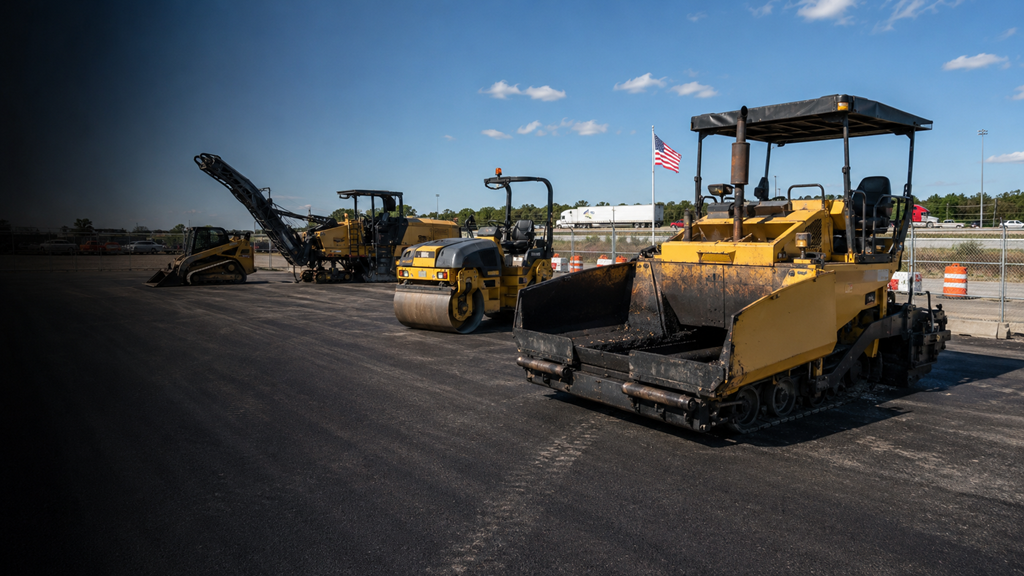 معدات الأسفلت والرصف المستعملة من الولايات المتحدة: الأسعار ودليل المشتري 2026اقرأ المزيد
دليل عملي للمشتري لمعدات الأسفلت والرصف المستعملة الموردة من الولايات المتحدة: ما هو متاح، ونطاقات الأسعار الحالية،...
-
 سعر ومواصفات مانيتو MT 1840 لعام 2026: دليلك الكامل للشراءاقرأ المزيد
في ظل الطفرة العمرانية والزراعية التي تشهدها منطقة الخليج وشمال أفريقيا عام 2026، أصبحت الرافعات التلسكوبية عنصرًا لا...
-
 The Complete Guide to Massey Ferguson 240: Price, Specifications, and Global Legacyاقرأ المزيد
Massey Ferguson 240 sits in that sweet spot between light chores and real farm work. It’s part of the MF 200 series,...
-
 شاحنة فورد ترانزيت الصندوقية للبيع: دليل شراء 2026 لأساطيل الأعمال الصغيرةاقرأ المزيد
منذ عقود، ارتبط اسم فورد ترانزيت بالثقة والاعتمادية في قطاع النقل والخدمات اللوجستية حول العالم. وفي عام 2026، ما...
-
 دليل شراء الشاحنات والحفارات في الدول العربية: الأسعار، النصائح، وأفضل الصفقاتاقرأ المزيد
في بيئة الأعمال المتسارعة في دول الخليج وشمال أفريقيا، يعد اختيار الشاحنة أو الحفارة المناسبة قراراً استراتيجياً يؤثر...
-
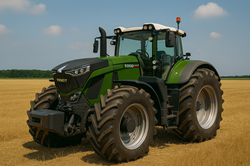 سعر ومواصفات جرار فندت 1050 فاريو 2026 – دليل الشراء الشاملاقرأ المزيد
في عالم الجرارات الزراعية ذات القدرة العالية، يبرز فندت 1050 فاريو كأحد أقوى وأحدث ما أنتجته التكنولوجيا الألمانية....
Blog categories
- قطع غيار السيارات (21) click
- قطع غيار الآلات الثقيلة والمعدات (6)
- قطع الغيار الأصلية مقابل قطع الغيار البديلة (1)
- نصائح الصيانة والإصلاح (0)
- توافق الأجزاء والمراجع المتبادلة (0)
- الاستدامة وإعادة التدوير (1)
- أخبار الصناعة والاتجاهات (2)
- أدلة المشتري والبائع (59)
- ترقيات الأداء والتعديلات (0)
- مراجعات ومقارنات المنتجات (1)
Search in blog
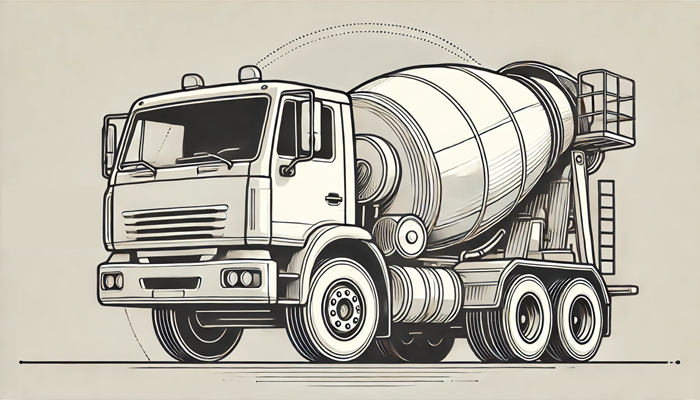
How to Choose the Right Cement Mixer Spare Parts
Cement mixers are indispensable in construction and industrial settings, ensuring efficient and consistent mixing of materials. Over time, wear and tear on mixer components can compromise their performance, leading to costly downtime and inefficiencies. Choosing the right spare parts is critical to maintaining the reliability and longevity of your equipment. This article delves into the common challenges and provides actionable solutions for selecting high-quality spare parts for cement mixers.
Understanding the Role of Spare Parts in Cement Mixers
Every cement mixer comprises critical components like mixing blades, drum liners, drive belts, and bearings that ensure smooth operation. However, these parts face constant exposure to abrasive materials, mechanical stress, and environmental factors. Identifying which parts wear out most often and knowing how to select replacements can save you from operational disruptions.
For instance, mixing blades play a pivotal role in ensuring material consistency. Damaged or worn blades can lead to uneven mixes, impacting the quality of your work. Similarly, drive belts that fail can bring operations to a halt, causing project delays. Understanding these nuances is the first step in making informed decisions when choosing spare parts.
Common Pain Points in Choosing Spare Parts
When it comes to sourcing spare parts for cement mixers, buyers often face the following challenges:
1. High Replacement Costs: Genuine OEM parts can be expensive, especially for high-end mixers. Many buyers struggle to balance quality and cost.
2. Compatibility Issues: Mismatched or ill-fitting parts can reduce equipment efficiency or even cause damage.
3. Counterfeit Parts: The market is flooded with low-quality imitations that fail prematurely, increasing maintenance costs.
4. Uncertainty About Material Durability: Lack of knowledge about material quality can lead to frequent part replacements.
These issues highlight the importance of careful selection and sourcing from reliable suppliers.
Key Factors to Consider When Choosing Spare Parts
1.Assess Compatibility with Your Equipment
Before purchasing, ensure that the spare parts are compatible with your mixer model. Compatibility goes beyond just size; it includes fit, functionality, and material alignment. Refer to your mixer’s manual or consult the manufacturer for part specifications. Many manufacturers provide detailed guides to match parts to specific models.
2.Choose Between OEM and Aftermarket Parts
Both OEM (Original Equipment Manufacturer) and aftermarket parts have their advantages:
- OEM Parts: These are designed specifically for your mixer, ensuring perfect fit and reliability. They often come with warranties, offering peace of mind. However, they can be more expensive and may have limited availability.
- Aftermarket Parts: While these are generally more affordable, quality varies greatly. Reputable aftermarket manufacturers can offer parts comparable to OEMs at a lower cost. Always check customer reviews and supplier certifications to verify quality.
3. Prioritize Material Quality
The durability of spare parts largely depends on the materials used:
- Mixing Blades and Drum Liners: Opt for parts made of high-chromium steel or wear-resistant alloys to withstand abrasion and impact.
- Drive Belts: Rubberized, high-tension belts are ideal for ensuring smooth power transmission and minimizing slippage.
- Bearings and Seals: Choose parts with corrosion-resistant coatings to extend lifespan in harsh conditions.
Understanding the environmental and operational demands of your mixer can guide you toward selecting materials that last.
How to Overcome Common Challenges
1. Reducing Costs Without Compromising Quality
While OEM parts are reliable, they are not always the most cost-effective. Consider certified aftermarket parts from trusted suppliers. Platforms like Ritchie Bros., IronPlanet, or industry-specific forums can provide access to high-quality parts at competitive prices. Negotiate bulk deals if you operate multiple mixers to lower overall costs.
2. Avoiding Counterfeit Products
Counterfeit parts are a growing issue in the spare parts market. These imitations may look genuine but often lack the durability and precision of the original. To avoid this pitfall:
- Purchase directly from manufacturers or their authorized dealers.
- Verify part numbers and supplier credentials.
- Look for quality certifications and customer reviews.
3. Ensuring Longevity
Investing in durable parts may cost more upfront but significantly reduces long-term expenses. For example, high-chromium steel drum liners might be pricier but can withstand abrasive materials far better than standard steel. This approach minimizes frequent replacements and downtime.
Maintenance as a Preventive Strategy
Choosing the right parts is only half the equation; proper maintenance is equally crucial. Implementing a proactive maintenance schedule can maximize the lifespan of your mixer and its components:
- Regular Cleaning: Cement residue can cause buildup, affecting part performance. Clean the mixer after every use.
- Lubrication: Apply high-quality lubricants to bearings and seals to reduce friction and prevent overheating.
- Inspection: Periodically check for wear and damage on critical components like blades, belts, and liners. Replace parts before failure occurs.
- Storage: Store spare parts in a dry, clean environment to prevent rust and degradation.
Leveraging Technology for Better Choices
The rise of IoT (Internet of Things) in construction equipment offers new ways to monitor and manage spare parts. Sensors can track the condition of mixer components in real-time, alerting you to wear or potential failures. This data-driven approach reduces guesswork and ensures timely replacements.
Case Studies: Lessons from Real-World Scenarios
- Case Study: Reducing Downtime A construction company using aftermarket drive belts faced frequent breakdowns. Switching to OEM belts resulted in a 30% reduction in downtime and improved project timelines.
- Case Study: Balancing Cost and Quality A small contractor saved 25% on blade replacements by sourcing certified aftermarket blades with similar performance to OEM products.
Choosing the right cement mixer spare parts is a critical decision that affects your equipment's performance, lifespan, and operating costs. By focusing on compatibility, material quality, and sourcing from reputable suppliers, you can overcome common challenges and ensure efficient operations. Coupled with regular maintenance, these strategies will keep your cement mixer running smoothly for years to come.
معدات ذات صلة معروضة للبيع على AGGZ
الأسئلة الشائعة
كم تكلفة قطع غيار المستعملة على AGGZ؟
تعتمد الأسعار على سنة الصنع وساعات التشغيل وحالة كل معدة. قارن الإعلانات المعروضة أعلاه لمعرفة الأسعار الحقيقية من البائعين، ثم تواصل مع البائع مباشرة.
ما الذي يجب فحصه عند شراء قطع غيار المستعملة؟
افحص سنة الصنع وساعات التشغيل أو المسافة المقطوعة وسجل الصيانة والحالة العامة. رتّب معاينة أو اطلب صوراً تفصيلية قبل أي دفع.
هل يمكنني شراء وتصدير قطع غيار المستعملة من تركيا والخارج؟
نعم. يقوم العديد من البائعين على AGGZ بالشحن دولياً. أكّد خيارات الشحن ووثائق التصدير وشروط الدفع مباشرة مع البائع قبل الشراء.
هل تبيع معدات مماثلة؟
اعرض معداتك على AGGZ وتواصل مع مشترين يبحثون عن قطع غيار والشاحنات وقطع الغيار والمعدات الصناعية.
Posted in:
قطع الغيار الأصلية مقابل قطع الغيار البديلة
Leave a comment