
A buyer's guide to used road rollers and compactors listed in Poland: what is available, current prices, what to...
Latest posts
-
 Used Road Rollers & Compactors in Poland: 2026 Prices & Buyer's GuideRead more
 -
 How to Import Used Construction Machinery from Abroad: 2026 Buyer's GuideRead more
A practical guide to importing used heavy equipment from abroad — sources, shipping options, customs, inspection, and...
-
 Caterpillar for Sale: Prices, Specs & Used Market Guide 2026Read more
A buyer's guide to used Caterpillar machines — the CAT 320-series excavators and road equipment, current price...
-
 Used Construction Machinery in the USA: 2026 Prices & Buyer's GuideRead more
A buyer's guide to used road construction and paving machinery from the USA — current price ranges, an inspection...
-
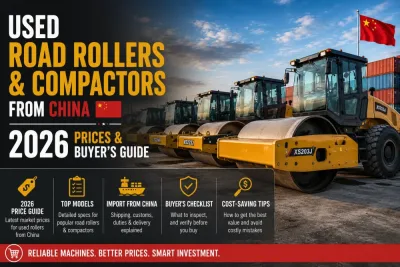 Used Road Rollers & Compactors from China: 2026 Prices & Buyer's GuideRead more
A buyer's guide to recent, low-hour used road rollers and compactors sourced from China — what is available, current...
-
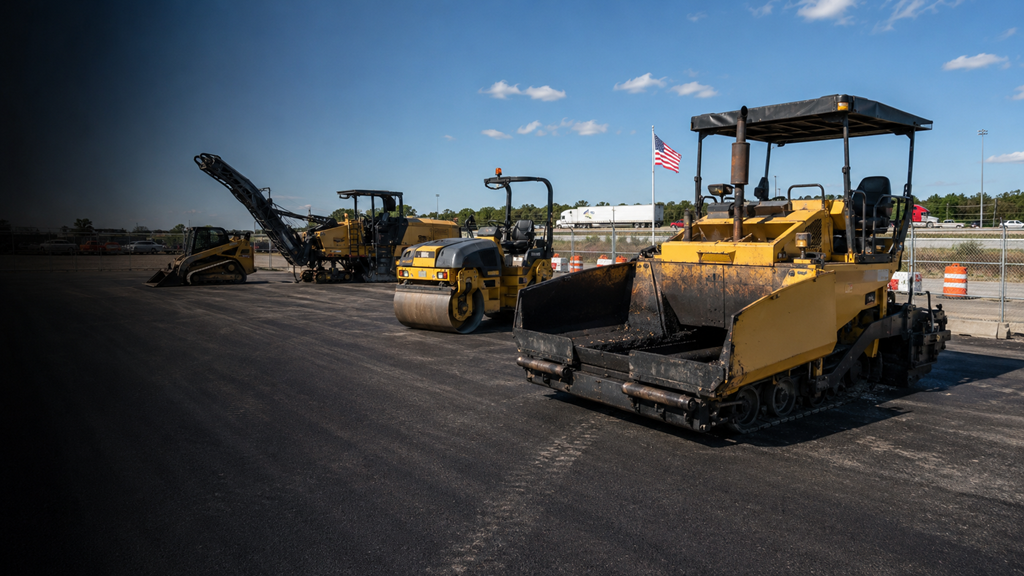 Used Asphalt & Paving Equipment in the USA: 2026 Prices & Buyer's GuideRead more
A practical buyer's guide to used asphalt and paving equipment sourced from the USA — what is available, current...
-
 Manitou MT 1840 Telehandler 2026: Current Prices, Specs, and Buyer’s GuideRead more
The Manitou MT 1840 has established itself as one of the most versatile and trusted telehandlers in the global...
-
 The Complete Guide to Massey Ferguson 240: Price, Specifications, and Global LegacyRead more
Massey Ferguson 240 sits in that sweet spot between light chores and real farm work. It’s part of the MF 200 series,...
-
 Ford Transit Box Truck for Sale: 2026 Buyer’s Guide for Small Business FleetsRead more
The Ford Transit box truck has long been a cornerstone of small business logistics, and in 2026 its position remains...
-
 The Ultimate Guide to Buying Trucks & Excavators: Prices, Deals, and Insights for Contractors in the USA, UK, Canada, and AustraliaRead more
For contractors, fleet managers, farmers, and construction companies, investing in the right trucks and excavators...
Blog categories
- Automotive Parts (21) click
- Heavy Machinery & Equipment Parts (6)
- OEM vs. Aftermarket Parts (1)
- Maintenance & Repair Tips (0)
- Parts Compatibility & Cross-Referencing (0)
- Sustainability & Recycling (1)
- Industry News & Trends (2)
- Buyer & Seller Guides (60)
- Performance Upgrades & Modifications (0)
- Product Reviews & Comparisons (1)
Search in blog
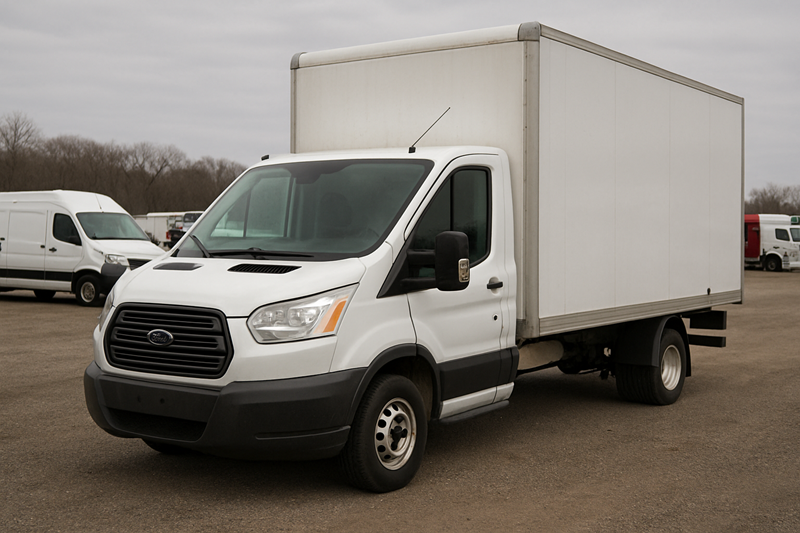
Ford Transit Box Truck for Sale: 2026 Buyer’s Guide for Small Business Fleets
The Ford Transit box truck has long been a cornerstone of small business logistics, and in 2026 its position remains as strong as ever. Whether it is a bakery delivering goods across town, a moving company managing daily hauls, or a catering service transporting equipment for large events, the Transit box truck continues to provide one of the most versatile and cost-effective solutions for light and medium-duty commercial use. Known for its adaptability, the Transit series has evolved to meet the challenges of modern urban environments and sustainability goals, offering gasoline, diesel, and now fully electric options. For small business owners weighing new investments in their fleets, understanding the features, costs, and practical advantages of the 2026 Ford Transit box truck is essential to making the right purchase decision.
Why the Ford Transit Box Truck Dominates the Small Business Market in 2026
Across the United States, the UK, and Canada, small businesses rely heavily on fleet vehicles that are durable, economical, and easy to service. The Ford Transit box truck dominates this market because it combines flexibility with proven reliability. While heavy-duty trucks may be excessive for delivery routes or local service businesses, the Transit offers just enough capacity to handle bulky loads without the operational costs of larger vehicles. Its cab-forward design improves visibility and maneuverability, making it suitable for congested city streets, while the customizable box configurations ensure that businesses can tailor the vehicle to their specific cargo needs.
In 2026, demand for last-mile delivery vehicles has only intensified, driven by the boom in e-commerce and urban logistics. Companies that once relied on vans are now transitioning to box trucks for greater cargo volume and payload efficiency. The Ford Transit, with its lower cost of ownership and broad dealer support network, represents a safer long-term investment than some of the newer, less established competitors.
Engine and Powertrain Choices for Diverse Business Needs
Ford has expanded its powertrain options to accommodate the wide spectrum of commercial applications. The 2026 Ford Transit box truck is available in several engine configurations. Traditional gasoline V6 models remain the most affordable entry point, offering straightforward maintenance and dependable performance for businesses that need predictable operating costs. For buyers requiring longer range and higher torque, the diesel option delivers improved fuel efficiency under heavy loads, making it ideal for moving companies or intercity delivery services.
The standout development in 2026, however, is the electric E-Transit box truck, which caters to businesses prioritizing lower emissions and long-term operating savings. With a range sufficient for most urban and regional routes, the E-Transit eliminates fuel expenses and reduces maintenance by avoiding components such as oil filters, exhaust systems, and traditional transmissions. Government incentives in North America and the UK further improve the cost-effectiveness of choosing electric, particularly for companies operating in low-emission zones.
Electric vs. Gas/Diesel: Which is Best for You?
Choosing between electric and traditional powertrains in 2026 comes down to operational profile. For businesses running short, predictable daily routes, such as bakeries, catering services, or local parcel delivery firms, the E-Transit presents clear advantages. A bakery in New York City, for example, integrated two E-Transit box trucks into its fleet and reported annual fuel and maintenance savings exceeding $7,000 per vehicle, while also gaining access to commercial EV tax credits.
By contrast, companies with longer, irregular routes or heavier payload requirements may find diesel still provides the best balance of range and performance. A Toronto-based furniture delivery company considered the E-Transit but chose the diesel-powered Transit box truck for its extended highway capability and ability to handle payloads approaching the maximum GVWR, all while navigating tight urban parking spaces.
For contractors, service providers, or small fleets that mix rural and urban routes, gasoline remains a middle ground. The gasoline V6 Transit offers lower upfront costs and flexible performance, though with higher lifetime fuel expenses compared to electric.
Ford Transit Box Truck Prices in the USA, UK, and Canada
Pricing in 2026 reflects both inflationary pressures and the increased demand for versatile fleet vehicles. In the United States, a new Ford Transit box truck equipped with the standard gasoline V6 typically lists between $44,000 and $52,000 USD, while diesel variants can exceed $55,000 USD depending on configuration. The fully electric E-Transit starts around $58,000 USD before incentives, though net costs may fall closer to $50,000 with federal and state rebates.
In the UK, the same box truck commands between £38,000 and £46,000 GBP, with the E-Transit starting near £49,000 GBP. Businesses operating in London benefit significantly from zero-emission exemptions in congestion charge zones, making the electric option increasingly attractive.
In Canada, where harsh winters demand durable vehicles, the Transit remains a staple. Prices for new gasoline-powered box trucks range between CAD $62,000 and $70,000, with diesel options closer to CAD $75,000. The E-Transit begins around CAD $78,000, though Canadian provincial rebates can reduce the purchase cost substantially.
Cost of Ownership and Financing Options
When assessing a Transit box truck purchase, small businesses must look beyond sticker price and account for total cost of ownership. Fuel, insurance, maintenance, depreciation, and financing shape the real cost picture. On average, gasoline Transit box trucks cost around $0.65–$0.75 USD per mile to operate in the U.S., while electric models reduce this to $0.40–$0.50 per mile thanks to lower fuel and service requirements.
Financing options in 2026 are also favorable for small businesses. Many Ford dealers offer lease-to-own structures that spread costs across predictable monthly payments. This allows businesses to preserve cash flow while upgrading fleets. For example, a catering company in Chicago secured two new E-Transit trucks under a three-year financing plan with maintenance included, enabling them to expand delivery capacity without straining working capital.
Resale value is another important consideration. Transit trucks generally retain a strong second-hand market presence due to brand recognition and parts availability. Electric models are still relatively new, but projections suggest that well-maintained E-Transits will hold value strongly in cities where EV adoption accelerates.
Fleet Management Advantages with Ford Telematics
Another critical feature of the 2026 Ford Transit lineup is its integration with Ford Telematics. This system provides real-time tracking of vehicle health, fuel efficiency, and driver behavior. For small businesses managing multiple vehicles, telematics offers tangible benefits: reduced downtime through predictive maintenance, better route planning for deliveries, and improved safety monitoring.
For instance, a logistics company in Manchester installed Ford Telematics across its Transit fleet and reported a 12% reduction in fuel consumption within six months due to optimized driving practices. In Toronto, a fleet manager used the system to schedule proactive maintenance, avoiding costly breakdowns during peak delivery periods.
The ability to combine telematics with electric powertrains creates even greater efficiency, as managers can track charging schedules, battery health, and range performance, ensuring the fleet is always ready for operation.
Real-World Buyer Scenarios
New York Bakery Using E-Transit
A family-owned bakery in Brooklyn invested in an E-Transit box truck in 2026. With predictable daily routes of under 60 miles, the electric model reduced their operational costs, improved brand image through eco-friendly deliveries, and allowed them to access green business grants.
Toronto Furniture Delivery Company
A mid-sized furniture retailer in Toronto faced challenges balancing payload capacity with urban restrictions. They chose a diesel-powered Transit box truck, which offered the torque needed for heavy furniture transport while still being compact enough for city deliveries.
UK Catering and Event Business
A catering company in Birmingham upgraded its fleet with two gasoline-powered Transit box trucks for event logistics. Their decision was based on lower upfront costs compared to electric models, paired with the ability to handle long rural routes where charging stations were scarce.
FAQs – Ford Transit Box Truck 2026
1. What is the cargo capacity of a Ford Transit box truck?
Depending on configuration, cargo volume ranges between 350–500 cubic feet, with payload capacities from 3,500 to 4,500 pounds.
2. How much is a new Ford Transit box truck in the U.S.?
Expect prices between $44,000 and $55,000 for gasoline and diesel models, with the E-Transit starting at $58,000 before incentives.
3. Is the electric E-Transit worth it for urban businesses?
Yes, especially for predictable routes under 100 miles daily. Lower fuel and maintenance costs provide strong long-term savings.
4. How long does a Ford Transit box truck typically last?
Well-maintained units can last 200,000–250,000 miles, or roughly 12–15 years in commercial use.
5. What safety features are included in 2026 models?
Standard features include adaptive cruise control, lane-keeping assist, collision mitigation, and blind-spot monitoring.
6. Can I finance a Ford Transit box truck?
Yes, most dealers offer flexible financing, including lease-to-own programs designed for small businesses.
7. How does the Transit compare to competitors like the Mercedes-Benz Sprinter?
The Transit often offers lower upfront costs, better dealer coverage in North America, and a broader selection of configurations.
8. Are parts and service easily available?
Yes, Ford’s global dealer network ensures wide availability of parts and qualified service technicians.
9. What is the expected resale value of a Transit box truck?
Resale values remain strong, with well-maintained units retaining 50–60% of their value after five years.
10. Can I use the E-Transit in cold climates?
Yes, but range can decrease by up to 20% in extreme cold, so businesses in Canada should plan charging schedules accordingly.
Related equipment for sale on AGGZ
| Machine | Year | Location | Price | |
|---|---|---|---|---|
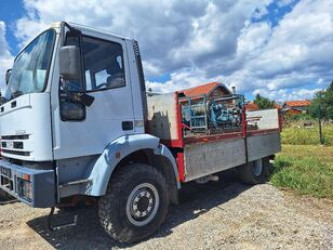 1997 IVECO 95E21 WINCH flatbed truck - 625 HP - Croatia
|
1997 | Croatia | $15,500.00 | View |
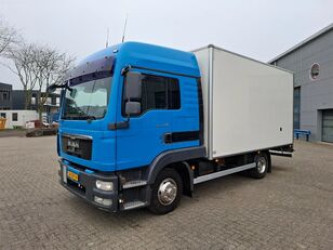 2009 MAN TGL8.220 / NL TRUCK / TUV:20-10-2026 / ONLY:474226 KM / CLEAN TR box truck - 220 HP - Netherlands
|
2009 | Netherlands | $11,500.00 | View |
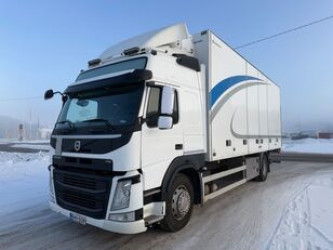 2014 Volvo FM330 4x2 E6 Carrier-cooler 7.7m box refrigerated truck - 330 HP - Finland
|
2014 | Finland | $18,900.00 | View |
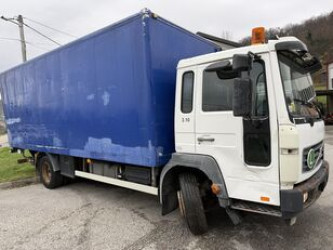 2003 Volvo FL 220 box truck - 245 HP - Croatia
|
2003 | Croatia | $3,000.00 | View |
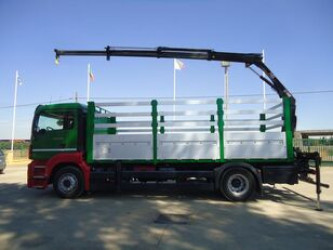 2010 MAN TGM 18 290 Flatbed Truck with Hiab 066 Crane - 331 HP - Spain
|
2010 | Spain | — | View |
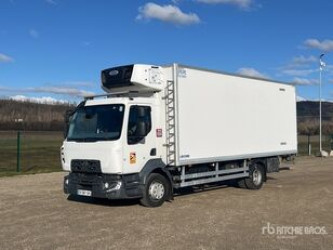 2018 Renault D12 refrigerated truck - France
|
2018 | France | — | View |
Frequently asked questions
How much does used Trucks cost on AGGZ?
Prices depend on the year, operating hours and condition of each machine. Compare the current listings above to see real prices from sellers, then contact the seller directly.
What should I check when buying used Trucks?
Check the year of manufacture, operating hours or mileage, service and maintenance history, and overall condition. Arrange an inspection or request detailed photos before any payment.
Can I buy and export used Trucks from Turkey and abroad?
Yes. Many sellers on AGGZ ship internationally. Confirm shipping options, export documentation and payment terms directly with the seller before you buy.
Selling similar equipment?
List your machinery on AGGZ and reach buyers searching for Trucks, trucks, spare parts and industrial equipment.
Posted in:
Buyer & Seller Guides
Related posts
-
Used Road Rollers & Compactors in Poland: 2026 Prices & Buyer's Guide
A buyer's guide to used road rollers and compactors listed in Poland: what is available, current prices, what to...Read more
-
How to Import Used Construction Machinery from Abroad: 2026 Buyer's Guide
A practical guide to importing used heavy equipment from abroad — sources, shipping options, customs, inspection, and...Read more
-
Caterpillar for Sale: Prices, Specs & Used Market Guide 2026
A buyer's guide to used Caterpillar machines — the CAT 320-series excavators and road equipment, current price...Read more
-
Used Construction Machinery in the USA: 2026 Prices & Buyer's Guide
A buyer's guide to used road construction and paving machinery from the USA — current price ranges, an inspection...Read more
-
Used Road Rollers & Compactors from China: 2026 Prices & Buyer's Guide
A buyer's guide to recent, low-hour used road rollers and compactors sourced from China — what is available, current...Read more
Leave a comment