
A practical guide to importing used heavy equipment from abroad — sources, shipping options, customs, inspection, and...
Latest posts
-
 How to Import Used Construction Machinery from Abroad: 2026 Buyer's GuideRead more
 -
 Caterpillar for Sale: Prices, Specs & Used Market Guide 2026Read more
A buyer's guide to used Caterpillar machines — the CAT 320-series excavators and road equipment, current price...
-
 Used Construction Machinery in the USA: 2026 Prices & Buyer's GuideRead more
A buyer's guide to used road construction and paving machinery from the USA — current price ranges, an inspection...
-
 Used Road Rollers & Compactors from China: 2026 Prices & Buyer's GuideRead more
A buyer's guide to recent, low-hour used road rollers and compactors sourced from China — what is available, current...
-
 Used Asphalt & Paving Equipment in the USA: 2026 Prices & Buyer's GuideRead more
A practical buyer's guide to used asphalt and paving equipment sourced from the USA — what is available, current...
-
 Manitou MT 1840 Telehandler 2026: Current Prices, Specs, and Buyer’s GuideRead more
The Manitou MT 1840 has established itself as one of the most versatile and trusted telehandlers in the global...
-
 The Complete Guide to Massey Ferguson 240: Price, Specifications, and Global LegacyRead more
Massey Ferguson 240 sits in that sweet spot between light chores and real farm work. It’s part of the MF 200 series,...
-
 Ford Transit Box Truck for Sale: 2026 Buyer’s Guide for Small Business FleetsRead more
The Ford Transit box truck has long been a cornerstone of small business logistics, and in 2026 its position remains...
-
 The Ultimate Guide to Buying Trucks & Excavators: Prices, Deals, and Insights for Contractors in the USA, UK, Canada, and AustraliaRead more
For contractors, fleet managers, farmers, and construction companies, investing in the right trucks and excavators...
-
 Fendt 1050 Vario Price 2026 & Full Specs: The Ultimate Buyer’s GuideRead more
In the world of high-horsepower agricultural machinery, few names carry as much weight as the Fendt 1050 Vario. Known...
Blog categories
- Automotive Parts (21) click
- Heavy Machinery & Equipment Parts (6)
- OEM vs. Aftermarket Parts (1)
- Maintenance & Repair Tips (0)
- Parts Compatibility & Cross-Referencing (0)
- Sustainability & Recycling (1)
- Industry News & Trends (2)
- Buyer & Seller Guides (59)
- Performance Upgrades & Modifications (0)
- Product Reviews & Comparisons (1)
Search in blog
How to Protect Your Small Business from Scams
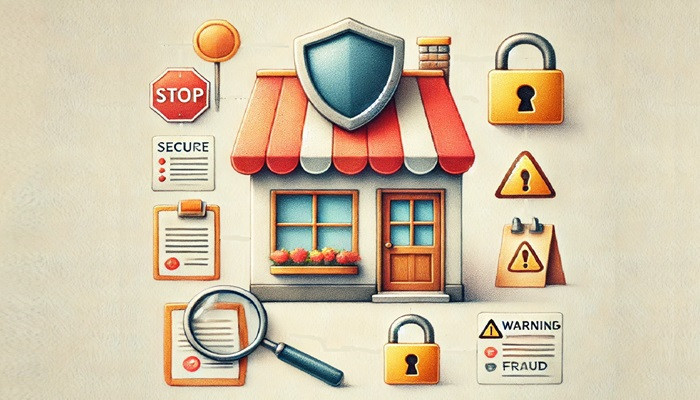
Small businesses are vital to the economy, yet they face unique challenges, including the risk of scams. These deceptive practices can harm your reputation and your bottom line. This comprehensive guide will help U.S.-based small businesses recognize scammers’ tactics, identify common scams, and take actionable steps to protect their operations.
Understanding Scammers’ Tactics
To effectively combat scams, it’s crucial to understand the common strategies scammers use to exploit businesses:
-
Impersonation
Scammers may pose as government agencies, utility companies, or trusted vendors. For example, they might claim to be the IRS or a supplier and demand immediate payment to avoid penalties or service interruptions. Always verify the identity of anyone requesting payments or sensitive information. -
Creating Urgency
By creating a false sense of emergency, scammers pressure you into making hasty decisions. Examples include threats to suspend business licenses or utility services. Always take the time to investigate such claims thoroughly. -
Untraceable Payment Requests
Scammers often demand payments through methods like wire transfers, cryptocurrency, or gift cards. These methods are difficult to trace and almost impossible to recover. Treat such requests as red flags.
How to Protect Your Small Business
1. Educate Your Team
Your employees are your first line of defense. Teach them to:
- Avoid sharing sensitive information, like passwords or account details, through email or phone.
- Verify all payment requests, even those that appear to come from management or trusted sources.
Actionable Resource: Order free brochures from the FTC Bulk Order page to distribute during staff training sessions.
2. Verify Invoices and Payments
Scammers often send fake invoices hoping they’ll be processed unnoticed. Protect your business by:
- Establishing a clear approval process for all purchases and payments.
- Training staff to identify unusual payment requests, especially those involving wire transfers or gift cards.
3. Strengthen Cybersecurity
Cyber scams are among the most damaging threats to small businesses. To safeguard your operations:
- Use strong, unique passwords for all accounts and enable two-factor authentication.
- Educate employees about phishing emails and fake websites. Suspicious emails often contain urgent language, misspelled URLs, or unexpected attachments.
Additional Resource: Learn more at FTC Cybersecurity for Small Business.
Common Scams Targeting Small Businesses
-
Fake Invoices
Scammers send fraudulent invoices for goods or services you never ordered, hoping they’ll be paid without question.
How to Handle: Cross-check invoices with purchase orders and contact the supplier directly to verify authenticity. -
Online Listing Scams
A scammer may offer a “free” business listing or advertising opportunity, then send an inflated bill later.
How to Handle: Stick to verified platforms for advertising and thoroughly research any third-party offers. -
Government Impersonation Scams
Scammers may pose as officials from agencies like the IRS, demanding immediate payment for supposed tax debts or license renewals.
How to Handle: Contact the relevant agency directly using verified contact details to confirm the legitimacy of the claim. -
Tech Support Scams
Scammers might claim there’s a critical issue with your IT systems and offer to “fix” the problem for a fee.
How to Handle: Avoid giving remote access to anyone unless you have verified their identity. Consult your IT department or a trusted provider for assistance.
Cyber Threats and Ransomware
Cyber scams are increasingly sophisticated. Here are the most common threats and ways to protect your business:
-
Phishing Emails
These emails trick employees into clicking malicious links or sharing sensitive information. Train your team to recognize red flags, such as generic greetings and unfamiliar sender addresses. -
Ransomware
Malware that locks your files and demands a ransom for their release. Protect your business by:- Keeping software updated.
- Regularly backing up your data to secure locations.
-
Social Engineering Attacks
Scammers may impersonate senior employees or trusted contacts to extract sensitive information. Encourage employees to verify any unusual requests through a separate communication channel.
Other Scams to Watch Out For
-
Business Coaching Scams
Scammers may sell overpriced “proven success” programs, promising high returns but delivering little value.
Tip: Research coaching programs thoroughly and avoid paying large upfront fees. -
Fake Check Scams
Scammers send checks that appear valid but later bounce, asking you to send the “extra” money back.
Tip: Wait until checks fully clear before issuing refunds or making payments. -
Unnecessary Services
Scammers may claim you need to pay for compliance posters or credit report services.
Tip: Check with official sources like the U.S. Department of Labor for free compliance resources.
What to Do If You Encounter a Scam
-
Report It
- File a complaint at ReportFraud.ftc.gov.
- Notify your state Attorney General. Find contact information at NAAG.org.
-
Spread Awareness
Share your experiences with other business owners to help prevent further scams.
Building a Scam-Safe Culture
Your best defense against scams is a well-informed team. Regularly discuss scam prevention, share resources like FTC brochures, and encourage open communication. By fostering a culture of vigilance, you can minimize risks and keep your business safe.
Final Thoughts
Protecting your small business from scams requires awareness, preparation, and proactive measures. By staying informed and educating your employees, you can safeguard your operations and continue to thrive. For more information and tools, visit FTC Small Business Resources and subscribe to the FTC Business Blog.
Selling equipment like this?
List it on AGGZ and reach buyers reading guides like this and searching for used machinery.
Posted in:
Buyer & Seller Guides
Related posts
-
How to Import Used Construction Machinery from Abroad: 2026 Buyer's Guide
A practical guide to importing used heavy equipment from abroad — sources, shipping options, customs, inspection, and...Read more
-
Caterpillar for Sale: Prices, Specs & Used Market Guide 2026
A buyer's guide to used Caterpillar machines — the CAT 320-series excavators and road equipment, current price...Read more
-
Used Construction Machinery in the USA: 2026 Prices & Buyer's Guide
A buyer's guide to used road construction and paving machinery from the USA — current price ranges, an inspection...Read more
-
Used Road Rollers & Compactors from China: 2026 Prices & Buyer's Guide
A buyer's guide to recent, low-hour used road rollers and compactors sourced from China — what is available, current...Read more
-
Used Asphalt & Paving Equipment in the USA: 2026 Prices & Buyer's Guide
A practical buyer's guide to used asphalt and paving equipment sourced from the USA — what is available, current...Read more
Leave a comment