
A practical guide to importing used heavy equipment from abroad — sources, shipping options, customs, inspection, and...
Latest posts
-
 How to Import Used Construction Machinery from Abroad: 2026 Buyer's GuideRead more
 -
 Caterpillar for Sale: Prices, Specs & Used Market Guide 2026Read more
A buyer's guide to used Caterpillar machines — the CAT 320-series excavators and road equipment, current price...
-
 Used Construction Machinery in the USA: 2026 Prices & Buyer's GuideRead more
A buyer's guide to used road construction and paving machinery from the USA — current price ranges, an inspection...
-
 Used Road Rollers & Compactors from China: 2026 Prices & Buyer's GuideRead more
A buyer's guide to recent, low-hour used road rollers and compactors sourced from China — what is available, current...
-
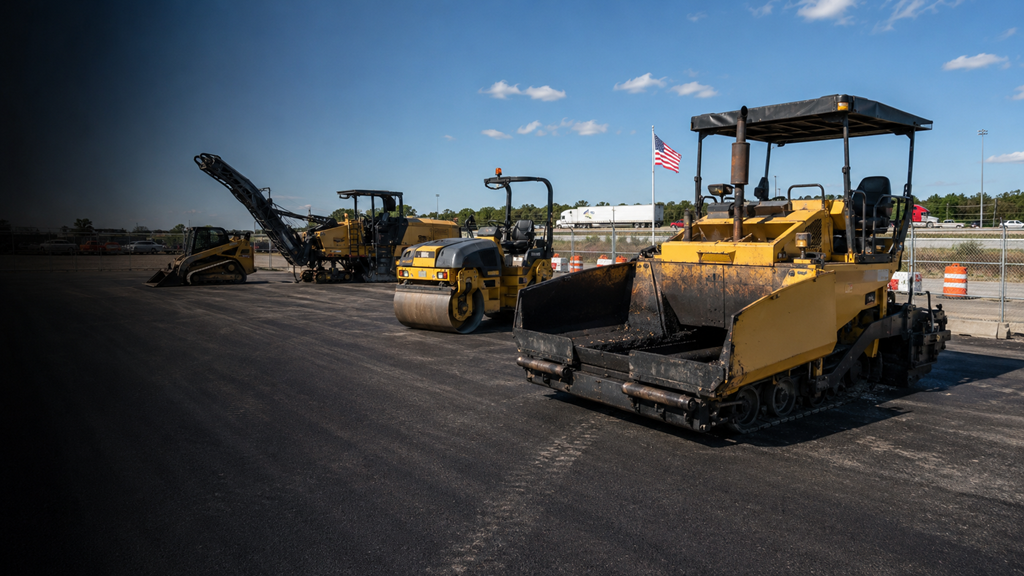 Used Asphalt & Paving Equipment in the USA: 2026 Prices & Buyer's GuideRead more
A practical buyer's guide to used asphalt and paving equipment sourced from the USA — what is available, current...
-
 Manitou MT 1840 Telehandler 2026: Current Prices, Specs, and Buyer’s GuideRead more
The Manitou MT 1840 has established itself as one of the most versatile and trusted telehandlers in the global...
-
 The Complete Guide to Massey Ferguson 240: Price, Specifications, and Global LegacyRead more
Massey Ferguson 240 sits in that sweet spot between light chores and real farm work. It’s part of the MF 200 series,...
-
 Ford Transit Box Truck for Sale: 2026 Buyer’s Guide for Small Business FleetsRead more
The Ford Transit box truck has long been a cornerstone of small business logistics, and in 2026 its position remains...
-
 The Ultimate Guide to Buying Trucks & Excavators: Prices, Deals, and Insights for Contractors in the USA, UK, Canada, and AustraliaRead more
For contractors, fleet managers, farmers, and construction companies, investing in the right trucks and excavators...
-
 Fendt 1050 Vario Price 2026 & Full Specs: The Ultimate Buyer’s GuideRead more
In the world of high-horsepower agricultural machinery, few names carry as much weight as the Fendt 1050 Vario. Known...
Blog categories
- Automotive Parts (21) click
- Heavy Machinery & Equipment Parts (6)
- OEM vs. Aftermarket Parts (1)
- Maintenance & Repair Tips (0)
- Parts Compatibility & Cross-Referencing (0)
- Sustainability & Recycling (1)
- Industry News & Trends (2)
- Buyer & Seller Guides (59)
- Performance Upgrades & Modifications (0)
- Product Reviews & Comparisons (1)
Search in blog
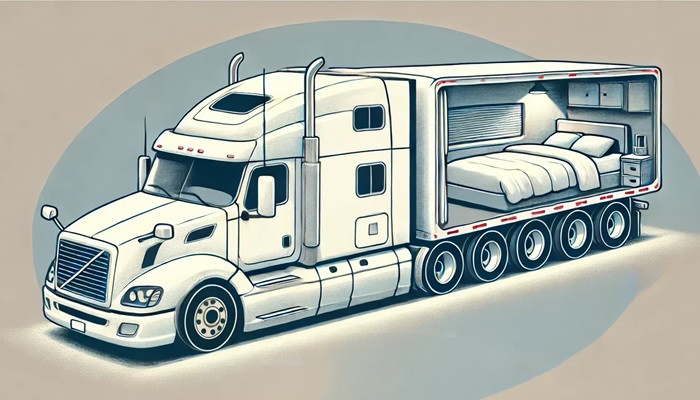
Choosing the Best Car Transport Trailers for Sale
Importance of a Reliable Car Transport Trailer
Transporting vehicles requires careful planning and the right equipment to ensure safety, efficiency, and reliability. Whether for personal use, commercial purposes, or specialized vehicle hauling, a car transport trailer is a valuable investment. Choosing the right trailer can save you time, reduce operational costs, and protect the vehicles being transported. In this guide, we explore the factors that make a trailer reliable, the essential features to consider, where to find the best deals, and how to make a wise investment.
Key Features to Consider When Choosing a Car Transport Trailer
1. Types of Car Transport Trailers
Car transport trailers come in different configurations to suit various needs. Choosing the right type depends on your specific requirements:
- Open Car Trailers
- Pros: Cost-effective, lightweight, and suitable for short- to medium-distance transport.
- Cons: Exposes vehicles to weather elements, road debris, and theft risks.
- Ideal For: Moving standard vehicles or transporting multiple cars at once.
- Typical Price Range: $1,500 to $5,000 depending on size and features.
- Enclosed Car Trailers
- Pros: Offers complete protection from the weather, dust, and road debris.
- Cons: Heavier, more expensive, and requires more towing capacity.
- Ideal For: High-value vehicles such as luxury, classic, or sports cars.
- Typical Price Range: $5,000 to $20,000 depending on customization.
- Gooseneck Trailers
- Features: These trailers attach to a hitch in the bed of the towing truck, offering better stability and weight distribution.
- Ideal For: Commercial haulers transporting multiple vehicles long distances.
- Tilt Deck Trailers
- Features: The trailer bed tilts for easier loading and unloading.
- Ideal For: Vehicles with low ground clearance, such as sports cars.
2. Material and Build Quality
- Steel Trailers
- Pros: Durable and affordable.
- Cons: Prone to rust and requires regular maintenance.
- Aluminum Trailers
- Pros: Lightweight, corrosion-resistant, and requires less towing power.
- Cons: Higher upfront cost but offers long-term savings due to low maintenance.
Choose the material based on your hauling needs and your climate (e.g., aluminum is better for wet or coastal areas).
3. Load Capacity and Weight Rating
- Payload Capacity:
Consider the Gross Vehicle Weight Rating (GVWR) of the trailer. This includes the weight of the trailer and the vehicles being transported. For instance:- A trailer with a GVWR of 7,000 lbs can typically carry a payload of around 5,000 lbs.
- A GVWR of 12,000 lbs is ideal for heavy-duty use.
- Axles:
Trailers may have single or multiple axles:- Single Axle: Suitable for lighter loads and short distances.
- Tandem Axle: Better stability and weight distribution for heavy loads.
4. Dimensions and Space
The trailer’s size should match your needs:
- Standard Dimensions: Most trailers are 8.5 feet wide and vary in length (16, 20, or 24 feet).
- Vehicle Fit: If you plan to transport larger SUVs or trucks, ensure the trailer is wide and long enough to accommodate them.
- Height Clearance: Enclosed trailers should offer sufficient height clearance for taller vehicles.
5. Loading Mechanism and Accessibility
- Ramps: Look for durable, anti-slip ramps for easy loading.
- Hydraulic Lifts: Advanced trailers may include hydraulic systems for effortless loading.
- Winches: Helpful for loading inoperable vehicles.
6. Braking and Suspension Systems
- Braking Systems: Electric brakes are standard and ensure the trailer stops safely under load. Some trailers also offer surge brakes.
- Suspension: Quality suspension systems (e.g., torsion axles) reduce vibration and improve ride quality for the vehicles being transported.
Where to Find Deals on Car Transport Trailers
1. Local Dealerships
Visiting local trailer dealerships allows you to:
- Inspect the trailer in person.
- Ask questions about warranties, maintenance, and financing options.
2. Manufacturer Direct Sales
Some manufacturers sell directly to consumers. Advantages include:
- Customization options.
- Potential cost savings by bypassing third-party retailers.
3. Online Platforms
- Dedicated Retailers: Websites like TrailerTrader.com or Pro-Line Trailers list new and used trailers.
- Marketplace Platforms: eBay Motors, Craigslist, and Facebook Marketplace often have used trailers.
4. Auctions and Government Sales
Occasionally, car transport trailers are available at government auctions or liquidation sales, offering significant discounts.
5. Trade Shows
Attending trade shows can help you compare features and prices directly from multiple manufacturers.
Making a Wise Investment: Tips for Buyers
1. Determine Your Needs
Before purchasing:
- Assess the type of vehicles you’ll be transporting.
- Calculate your typical load weight and frequency of use.
2. Set a Budget
Consider upfront costs, maintenance, and operational expenses like towing vehicle requirements.
3. Inspect Before Buying
For used trailers:
- Check for signs of rust, wear, or structural damage.
- Test brakes, suspension, and lighting systems.
4. Verify Compliance
Ensure the trailer meets local Department of Transportation (DOT) regulations, especially for commercial use.
5. Consider Resale Value
Trailers from reputable manufacturers often retain their value, making them a better investment.
Making an Informed Choice
Choosing the best car transport trailer requires careful consideration of your specific needs, from type and material to load capacity and additional features. By researching thoroughly, inspecting trailers before purchase, and shopping through reputable channels, you can make a wise investment that serves you for years to come. Whether you’re a business owner or an individual, selecting the right trailer is key to ensuring safe and efficient vehicle transportation.
Selling equipment like this?
List it on AGGZ and reach buyers reading guides like this and searching for used machinery.
Posted in:
Buyer & Seller Guides
Related posts
-
How to Import Used Construction Machinery from Abroad: 2026 Buyer's Guide
A practical guide to importing used heavy equipment from abroad — sources, shipping options, customs, inspection, and...Read more
-
Caterpillar for Sale: Prices, Specs & Used Market Guide 2026
A buyer's guide to used Caterpillar machines — the CAT 320-series excavators and road equipment, current price...Read more
-
Used Construction Machinery in the USA: 2026 Prices & Buyer's Guide
A buyer's guide to used road construction and paving machinery from the USA — current price ranges, an inspection...Read more
-
Used Road Rollers & Compactors from China: 2026 Prices & Buyer's Guide
A buyer's guide to recent, low-hour used road rollers and compactors sourced from China — what is available, current...Read more
-
Used Asphalt & Paving Equipment in the USA: 2026 Prices & Buyer's Guide
A practical buyer's guide to used asphalt and paving equipment sourced from the USA — what is available, current...Read more
Leave a comment