
A buyer's guide to used road rollers and compactors listed in Poland: what is available, current prices, what to...
Latest posts
-
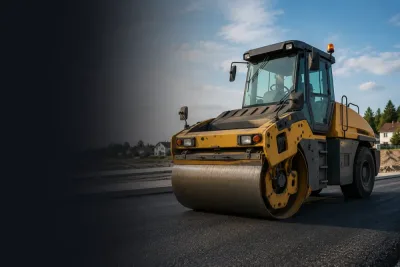 Used Road Rollers & Compactors in Poland: 2026 Prices & Buyer's GuideRead more
 -
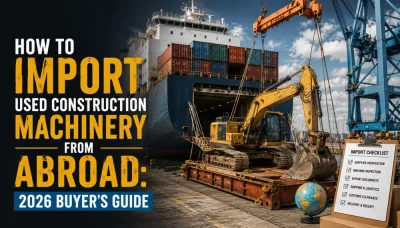 How to Import Used Construction Machinery from Abroad: 2026 Buyer's GuideRead more
A practical guide to importing used heavy equipment from abroad — sources, shipping options, customs, inspection, and...
-
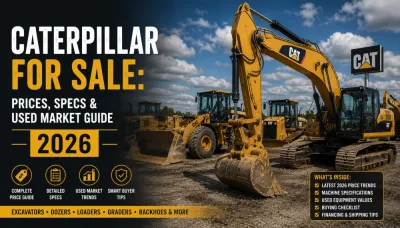 Caterpillar for Sale: Prices, Specs & Used Market Guide 2026Read more
A buyer's guide to used Caterpillar machines — the CAT 320-series excavators and road equipment, current price...
-
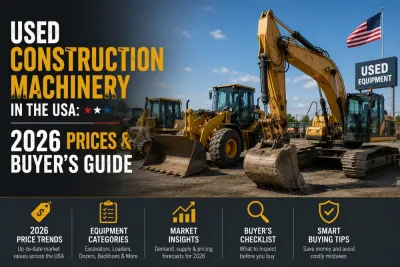 Used Construction Machinery in the USA: 2026 Prices & Buyer's GuideRead more
A buyer's guide to used road construction and paving machinery from the USA — current price ranges, an inspection...
-
 Used Road Rollers & Compactors from China: 2026 Prices & Buyer's GuideRead more
A buyer's guide to recent, low-hour used road rollers and compactors sourced from China — what is available, current...
-
 Used Asphalt & Paving Equipment in the USA: 2026 Prices & Buyer's GuideRead more
A practical buyer's guide to used asphalt and paving equipment sourced from the USA — what is available, current...
-
 Manitou MT 1840 Telehandler 2026: Current Prices, Specs, and Buyer’s GuideRead more
The Manitou MT 1840 has established itself as one of the most versatile and trusted telehandlers in the global...
-
 The Complete Guide to Massey Ferguson 240: Price, Specifications, and Global LegacyRead more
Massey Ferguson 240 sits in that sweet spot between light chores and real farm work. It’s part of the MF 200 series,...
-
 Ford Transit Box Truck for Sale: 2026 Buyer’s Guide for Small Business FleetsRead more
The Ford Transit box truck has long been a cornerstone of small business logistics, and in 2026 its position remains...
-
 The Ultimate Guide to Buying Trucks & Excavators: Prices, Deals, and Insights for Contractors in the USA, UK, Canada, and AustraliaRead more
For contractors, fleet managers, farmers, and construction companies, investing in the right trucks and excavators...
Blog categories
- Automotive Parts (21) click
- Heavy Machinery & Equipment Parts (6)
- OEM vs. Aftermarket Parts (1)
- Maintenance & Repair Tips (0)
- Parts Compatibility & Cross-Referencing (0)
- Sustainability & Recycling (1)
- Industry News & Trends (2)
- Buyer & Seller Guides (60)
- Performance Upgrades & Modifications (0)
- Product Reviews & Comparisons (1)
Search in blog
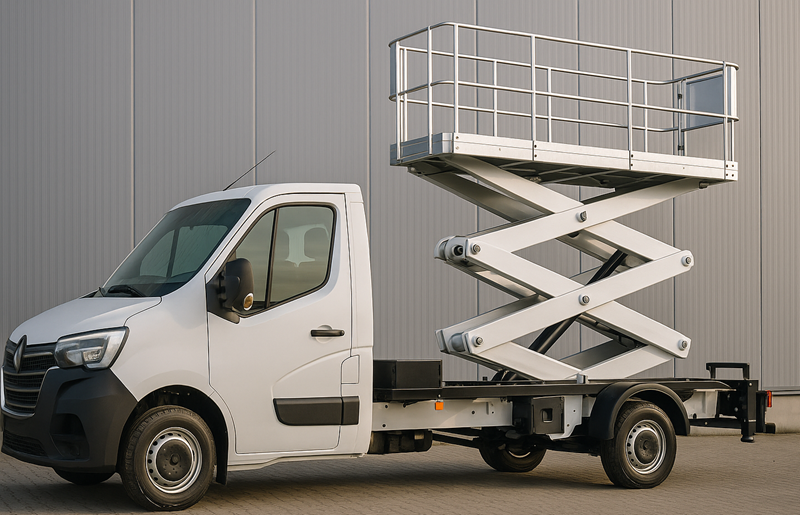
Mobile Elevators for Sale: 2026 Buyer’s Guide for Construction and Industrial Use
In 2026, mobile elevators have become indispensable in the modern construction and industrial landscape. As vertical access demands grow in complexity across sectors from urban high-rise projects to expansive warehouse facilities companies are turning to flexible lifting solutions that balance safety, performance, and cost-efficiency. Whether it’s installing HVAC systems on a 12-meter ceiling or navigating a dense maintenance schedule in a logistics center, mobile elevators fill the gap where ladders, scaffolding, and fixed platforms fall short. What once was a niche tool for specialty work is now a cornerstone of everyday operations for construction firms, rental businesses, manufacturing plants, and facilities management teams.
Today’s mobile elevator market is diversified and highly specialized. There’s no one-size-fits-all model, and understanding the nuances between the available types is key to making the right investment. Scissor lifts, known for their vertical lifting strength and platform stability, are commonly deployed in electrical installation, drywall hanging, and warehouse racking work. Boom lifts, on the other hand, offer extended outreach and articulation, allowing operators to navigate over obstacles, making them ideal for exterior construction, signage, and building maintenance. Vertical mast lifts provide compact maneuverability with vertical precision, often used in indoor maintenance or retail spaces. Meanwhile, towable or trailer-mounted lifts offer convenient mobility for job sites where transporting heavy equipment isn’t feasible with standard trucks or trailers.
Pricing for mobile elevators in 2026 is influenced by a number of technical and logistical factors. The first and most apparent is platform height machines that can reach over 60 feet are naturally more expensive than those with a 19-foot reach. Load capacity is another consideration; a lift rated for 800 lbs will cost significantly more than one intended for light-duty operations. Power source adds a third layer of complexity. Diesel models dominate outdoor construction due to their high torque and endurance, while electric versions are preferred indoors for their quiet operation and zero emissions. Hybrid units, although more expensive upfront, are increasingly seen as a long-term investment, combining indoor-outdoor usability with energy efficiency. Brand reputation and country of manufacture also influence cost. European and North American brands tend to carry a premium due to stricter compliance standards and superior build quality.
Several well-established manufacturers dominate the mobile elevator space, each bringing unique advantages to different market segments. Genie and JLG are considered industry gold standards in North America, both offering robust fleets of scissor and boom lifts with strong dealer and service networks. Skyjack is favored for its ease of maintenance and cost-effective pricing, making it a popular choice for rental companies. French brand Haulotte continues to gain ground globally with a range of reliable electric lifts and smart diagnostics systems. In terms of pricing, a new 19-ft electric scissor lift from a top-tier brand in 2026 typically costs between $11,000 and $14,000. Larger boom lifts capable of 60-80 ft reach can range from $60,000 to well over $100,000, depending on specs and accessories. Used equipment, assuming proper maintenance records and low usage hours, can offer 30-50% savings and are widely available in dealer networks and auction platforms.
For businesses weighing the pros and cons of purchasing a mobile elevator, several key considerations emerge. Compliance is non-negotiable; machines must meet ANSI A92.20 and OSHA standards, especially when used on U.S. construction sites. Warranty coverage both standard and extended can significantly affect long-term cost of ownership, particularly for components like drive systems, hydraulic pumps, and batteries. A strong dealer support network is another crucial factor. Quick access to parts, service technicians, and on-site support can reduce downtime and protect productivity. Companies should also assess how frequently the lift will be used, and over what duration. In some cases, renting a mobile elevator for seasonal or short-term work might be more cost-effective. However, frequent or ongoing usage usually justifies a purchase, especially when factoring in ROI over a 3-to-5 year equipment lifecycle.
Lastly, understanding the context of usage indoor vs. outdoor, urban vs. remote site, paved vs. uneven terrain will influence decisions around tire type, drive configuration (2WD vs. 4WD), and overall machine dimensions. In tight warehouse environments, for example, a compact mast lift with a tight turning radius and non-marking tires may outperform a traditional scissor lift, both in function and maneuverability. In contrast, a rugged terrain boom lift with rough-terrain tires and stabilizers is better suited to off-grid construction or utility work in rural areas.
Frequently Asked Questions: Mobile Elevators in 2026
What’s the average cost of a mobile elevator in 2026?
Depending on type, height, and power source, a mobile elevator can cost anywhere from $11,000 for a basic electric scissor lift to over $150,000 for high-capacity diesel articulating boom lifts. Mid-range lifts with moderate reach typically land between $20,000 and $60,000. Used units offer significant savings, often priced at 60-70% of the original MSRP.
Are electric mobile lifts suitable for outdoor work?
Electric lifts have made serious gains in outdoor functionality thanks to improvements in battery life, torque delivery, and waterproofing. Many modern electric scissor and mast lifts are rated for light to moderate outdoor use, especially on paved or semi-even surfaces. However, for heavy-duty outdoor work involving elevation or rough terrain, diesel or hybrid lifts are usually the safer and more reliable choice.
What’s the difference between scissor lifts and vertical mast lifts?
Scissor lifts are better suited for heavier loads and wider platforms, making them ideal for multi-person teams working simultaneously on mechanical, electrical, or finishing jobs. Mast lifts are more compact, with limited load capacity, but excel in navigating tight aisles and confined indoor environments. They’re commonly used in retail maintenance, hotel facilities, and hospitals.
Can mobile elevators be used in tight warehouse spaces?
Absolutely, but the choice of lift is crucial. Vertical mast lifts and compact electric scissor lifts are designed specifically for narrow warehouse aisles. Features like zero-turn steering, low ground clearance, and compact chassis dimensions make them ideal for logistics centers and industrial storage facilities with tight maneuvering space.
How do I verify used lift condition before buying?
Inspection is everything when buying used. Start with service logs, then check lift hours (similar to mileage in cars). A third-party inspection or OEM-certified assessment is highly recommended. Pay attention to hydraulic fluid condition, tire wear, weld integrity, and battery age if it’s an electric unit. Functional tests of lift/lower cycles and emergency stop systems are also essential.
What regulations apply in the U.S. for safe usage?
In the U.S., OSHA mandates specific safety protocols for aerial work platforms, including operator certification and equipment that complies with ANSI A92 standards. As of 2026, manufacturers must meet ANSI A92.20 for design, while users must conform to A92.22 (safe use) and A92.24 (training). Failure to comply can result in fines or insurance issues in the event of an accident.
Should I buy or lease a mobile elevator?
The decision depends on your usage pattern. If the equipment is required for frequent, long-term projects, ownership usually yields better ROI. Leasing may be preferable for seasonal work, projects with variable demand, or when you want to avoid the burden of maintenance. Leasing also helps conserve capital for other investments, but you miss out on asset depreciation tax benefits.
What’s the resale value of used lifts?
Mobile elevators, particularly from reputable brands like Genie and JLG, tend to hold their value well. A lift that’s 5 years old but well-maintained can retain up to 50-60% of its original value, especially if it has low operating hours and up-to-date service records. Resale markets are active through dealerships, auctions, and online platforms.
Are mobile elevators safe for untrained workers?
No. OSHA regulations mandate that all aerial lift operators complete formal training and certification. This includes theoretical knowledge and practical hands-on instruction. Even basic misuse like exceeding platform capacity or driving with the lift raised can result in accidents or equipment failure. Safety always begins with proper training.
Which brands offer the best after-sales support?
In the U.S., Genie and JLG have the widest support networks, including parts availability, mobile service techs, and certified training centers. Skyjack and Haulotte are also gaining traction with responsive service infrastructure. When buying, always evaluate the proximity and reputation of your local dealer or distributor, not just the brand’s global profile.
How long does it take to receive a new mobile elevator?
Lead times vary. Common models may be available for immediate delivery, especially through authorized dealers with inventory stock. Custom configurations or special-order lifts could take 8 to 16 weeks, depending on brand and production schedules. Transport logistics also factor in international brands may involve customs clearance and added transit time.
Do I need special flooring or surface prep for indoor use?
Most electric lifts are equipped with non-marking tires, making them suitable for finished flooring in malls, airports, or hospitals. However, concrete floors should be flat and free of debris to ensure safe operation. For older or uneven surfaces, additional matting or protective sheeting may be needed to distribute weight and prevent damage.
Can mobile elevators be used across multiple job sites?
Yes, provided they are easily transportable. Towable lifts and compact scissor lifts are especially suited for multi-site operations. Diesel-powered models may require trailer transport and careful route planning. Some fleet managers maintain dedicated transport crews or partner with local haulers to reduce equipment downtime during relocation.
How do I finance a mobile elevator purchase?
Financing options in 2026 are plentiful, from bank loans and equipment leases to dealer financing packages. Many OEMs offer promotional terms, such as low APR or deferred payments. Approval often hinges on business credit, down payment, and intended usage. Be sure to factor in total cost of ownership not just the monthly payment when evaluating financing offers.
Related equipment for sale on AGGZ
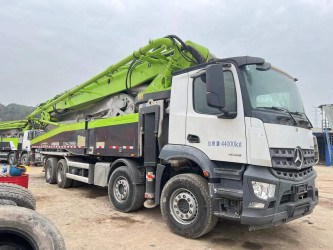
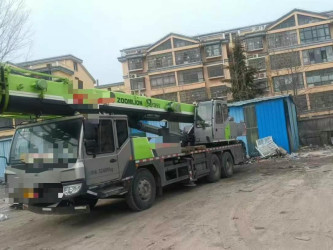
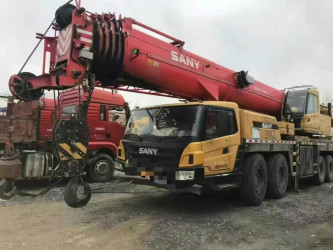
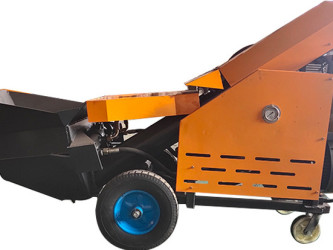
Frequently asked questions
How much does used Concrete Machinery cost on AGGZ?
Prices depend on the year, operating hours and condition of each machine. Compare the current listings above to see real prices from sellers, then contact the seller directly.
What should I check when buying used Concrete Machinery?
Check the year of manufacture, operating hours or mileage, service and maintenance history, and overall condition. Arrange an inspection or request detailed photos before any payment.
Can I buy and export used Concrete Machinery from Turkey and abroad?
Yes. Many sellers on AGGZ ship internationally. Confirm shipping options, export documentation and payment terms directly with the seller before you buy.
Selling similar equipment?
List your machinery on AGGZ and reach buyers searching for Concrete Machinery, trucks, spare parts and industrial equipment.
Posted in:
Buyer & Seller Guides
Related posts
-
Used Road Rollers & Compactors in Poland: 2026 Prices & Buyer's Guide
A buyer's guide to used road rollers and compactors listed in Poland: what is available, current prices, what to...Read more
-
How to Import Used Construction Machinery from Abroad: 2026 Buyer's Guide
A practical guide to importing used heavy equipment from abroad — sources, shipping options, customs, inspection, and...Read more
-
Caterpillar for Sale: Prices, Specs & Used Market Guide 2026
A buyer's guide to used Caterpillar machines — the CAT 320-series excavators and road equipment, current price...Read more
-
Used Construction Machinery in the USA: 2026 Prices & Buyer's Guide
A buyer's guide to used road construction and paving machinery from the USA — current price ranges, an inspection...Read more
-
Used Road Rollers & Compactors from China: 2026 Prices & Buyer's Guide
A buyer's guide to recent, low-hour used road rollers and compactors sourced from China — what is available, current...Read more
Leave a comment