
A practical guide to importing used heavy equipment from abroad — sources, shipping options, customs, inspection, and...
Latest posts
-
 How to Import Used Construction Machinery from Abroad: 2026 Buyer's GuideRead more
 -
 Caterpillar for Sale: Prices, Specs & Used Market Guide 2026Read more
A buyer's guide to used Caterpillar machines — the CAT 320-series excavators and road equipment, current price...
-
 Used Construction Machinery in the USA: 2026 Prices & Buyer's GuideRead more
A buyer's guide to used road construction and paving machinery from the USA — current price ranges, an inspection...
-
 Used Road Rollers & Compactors from China: 2026 Prices & Buyer's GuideRead more
A buyer's guide to recent, low-hour used road rollers and compactors sourced from China — what is available, current...
-
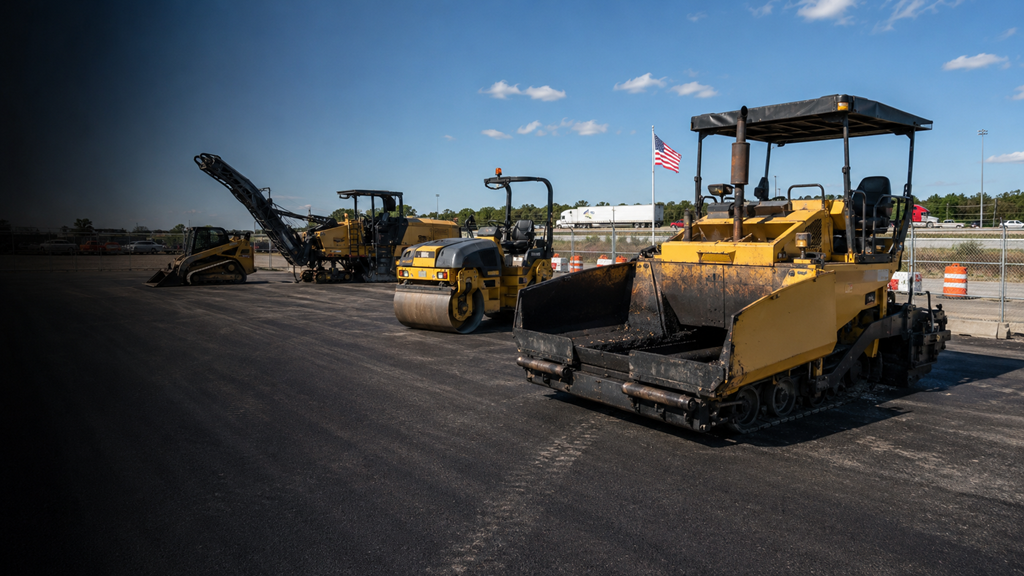 Used Asphalt & Paving Equipment in the USA: 2026 Prices & Buyer's GuideRead more
A practical buyer's guide to used asphalt and paving equipment sourced from the USA — what is available, current...
-
 Manitou MT 1840 Telehandler 2026: Current Prices, Specs, and Buyer’s GuideRead more
The Manitou MT 1840 has established itself as one of the most versatile and trusted telehandlers in the global...
-
 The Complete Guide to Massey Ferguson 240: Price, Specifications, and Global LegacyRead more
Massey Ferguson 240 sits in that sweet spot between light chores and real farm work. It’s part of the MF 200 series,...
-
 Ford Transit Box Truck for Sale: 2026 Buyer’s Guide for Small Business FleetsRead more
The Ford Transit box truck has long been a cornerstone of small business logistics, and in 2026 its position remains...
-
 The Ultimate Guide to Buying Trucks & Excavators: Prices, Deals, and Insights for Contractors in the USA, UK, Canada, and AustraliaRead more
For contractors, fleet managers, farmers, and construction companies, investing in the right trucks and excavators...
-
 Fendt 1050 Vario Price 2026 & Full Specs: The Ultimate Buyer’s GuideRead more
In the world of high-horsepower agricultural machinery, few names carry as much weight as the Fendt 1050 Vario. Known...
Blog categories
- Automotive Parts (21) click
- Heavy Machinery & Equipment Parts (6)
- OEM vs. Aftermarket Parts (1)
- Maintenance & Repair Tips (0)
- Parts Compatibility & Cross-Referencing (0)
- Sustainability & Recycling (1)
- Industry News & Trends (2)
- Buyer & Seller Guides (59)
- Performance Upgrades & Modifications (0)
- Product Reviews & Comparisons (1)
Search in blog
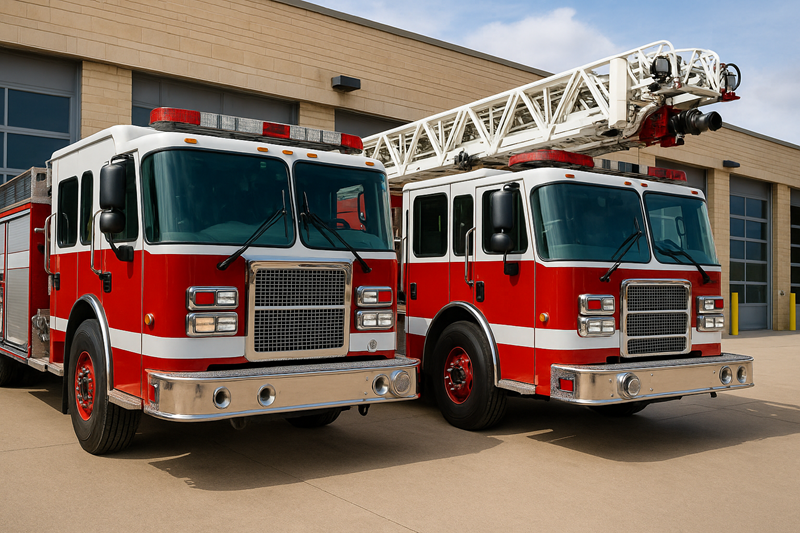
Buying Fire Trucks in 2026: Prices, Specs, and Export Advice for Departments & Dealers
In 2026, the fire truck market in North America and beyond continues to evolve in response to modern safety regulations, emissions standards, and budgetary constraints. With aging municipal fleets across the United States and the UK undergoing phased replacements, demand for both new and quality used fire trucks remains high. At the same time, a growing number of smaller departments and international buyers are turning toward surplus units, government auctions, and specialized resellers to find well-maintained, decommissioned trucks. From frontline apparatus to support units for rural and industrial use, the variety available today is unmatched compared to even five years ago.
The types of fire trucks available in the 2026 market can be broadly categorized by their primary function. Pumpers (also known as engines) remain the backbone of municipal response and are the most frequently replaced and sold. Aerials, including ladder trucks and tower platforms, are more expensive but essential for urban departments dealing with vertical infrastructure. Rescue units range from lightweight support vehicles to fully equipped technical response trucks. Tankers, often used in rural departments without hydrant networks, offer large onboard water capacity. Wildland trucks and brush units, increasingly popular due to the rise in wildfire activity, are typically built on 4x4 chassis and designed for off-road use. Each configuration carries its own pricing structure, usage expectations, and maintenance profile.
Pricing for fire trucks in 2026 varies significantly depending on the vehicle type, mileage, age, build spec, and whether the unit complies with current NFPA (National Fire Protection Association) standards. New pumper trucks from leading manufacturers like Pierce, E-One, Rosenbauer, and Spartan typically range between $400,000 and $700,000 depending on customization and included equipment. Aerial units, due to the complexity of hydraulic and ladder systems, often exceed $1 million for a new platform ladder or tower truck. On the used market, well-maintained pumpers from the early 2010s can be found in the $70,000 to $150,000 range. Wildland units and mini pumpers, especially those built on Ford, Dodge, or Freightliner chassis, are in demand internationally and may cost between $90,000 and $250,000 for newer models.
Departments and private buyers alike must consider where they purchase from. Commercial fire truck dealers provide full inspection, refurbishment, and support packages that appeal to municipalities with clear procurement protocols. Government surplus auctions, on the other hand, offer lower upfront pricing but require the buyer to conduct their own mechanical evaluation and often accept vehicles “as-is.” State auction platforms, direct municipal listings, and platforms specializing in fleet liquidation have made it easier for buyers to access detailed listings with photos, specs, and maintenance records. Due diligence, however, is still critical—especially for exported vehicles that require upfitting or compliance with international standards.
For fire departments in developing regions or institutions abroad, the U.S. surplus fire truck market offers a unique value proposition. Many fire engines and ladder trucks retired from American cities have relatively low hours and robust maintenance histories. Export buyers should ensure the truck has a clean title, confirm that any onboard water systems or foam units are functional, and work with logistics providers familiar with oversized equipment export. Depending on the destination country, customs documentation, emission compliance, and roadworthiness certification will need to be planned well in advance. Specialized agents can assist in bridging this process for departments unfamiliar with North American export logistics.
Private buyers interested in acquiring fire trucks for resale or conversion (such as turning a decommissioned unit into a promotional vehicle or food truck) should assess the mechanical base, frame condition, and electrical system. Fire trucks often come with 12V and 120V systems integrated, making them suitable for creative repurposing. However, before any project is launched, it is essential to account for the original vehicle weight, height, and potential limitations for registration or insurance in non-emergency use.
Frequently Asked Questions (2026 Fire Truck Buying FAQs)
What’s the average cost of a fire truck in 2026?
The cost of a new pumper fire truck in 2026 typically starts around $450,000 and can exceed $700,000 depending on customization. Aerial ladder trucks start at $850,000 and may reach over $1.2 million. Used units in working condition are available from $70,000 upwards.
Where can I buy retired municipal fire trucks in the U.S.?
Retired fire trucks are available from city surplus auctions, state government auction sites, and specialized dealers focused on emergency vehicle resale. Many departments list directly on public procurement platforms or broker sales through certified resellers.
Can used American fire trucks be exported overseas?
Yes, used fire trucks from the U.S. are exported globally each year. Export buyers should work with logistics companies experienced in handling oversized vehicles and confirm local compliance with emissions, lighting, and hydraulic systems.
What to check before buying a second-hand pumper truck?
Buyers should review the service records, pump certification, tire wear, rust on the undercarriage, operational lights, and electrical integrity. It's also important to check for corrosion in water tanks and verify the mileage/hours to assess engine longevity.
Are there grants for buying fire trucks?
In the U.S., fire departments may apply for grants under FEMA’s Assistance to Firefighters Grant (AFG) program. Additionally, state-level funds and municipal bonding options may exist. Private departments may need to rely on fundraising or third-party finance.
What’s the lifespan of a fire truck before it’s decommissioned?
Most municipal departments decommission trucks after 15 to 20 years of service. However, many vehicles are still mechanically sound and functional well beyond this period, especially when used as second-line or volunteer response units.
Is it cheaper to refurbish an older truck than buy new?
Refurbishment may be cost-effective for departments with existing chassis in good condition. However, updating safety, electrical, and pump systems to modern standards can be costly, and not all refurbishment meets new NFPA guidelines.
Can fire trucks be driven with a standard driver’s license?
In most jurisdictions, a commercial driver’s license (CDL) or its equivalent is required for operating a fire truck, especially those exceeding 26,000 pounds or equipped with air brakes. Export buyers should confirm licensing requirements in the destination country.
How long does it take to deliver a fire truck from the U.S. to overseas?
Depending on port access and documentation readiness, ocean freight from the U.S. to Europe or the Middle East typically takes 3 to 6 weeks. Inland transport, customs clearance, and post-arrival registration may add another 2 to 4 weeks.
What are the most trusted fire truck brands in 2026?
Top manufacturers in North America include Pierce, E-One, Spartan Emergency Response, Rosenbauer, and Ferrara. For aerial equipment, ladder platforms from Sutphen and Bronto Skylift are also in demand.
Do used trucks come with functional equipment (hoses, ladders, radios)?
It depends. Many decommissioned units are stripped of active equipment before sale, especially if transferred between departments. However, some surplus units are sold complete, often with operational pumps, generators, and scene lighting systems.
Can a fire truck be converted into a business or promotional vehicle?
Yes. Retired fire trucks are often repurposed into food trucks, mobile classrooms, or advertising platforms. The key is ensuring roadworthiness and reclassification under local vehicle registration guidelines.
Are there emissions restrictions when importing fire trucks?
Yes. Some countries enforce emissions standards (e.g., Euro 5 or Euro 6 compliance). Diesel fire trucks from the early 2000s may not meet these rules unless retrofitted or designated for off-road or emergency-only use.
Can international buyers inspect the truck remotely?
Many reputable sellers now offer detailed virtual inspections, video walkthroughs, and third-party mechanic reports for overseas buyers. This has become standard practice for export clients in 2026.
What’s the resale value of used fire trucks?
Resale value depends on age, brand, maintenance records, and type. A well-maintained 10-year-old pumper may retain up to 40–50% of its original value if demand for that configuration remains strong.
Related equipment for sale on AGGZ
| Machine | Year | Location | Price | |
|---|---|---|---|---|
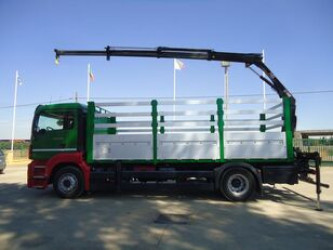 2010 MAN TGM 18 290 Flatbed Truck with Hiab 066 Crane - 331 HP - Spain
|
2010 | Spain | — | View |
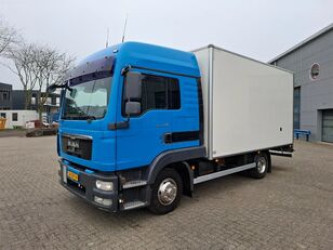 2009 MAN TGL8.220 / NL TRUCK / TUV:20-10-2026 / ONLY:474226 KM / CLEAN TR box truck - 220 HP - Netherlands
|
2009 | Netherlands | $11,500.00 | View |
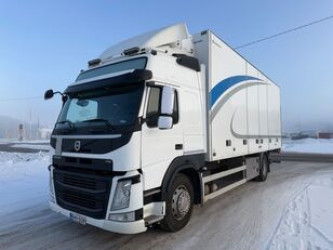 2014 Volvo FM330 4x2 E6 Carrier-cooler 7.7m box refrigerated truck - 330 HP - Finland
|
2014 | Finland | $18,900.00 | View |
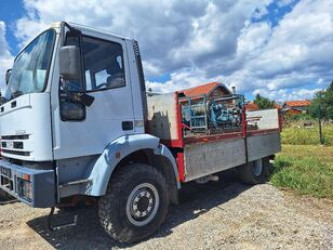 1997 IVECO 95E21 WINCH flatbed truck - 625 HP - Croatia
|
1997 | Croatia | $15,500.00 | View |
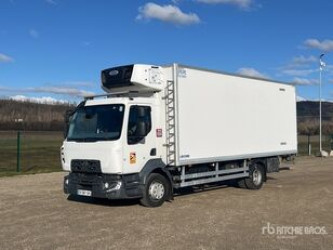 2018 Renault D12 refrigerated truck - France
|
2018 | France | — | View |
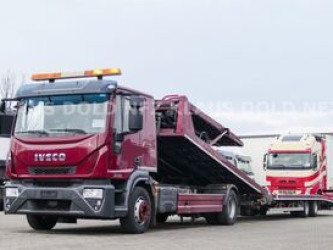 2019 IVECO ZAT 100 tow truck - 320 HP - Germany
|
2019 | Germany | $39,900.00 | View |
Frequently asked questions
How much does used Trucks cost on AGGZ?
Prices depend on the year, operating hours and condition of each machine. Compare the current listings above to see real prices from sellers, then contact the seller directly.
What should I check when buying used Trucks?
Check the year of manufacture, operating hours or mileage, service and maintenance history, and overall condition. Arrange an inspection or request detailed photos before any payment.
Can I buy and export used Trucks from Turkey and abroad?
Yes. Many sellers on AGGZ ship internationally. Confirm shipping options, export documentation and payment terms directly with the seller before you buy.
Selling similar equipment?
List your machinery on AGGZ and reach buyers searching for Trucks, trucks, spare parts and industrial equipment.
Posted in:
Buyer & Seller Guides
Related posts
-
How to Import Used Construction Machinery from Abroad: 2026 Buyer's Guide
A practical guide to importing used heavy equipment from abroad — sources, shipping options, customs, inspection, and...Read more
-
Caterpillar for Sale: Prices, Specs & Used Market Guide 2026
A buyer's guide to used Caterpillar machines — the CAT 320-series excavators and road equipment, current price...Read more
-
Used Construction Machinery in the USA: 2026 Prices & Buyer's Guide
A buyer's guide to used road construction and paving machinery from the USA — current price ranges, an inspection...Read more
-
Used Road Rollers & Compactors from China: 2026 Prices & Buyer's Guide
A buyer's guide to recent, low-hour used road rollers and compactors sourced from China — what is available, current...Read more
-
Used Asphalt & Paving Equipment in the USA: 2026 Prices & Buyer's Guide
A practical buyer's guide to used asphalt and paving equipment sourced from the USA — what is available, current...Read more
Leave a comment