
A buyer's guide to used road rollers and compactors listed in Poland: what is available, current prices, what to...
Latest posts
-
 Used Road Rollers & Compactors in Poland: 2026 Prices & Buyer's GuideRead more
 -
 How to Import Used Construction Machinery from Abroad: 2026 Buyer's GuideRead more
A practical guide to importing used heavy equipment from abroad — sources, shipping options, customs, inspection, and...
-
 Caterpillar for Sale: Prices, Specs & Used Market Guide 2026Read more
A buyer's guide to used Caterpillar machines — the CAT 320-series excavators and road equipment, current price...
-
 Used Construction Machinery in the USA: 2026 Prices & Buyer's GuideRead more
A buyer's guide to used road construction and paving machinery from the USA — current price ranges, an inspection...
-
 Used Road Rollers & Compactors from China: 2026 Prices & Buyer's GuideRead more
A buyer's guide to recent, low-hour used road rollers and compactors sourced from China — what is available, current...
-
 Used Asphalt & Paving Equipment in the USA: 2026 Prices & Buyer's GuideRead more
A practical buyer's guide to used asphalt and paving equipment sourced from the USA — what is available, current...
-
 Manitou MT 1840 Telehandler 2026: Current Prices, Specs, and Buyer’s GuideRead more
The Manitou MT 1840 has established itself as one of the most versatile and trusted telehandlers in the global...
-
 The Complete Guide to Massey Ferguson 240: Price, Specifications, and Global LegacyRead more
Massey Ferguson 240 sits in that sweet spot between light chores and real farm work. It’s part of the MF 200 series,...
-
 Ford Transit Box Truck for Sale: 2026 Buyer’s Guide for Small Business FleetsRead more
The Ford Transit box truck has long been a cornerstone of small business logistics, and in 2026 its position remains...
-
 The Ultimate Guide to Buying Trucks & Excavators: Prices, Deals, and Insights for Contractors in the USA, UK, Canada, and AustraliaRead more
For contractors, fleet managers, farmers, and construction companies, investing in the right trucks and excavators...
Blog categories
- Automotive Parts (21) click
- Heavy Machinery & Equipment Parts (6)
- OEM vs. Aftermarket Parts (1)
- Maintenance & Repair Tips (0)
- Parts Compatibility & Cross-Referencing (0)
- Sustainability & Recycling (1)
- Industry News & Trends (2)
- Buyer & Seller Guides (60)
- Performance Upgrades & Modifications (0)
- Product Reviews & Comparisons (1)
Search in blog
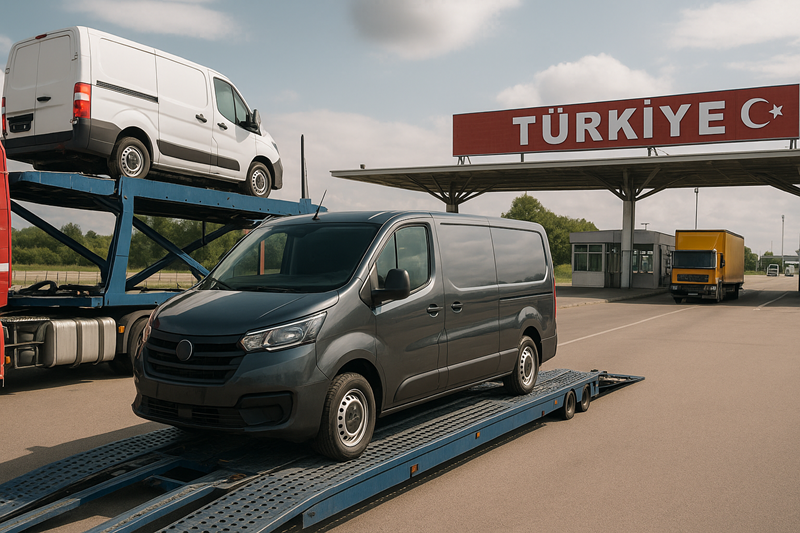
Bulgaria Commercial Vehicle Imports to Türkiye – Prices, Taxes & Process (2026 Update)
Rising Prices and Limited Options in Türkiye Drive Entrepreneurs Toward Importing Commercial Vehicles from Bulgaria
Rising commercial vehicle prices and limited model options in Türkiye are pushing entrepreneurs and business owners to explore alternative markets. In recent years, Bulgaria has become an attractive source for commercial vehicle imports, thanks to its advantageous pricing within the EU and its geographical proximity.
However, as of 2026, importing a commercial vehicle from Bulgaria requires more than just knowing the vehicle price—it also demands a clear understanding of complex tax regulations, customs procedures, and legal requirements.
In this article, we will examine the current state of commercial vehicle imports from Bulgaria, assess the pros and cons, provide a step-by-step guide on how to do it, and show you how to avoid common mistakes. We will also compare alternatives to help you choose the best option for your needs. If you're considering bringing a commercial vehicle from Bulgaria smartly and safely, this guide is for you!
Importing Commercial Vehicles from Bulgaria: Overview and Current Situation
In recent years, price increases and currency fluctuations in Türkiye’s automotive market have led businesses in need of commercial vehicles to seek alternative sources. In this context, Bulgaria has become an especially attractive market for Turkish entrepreneurs. As of 2026, this trend has further strengthened.
Bulgaria’s Strategic Location and Market Structure
As an EU member, Bulgaria offers low customs duties and various trade facilitation measures. Additionally, its accessibility via road transport from Türkiye provides a significant logistical advantage. Cities like Sofia, Plovdiv, and Varna host active and broad second-hand commercial vehicle markets. Furthermore, many commercial vehicles in Bulgaria are well-maintained, low-mileage, and meet EU standards.
Growing Demand in Türkiye
There is an increasing demand for affordable and durable commercial vehicles, especially among SMEs, transport companies, and fleet owners in Türkiye. However, rising taxes (Special Consumption Tax, VAT, etc.), high foreign exchange rates, and increasing production costs are making it harder to buy new vehicles domestically. This situation makes importing from markets like Bulgaria more attractive.
Current Trade and Tax Policies
As of 2026, certain regulations and restrictions apply to vehicle imports from Bulgaria to Türkiye. It is possible to benefit from exemptions and advantages under the EU-Türkiye Customs Union for commercial vehicle imports. However, it is essential to select vehicles that comply with Euro 6 or higher emission standards. Moreover, customs duties, SCT, and VAT must be carefully calculated during the import process.
Market Trends and Prices
While the recent rise in exchange rates has somewhat balanced demand for commercial vehicles from Bulgaria, a price advantage still remains. As of mid-2026, the average price of a second-hand light commercial vehicle in Bulgaria ranges from €12,000 to €20,000. In contrast, prices for new vehicles in the same segment in Türkiye start at 1.2 million TL. Even considering import costs, this still presents an attractive proposition.
Legal Framework and Updates
It is crucial to closely monitor the import and motor vehicle regulations published by Türkiye’s Ministry of Transport and Infrastructure and the Ministry of Trade. On the Bulgarian side, as of 2026, digitalization has increased in sales and registration processes, speeding up the overall transaction.
Pros and Cons: Advantages and Disadvantages of Importing Commercial Vehicles from Bulgaria
When done correctly, importing commercial vehicles from Bulgaria can offer businesses significant cost savings and operational benefits. However, like any opportunity, this process carries certain risks and limitations. In this section, we will objectively examine both the advantages and disadvantages.
Advantages
The biggest advantage is cost savings. Vehicle prices within the EU are generally lower than in Türkiye. Second-hand commercial vehicles, in particular, are sold in well-maintained, low-mileage condition. As of 2026, this can translate into savings of 20% to 40% even after accounting for total costs.
Geographic proximity makes the process easier and faster. The strong road connection between Bulgaria and Türkiye minimizes logistics costs and delivery times. Transporting a vehicle from Sofia to Istanbul typically takes 1–2 days.
Additionally, since Bulgarian vehicles comply with European emission and safety standards, they are preferred in Türkiye from both an environmental and operational perspective—a key factor for large fleet managers and eco-conscious businesses.
Bulgaria also offers a wide and diverse range of commercial vehicles. Vehicles that are hard to find in Türkiye—such as specialized body types, specific equipment levels, or low-mileage second-hand models—are more readily available in Bulgaria. This variety allows businesses to select vehicles more freely according to their needs.
Disadvantages
On the other hand, there are some significant challenges. First, the complex bureaucracy and varying tax rates involved in the import process require careful planning. Particularly, the SCT rates vary depending on engine size, vehicle type, and age—miscalculations can lead to unpleasant surprises.
Language and document management is another challenge. Translating Bulgarian documents correctly and having them approved by Turkish authorities can be time-consuming. Working with an experienced consultant or customs broker is highly recommended.
There are also limitations regarding warranty and service support. Authorized service centers in Türkiye may not honor warranties on imported vehicles or may offer service at high costs. Spare parts and maintenance must therefore be carefully managed.
Finally, changes in customs regulations should not be overlooked. Policy updates or technical regulation changes during the year can cause sudden disruptions in the process. It's critical to check the latest regulations before each import.
Step-by-Step Guide: How to Import a Commercial Vehicle from Bulgaria
Importing a commercial vehicle from Bulgaria may be more accessible than you think—if the process is managed correctly. Here’s a detailed step-by-step guide to ensure everything runs smoothly:
Stage 1 — Vehicle Selection and Market Research
Choosing the right vehicle is crucial. When researching Bulgaria’s commercial vehicle market, clearly define your needs: usage purpose, load capacity, fuel type, and budget.
You can use leading Bulgarian vehicle sales platforms like mobile.bg, cars.bg, and autobazar.bg. Contacting local dealerships in Sofia, Plovdiv, and Varna can also provide reliable information.
Key considerations when evaluating vehicles:
-
Vehicle age (vehicles up to 3–5 years old are generally preferred for import)
-
Compliance with Euro 6 or higher emission standards
-
Maintenance history and service records
-
Seller reliability and business reputation
It’s highly advisable to obtain an independent inspection report to avoid unpleasant surprises later.
Stage 2 — Purchase and Sales Contract Preparation
After selecting the vehicle, proceed with the purchase. A written bilingual (Bulgarian–Turkish or Bulgarian–English) sales contract is a must, as it will serve as proof during Turkish customs clearance and registration.
The contract should clearly include:
-
Full identity and contact details of both parties
-
Complete technical specifications and chassis number of the vehicle
-
Sale price and payment method
-
Delivery terms and timeline
-
Return and warranty provisions (if any)
After payment, the vehicle’s plates must be canceled in Bulgaria and temporary export plates must be obtained (through the Bulgarian Traffic Department – KAT). Without export plates and temporary insurance, you cannot bring the vehicle to Türkiye.
Stage 3 — Transportation and Customs Preparation
Once temporary export plates and insurance are in place, you can drive the vehicle to Türkiye. The most commonly used border gates are Kapıkule and Hamzabeyli.
Documents required before crossing the border:
-
Sales contract
-
Invoice (official, not proforma)
-
Vehicle registration document (with Bulgarian exit stamp)
-
Temporary plate and insurance documents
-
Export declaration (issued on the Bulgarian side)
Working with a customs broker in Türkiye is recommended—they will handle declarations and calculate taxes on your behalf.
Stage 4 — Tax Payments and Customs Clearance
At the border, the following taxes must be paid:
-
Customs duty: Usually zero for EU-origin vehicles, but check the latest regulations.
-
Special Consumption Tax (SCT/ÖTV): Varies between 10% and 25% depending on engine size and vehicle type.
-
VAT (KDV): 20%, calculated on the SCT-inclusive price.
After completing the customs declaration and payment, the vehicle undergoes a physical inspection. The vehicle must fully comply with regulations to pass.
Once complete, the vehicle is officially cleared and imported into Türkiye.
Stage 5 — Registration and Licensing in Türkiye
The final step is to register the vehicle in Türkiye so it can be legally driven. This process must begin within 15 days of customs clearance to avoid penalties.
Required documents:
-
Customs declaration and clearance receipt
-
Proof of tax payments (SCT and VAT)
-
Invoice and sales contract (with notarized translation)
-
Bulgarian temporary export documents and canceled original registration (with "export" stamp)
-
Mandatory traffic insurance policy (from a Turkish insurance company)
-
Inspection report (required in some provinces, especially for second-hand imports)
Registration can be done through the Provincial Traffic Registration Branch Directorate or authorized notaries (the latter is often faster).
During registration, the vehicle is physically inspected, and its chassis number is verified. After approval, you will receive Turkish registration documents and license plates.
Important practical notes:
-
Check whether reliable service and spare parts are available in Türkiye.
-
Clearly state warranty and tax terms in your insurance policy.
-
Monitor the vehicle’s inspection schedule carefully—imported vehicles may follow different procedures.
After this, your Bulgarian-imported commercial vehicle will be fully legal and ready to use in Türkiye.
Comparison: Importing from Bulgaria vs. Other Options
Businesses looking to buy commercial vehicles in Türkiye have several options. Importing from Bulgaria is just one. It’s helpful to compare this with buying domestically or importing from other EU countries.
Importing from Bulgaria: Cost Savings and Easy Logistics
Importing from Bulgaria is ideal for price-sensitive businesses. Due to geographic proximity, logistics costs are low (approx. €500–€700 from Sofia to Istanbul).
By contrast, new commercial vehicles in Türkiye are heavily taxed. As of 2026, mid-range new commercial vehicles start at about 1.2 million TL in Türkiye. The same imported from Bulgaria, including all taxes, costs around 800,000–950,000 TL.
Bulgaria also offers greater vehicle variety, including chassis lengths and specialized models that are harder to find in Türkiye.
Buying in Türkiye: Warranty and Service Convenience
Buying domestically offers clear advantages in terms of warranty and service. Vehicles sold by Turkish distributors typically come with 2–5 years of warranty and widespread service networks. The process is also faster and simpler, without import procedures.
However, due to high taxes, domestic vehicles are more expensive—so this may not be ideal for SMEs with cost concerns.
Importing from Other EU Countries: Broader Market, Higher Costs
Importing from Germany, France, or Italy is another option. These countries offer a wider market and higher-spec models, such as well-maintained fleet vehicles.
But the downsides include:
-
Higher logistics costs (€1,000–€1,500 for transport)
-
More complex procedures and language barriers
-
Longer delivery times (3–4 weeks vs. 1 week from Bulgaria)
Which Option Is Best?
-
For price and variety and fast logistics, Bulgaria is ideal for SMEs and fleet operators.
-
For warranty and after-sales support, buying in Türkiye is still a strong option.
-
For specialized models and less price-sensitive buyers, importing from major EU markets may be best.
Common Mistakes and How to Avoid Them
Common mistakes in Bulgarian commercial vehicle imports include:
-
Inadequate market research and hasty decisions: Always conduct thorough market research and compare several vehicles.
-
Incomplete or incorrect documents: Work with an experienced customs broker to ensure documents are complete and correctly prepared.
-
Incorrect tax calculations: Simulate the total cost beforehand, including SCT and VAT.
-
Skipping vehicle inspection: Do not rely solely on photos—get a professional inspection.
-
Underestimating registration requirements: Learn all registration criteria in advance to avoid delays.
Working carefully, with proper planning and expert support, is the best way to succeed in this process.
FAQ
1. Is there an age limit for vehicles imported from Bulgaria?
Yes, typically vehicles should be 3–5 years old. Older vehicles may face compliance issues.
2. How are taxes calculated?
SCT: 10%–25% depending on engine/type. VAT: 20% on SCT-inclusive price. Customs duty is usually zero for EU-origin vehicles.
3. Most popular brands in Bulgaria?
Mercedes-Benz Sprinter, VW Crafter, Ford Transit, Renault Master, Fiat Ducato, Peugeot Boxer.
4. Is the vehicle warranty valid in Türkiye?
Usually not, unless you purchase an international warranty. Partnering with a trusted independent service provider is recommended.
5. Can individuals import commercial vehicles?
Yes, but you bear full responsibility—expert assistance is recommended.
6. What should I check when buying?
Mileage history, service records, emissions compliance, and physical condition. An independent inspection is advised.
7. How is the imported vehicle inspected in Türkiye?
A TSE-certified inspection may be required prior to or after registration.
8. Is the process more advantageous for businesses?
Yes, businesses can benefit from VAT deductions and other tax advantages.
9. Is working with an import consultant required?
Not mandatory but highly recommended, especially for first-time importers.
10. Can imported vehicles be resold in Türkiye?
Yes, once registered, they can be sold like any other second-hand vehicle—but transparency about the import history is essential.
In 2026, importing commercial vehicles from Bulgaria continues to offer significant cost advantages and a wide range of options for Turkish businesses. However, careful planning, legal compliance, and document management are crucial for success.
This guide has provided a comprehensive overview of the market, process, risks, and alternatives. With the right strategy and expert support, importing a commercial vehicle from Bulgaria can be a highly valuable investment for your business.
Related equipment for sale on AGGZ
| Machine | Year | Location | Price | |
|---|---|---|---|---|
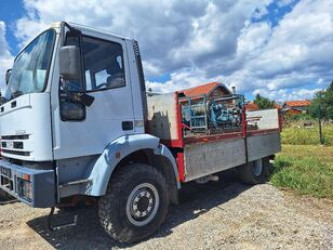 1997 IVECO 95E21 WINCH flatbed truck - 625 HP - Croatia
|
1997 | Croatia | $15,500.00 | View |
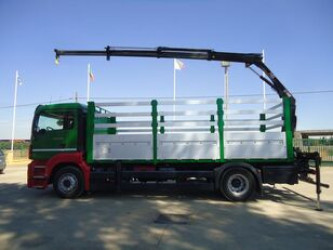 2010 MAN TGM 18 290 Flatbed Truck with Hiab 066 Crane - 331 HP - Spain
|
2010 | Spain | — | View |
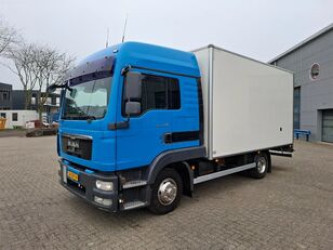 2009 MAN TGL8.220 / NL TRUCK / TUV:20-10-2026 / ONLY:474226 KM / CLEAN TR box truck - 220 HP - Netherlands
|
2009 | Netherlands | $11,500.00 | View |
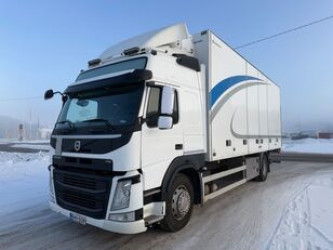 2014 Volvo FM330 4x2 E6 Carrier-cooler 7.7m box refrigerated truck - 330 HP - Finland
|
2014 | Finland | $18,900.00 | View |
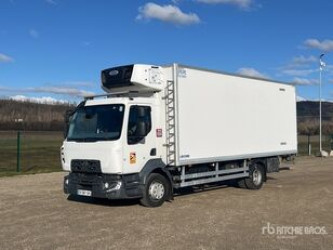 2018 Renault D12 refrigerated truck - France
|
2018 | France | — | View |
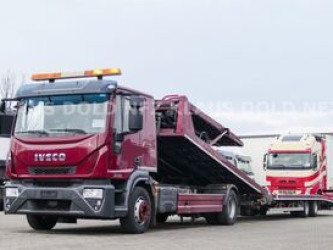 2019 IVECO ZAT 100 tow truck - 320 HP - Germany
|
2019 | Germany | $39,900.00 | View |
Frequently asked questions
How much does used Trucks cost on AGGZ?
Prices depend on the year, operating hours and condition of each machine. Compare the current listings above to see real prices from sellers, then contact the seller directly.
What should I check when buying used Trucks?
Check the year of manufacture, operating hours or mileage, service and maintenance history, and overall condition. Arrange an inspection or request detailed photos before any payment.
Can I buy and export used Trucks from Turkey and abroad?
Yes. Many sellers on AGGZ ship internationally. Confirm shipping options, export documentation and payment terms directly with the seller before you buy.
Selling similar equipment?
List your machinery on AGGZ and reach buyers searching for Trucks, trucks, spare parts and industrial equipment.
Posted in:
Buyer & Seller Guides
Related posts
-
Used Road Rollers & Compactors in Poland: 2026 Prices & Buyer's Guide
A buyer's guide to used road rollers and compactors listed in Poland: what is available, current prices, what to...Read more
-
How to Import Used Construction Machinery from Abroad: 2026 Buyer's Guide
A practical guide to importing used heavy equipment from abroad — sources, shipping options, customs, inspection, and...Read more
-
Caterpillar for Sale: Prices, Specs & Used Market Guide 2026
A buyer's guide to used Caterpillar machines — the CAT 320-series excavators and road equipment, current price...Read more
-
Used Construction Machinery in the USA: 2026 Prices & Buyer's Guide
A buyer's guide to used road construction and paving machinery from the USA — current price ranges, an inspection...Read more
-
Used Road Rollers & Compactors from China: 2026 Prices & Buyer's Guide
A buyer's guide to recent, low-hour used road rollers and compactors sourced from China — what is available, current...Read more
Leave a comment