
A buyer's guide to used road rollers and compactors listed in Poland: what is available, current prices, what to...
Latest posts
-
 Used Road Rollers & Compactors in Poland: 2026 Prices & Buyer's GuideRead more
 -
 How to Import Used Construction Machinery from Abroad: 2026 Buyer's GuideRead more
A practical guide to importing used heavy equipment from abroad — sources, shipping options, customs, inspection, and...
-
 Caterpillar for Sale: Prices, Specs & Used Market Guide 2026Read more
A buyer's guide to used Caterpillar machines — the CAT 320-series excavators and road equipment, current price...
-
 Used Construction Machinery in the USA: 2026 Prices & Buyer's GuideRead more
A buyer's guide to used road construction and paving machinery from the USA — current price ranges, an inspection...
-
 Used Road Rollers & Compactors from China: 2026 Prices & Buyer's GuideRead more
A buyer's guide to recent, low-hour used road rollers and compactors sourced from China — what is available, current...
-
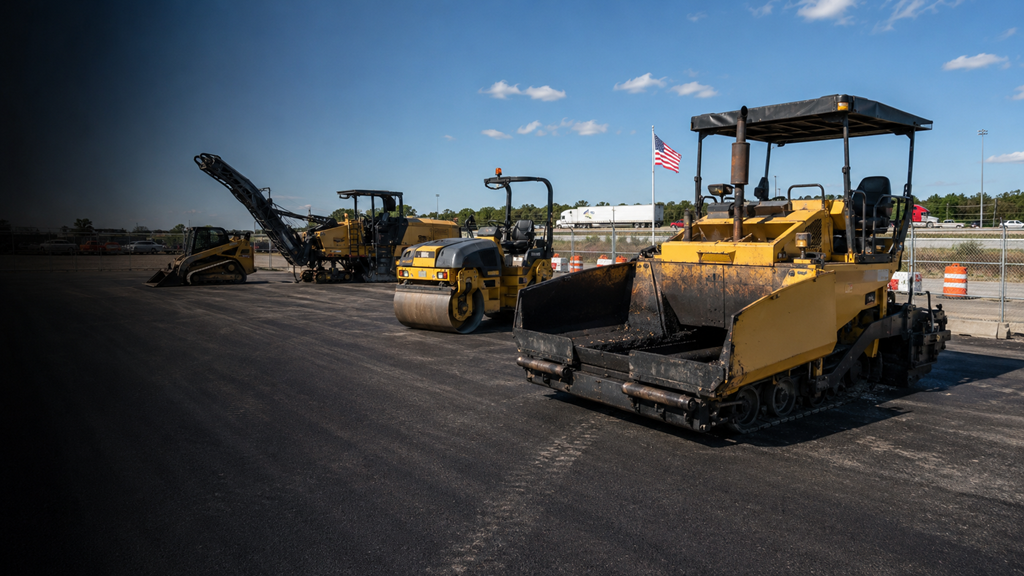 Used Asphalt & Paving Equipment in the USA: 2026 Prices & Buyer's GuideRead more
A practical buyer's guide to used asphalt and paving equipment sourced from the USA — what is available, current...
-
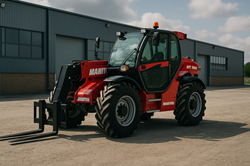 Manitou MT 1840 Telehandler 2026: Current Prices, Specs, and Buyer’s GuideRead more
The Manitou MT 1840 has established itself as one of the most versatile and trusted telehandlers in the global...
-
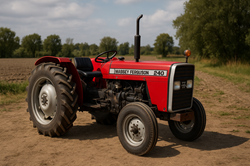 The Complete Guide to Massey Ferguson 240: Price, Specifications, and Global LegacyRead more
Massey Ferguson 240 sits in that sweet spot between light chores and real farm work. It’s part of the MF 200 series,...
-
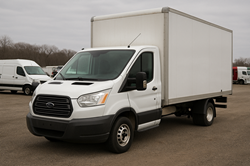 Ford Transit Box Truck for Sale: 2026 Buyer’s Guide for Small Business FleetsRead more
The Ford Transit box truck has long been a cornerstone of small business logistics, and in 2026 its position remains...
-
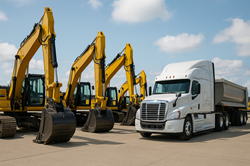 The Ultimate Guide to Buying Trucks & Excavators: Prices, Deals, and Insights for Contractors in the USA, UK, Canada, and AustraliaRead more
For contractors, fleet managers, farmers, and construction companies, investing in the right trucks and excavators...
Blog categories
- Automotive Parts (21) click
- Heavy Machinery & Equipment Parts (6)
- OEM vs. Aftermarket Parts (1)
- Maintenance & Repair Tips (0)
- Parts Compatibility & Cross-Referencing (0)
- Sustainability & Recycling (1)
- Industry News & Trends (2)
- Buyer & Seller Guides (60)
- Performance Upgrades & Modifications (0)
- Product Reviews & Comparisons (1)
Search in blog
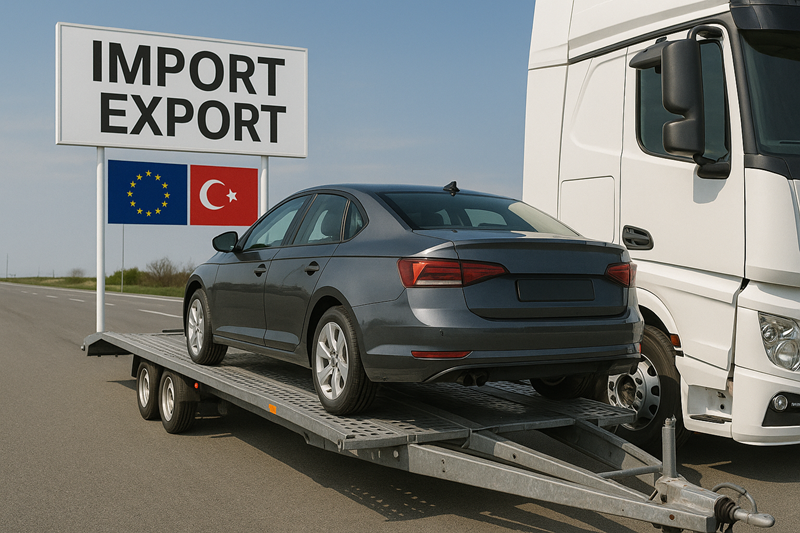
The Ultimate 2026 Guide to Buying Heavy-Duty Trucks and Light Commercial Vehicles from Germany
Used vehicles from Germany for export
In today’s global logistics landscape, heavy-duty trucks and mid-size commercial vehicles like light vans are in high demand across the U.S. Whether you’re running a freight business, construction fleet, or agricultural operation, finding cost-effective, reliable trucks has never been more essential.
This 2026 guide explores everything you need to know about buying and importing trucks such as the Ford Cargo 2524, Volvo TIR models, and vehicles like the Hyundai H350 or Iveco Daily from Germany. You'll learn how to navigate prices, features, legal steps, and make informed decisions that protect your investment and operational goals.
Overview: Germany as a Source for Trucks and Kamyonets
Germany has long been a leader in commercial vehicle manufacturing and resale. Due to strong environmental regulations, fleet renewal cycles, and high mechanical standards, its used trucks are typically well-maintained, regularly serviced, and technologically advanced.
In 2026, we are seeing an increase in the availability of Euro 6 diesel and pre-owned units as large fleet operators transition to electric and hybrid models. German export dealers are becoming more visible online, with B2B platforms improving cross-border coordination. Combined with a favorable exchange rate, this makes Germany a compelling option for U.S. importers looking for trucks like the DAF XF 480, Mercedes Kamyonet 4x4, and Volvo TIRs.
Current Pricing Trends in Germany for Used Trucks and Kamyonets
Truck resale prices in Germany remain attractive in 2026, largely due to the country's accelerated fleet renewal cycles and clean emissions policies. The result is a robust export market filled with trucks that have full maintenance records, verified mileage, and Euro 6 emissions certification.
Here’s an overview of current German pricing for popular truck and kamyonet models commonly targeted by U.S. importers:
| Model | Year Range | Average KM | German Base Price (EUR) | USD Estimate* |
|---|---|---|---|---|
| Ford Cargo 2524 Damperli | 2016–2019 | 200,000–400,000 | €18,000 – €24,000 | $19,400 – $25,800 |
| Volvo FH 500 | 2017–2021 | 300,000–600,000 | €30,000 – €42,000 | $32,300 – $45,200 |
| DAF XF 480 | 2018–2022 | 250,000–500,000 | €29,000 – €38,000 | $31,200 – $40,800 |
| Mercedes Kamyonet 4x4 | 2015–2020 | 100,000–250,000 | €21,000 – €28,000 | $22,600 – $30,100 |
| Hyundai H350 Kamyonet | 2018–2022 | 120,000–200,000 | €17,000 – €22,000 | $18,300 – $23,700 |
| Iveco Daily Kamyonet | 2016–2020 | 150,000–300,000 | €14,000 – €20,000 | $15,100 – $21,600 |
| Mitsubishi Fuso Canter | 2017–2021 | 100,000–250,000 | €16,000 – €21,000 | $17,200 – $22,600 |
| Scania R 450 | 2017–2020 | 400,000–700,000 | €28,000 – €36,000 | $30,200 – $38,800 |
| MAN TGX 460 | 2016–2021 | 350,000–600,000 | €25,000 – €34,000 | $26,900 – $36,700 |
| Mercedes Axor 3240 (2nd Hand) | 2014–2018 | 300,000–500,000 | €20,000 – €27,000 | $21,500 – $29,000 |
*Note: USD estimates are based on a 1 EUR = 1.08 USD exchange rate and may vary.
Cost Components Beyond the Sticker Price
U.S. buyers often make the mistake of assuming the listed price is the total cost. In reality, several other charges apply:
-
Freight (Ro-Ro or Container): $2,500 – $4,500 depending on port and vehicle size
-
Import Duty: 25% for trucks over 5 tons, 2.5% for light commercial vehicles
-
EPA/DOT Modifications: $1,500 – $5,000 depending on conformity status
-
Customs Broker & Port Fees: $800 – $1,200
-
Inland U.S. Delivery: $600 – $2,000 depending on distance
These extra costs mean that a truck listed at €25,000 in Germany might land in the U.S. at a total cost of $35,000–$42,000 depending on circumstances.
Example: Total Landed Cost for a Ford Cargo 2524 Damperli
Let’s break down the total landed cost of a typical mid-spec Ford Cargo 2524:
-
German Purchase Price: €22,000 (~$23,700)
-
Freight: $3,000
-
Import Duty (25%): $5,925
-
EPA Modifications: $2,000
-
Broker/Customs: $1,000
-
U.S. Inland Transport: $1,200
Estimated Total Delivered Price: $36,825
Where to Buy and What to Watch Out For
Sourcing the right unit is just as critical as budgeting. Many U.S. buyers use platforms like AGGZ.com to access dealer-verified listings. Key advantages include:
-
Language support and export-focused sellers
-
VIN verification and maintenance records
-
Clear export documentation
However, beware of listings that:
-
Don’t specify export status
-
Lack mileage verification
-
Use vague or non-contractual language
Always request a formal pro forma invoice before transferring funds.
Pros and Cons of Buying German Heavy Vehicles
Importing trucks from Germany to the U.S. can be rewarding, but requires a deeper understanding of the process and market dynamics.
One of the most significant benefits is pricing. Trucks in Germany often cost significantly less than comparable U.S. models, even after duties and shipping. For example, a well-maintained Ford Cargo 2524 Damperli can cost 15–20% less than a domestic equivalent with similar specs. Additionally, German trucks tend to come with thorough service records and emissions compliance that support a smooth import process.
However, buyers must be cautious. Compliance with U.S. DOT and EPA regulations is mandatory, and not all European trucks qualify for legal use. There’s also the issue of buyer-seller communication and documentation transparency. Without the right support or knowledge, missteps can lead to unexpected costs, delays, or even denial of entry at port.
How to Buy and Import a Truck from Germany to the U.S.
The buying process begins with clarity: understanding what you need based on your business type, location, and payload demands. Long-haul operators may prioritize trucks like the Volvo FH series, while construction and urban delivery services may lean toward kamyonets such as the Hyundai H350 or the Mercedes Kamyonet 4x4.
Next comes sourcing. It’s important to evaluate dealers and platforms not only by inventory but also by their ability to provide export-ready paperwork, verified VIN details, and shipment support. AGGZ.com, for example, focuses on commercial-use listings and vendor verification, helping buyers reduce risk when navigating international transactions.
Cost planning is a crucial step. Beyond the listed price, importers should anticipate freight charges, insurance, import duties (which for commercial trucks may be as high as 25%), EPA/DOT modifications if required, and inland transport costs within the U.S. Final invoices must detail everything from chassis numbers to loading dates, as these will be required during U.S. customs clearance.
Shipping logistics generally involve Ro-Ro (roll-on, roll-off) services from major German ports like Hamburg or Bremerhaven. Upon arrival in the U.S., most trucks clear customs through East Coast or Gulf Coast entry points, such as Baltimore or Savannah. A licensed customs broker is essential to ensure that forms, tax calculations, and port handling are completed correctly.
Comparing German Trucks to U.S. Market Options
While Germany offers pricing advantages and a broad model selection, including trucks not commonly available in the U.S., there are trade-offs. For example, the Hyundai H350 kamyonet, though competitively priced and well-suited to U.S. delivery operations, may require lighting or instrumentation updates to meet local standards.
German brands often emphasize cab comfort and long-distance ergonomics — a feature well-appreciated in models like the DAF XF 530. In contrast, U.S. brands may offer better dealer networks for maintenance and easier financing solutions. Models such as the Freightliner Cascadia or Ford Super Duty line are easier to insure and service nationwide.
Buyers should also consider resale value and parts availability. Imported trucks may experience slower resale or require specific sourcing arrangements for parts, although this gap is narrowing due to the growth of international suppliers.
Avoiding Common Import Mistakes
Many importers miscalculate the total cost of acquisition by ignoring hidden charges like port storage, EPA modifications, or domestic hauling. Others rely on unverifiable sellers or skip professional inspections, leading to mechanical issues post-arrival.
A recurring issue is misunderstanding legal compliance. Even if a truck meets European standards, it doesn’t guarantee U.S. road eligibility. Buyers should confirm eligibility via the NHTSA and EPA exemption lists or consult with an import specialist before finalizing any transaction.
Another trap is assuming shipping or tax is included in the advertised price. Most European listings are net prices for local buyers and don’t reflect the additional costs international buyers will face. Always request a total export quote, including CIF (cost, insurance, and freight) to your chosen port.
Frequently Asked Questions (FAQ)
Can I import a used truck from Germany into the U.S. without modifications?
Only if the truck meets U.S. DOT and EPA standards or qualifies for exemption. Most will require minor adaptations at a minimum.
Are German trucks really cheaper after all costs?
Yes — especially for high-spec or discontinued models. The savings can be substantial for niche use cases.
What documents do I need to import a truck?
You will need the bill of lading, commercial invoice, export certificate, EPA/DOT declarations, and proof of ownership.
Where should I ship the truck to in the U.S.?
Ports like Baltimore, Savannah, and Houston are ideal due to faster processing times and established broker networks.
Is AGGZ.com suitable for sourcing trucks from Germany?
Yes. It’s a commercial vehicle-focused B2B platform that supports cross-border buyers and is expanding its listing base.
Final words
Importing a truck or kamyonet from Germany in 2026 can be a smart, cost-effective move — if done properly. With the right model selection, compliance planning, and logistics support, businesses can save significantly while gaining access to top-tier equipment.
Platforms like AGGZ.com simplify the sourcing process by connecting buyers with verified commercial listings and export-ready vendors. Whether you're expanding a fleet, replacing aging vehicles, or entering a new sector, now is a good time to look beyond domestic listings and explore the high-potential truck market in Germany.
Related equipment for sale on AGGZ
| Machine | Year | Location | Price | |
|---|---|---|---|---|
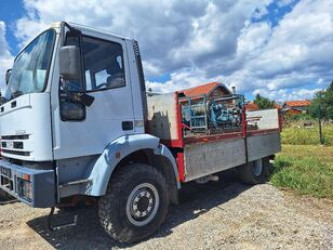 1997 IVECO 95E21 WINCH flatbed truck - 625 HP - Croatia
|
1997 | Croatia | $15,500.00 | View |
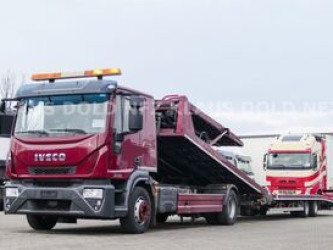 2019 IVECO ZAT 100 tow truck - 320 HP - Germany
|
2019 | Germany | $39,900.00 | View |
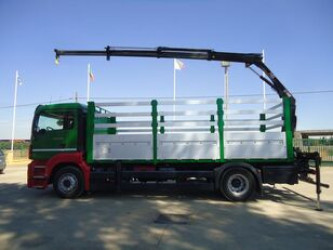 2010 MAN TGM 18 290 Flatbed Truck with Hiab 066 Crane - 331 HP - Spain
|
2010 | Spain | — | View |
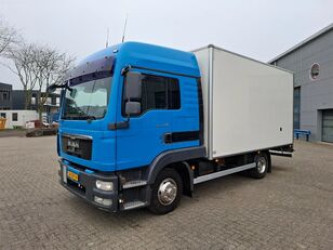 2009 MAN TGL8.220 / NL TRUCK / TUV:20-10-2026 / ONLY:474226 KM / CLEAN TR box truck - 220 HP - Netherlands
|
2009 | Netherlands | $11,500.00 | View |
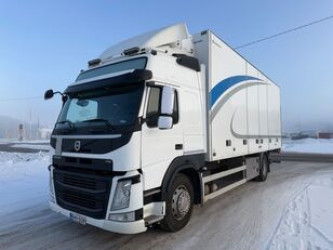 2014 Volvo FM330 4x2 E6 Carrier-cooler 7.7m box refrigerated truck - 330 HP - Finland
|
2014 | Finland | $18,900.00 | View |
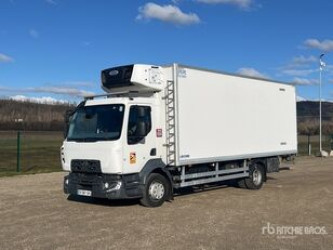 2018 Renault D12 refrigerated truck - France
|
2018 | France | — | View |
Frequently asked questions
How much does used Trucks cost on AGGZ?
Prices depend on the year, operating hours and condition of each machine. Compare the current listings above to see real prices from sellers, then contact the seller directly.
What should I check when buying used Trucks?
Check the year of manufacture, operating hours or mileage, service and maintenance history, and overall condition. Arrange an inspection or request detailed photos before any payment.
Can I buy and export used Trucks from Turkey and abroad?
Yes. Many sellers on AGGZ ship internationally. Confirm shipping options, export documentation and payment terms directly with the seller before you buy.
Selling similar equipment?
List your machinery on AGGZ and reach buyers searching for Trucks, trucks, spare parts and industrial equipment.
Posted in:
Buyer & Seller Guides
Related posts
-
Used Road Rollers & Compactors in Poland: 2026 Prices & Buyer's Guide
A buyer's guide to used road rollers and compactors listed in Poland: what is available, current prices, what to...Read more
-
How to Import Used Construction Machinery from Abroad: 2026 Buyer's Guide
A practical guide to importing used heavy equipment from abroad — sources, shipping options, customs, inspection, and...Read more
-
Caterpillar for Sale: Prices, Specs & Used Market Guide 2026
A buyer's guide to used Caterpillar machines — the CAT 320-series excavators and road equipment, current price...Read more
-
Used Construction Machinery in the USA: 2026 Prices & Buyer's Guide
A buyer's guide to used road construction and paving machinery from the USA — current price ranges, an inspection...Read more
-
Used Road Rollers & Compactors from China: 2026 Prices & Buyer's Guide
A buyer's guide to recent, low-hour used road rollers and compactors sourced from China — what is available, current...Read more
Leave a comment