
A buyer's guide to used road rollers and compactors listed in Poland: what is available, current prices, what to...
Latest posts
-
 Used Road Rollers & Compactors in Poland: 2026 Prices & Buyer's GuideRead more
 -
 How to Import Used Construction Machinery from Abroad: 2026 Buyer's GuideRead more
A practical guide to importing used heavy equipment from abroad — sources, shipping options, customs, inspection, and...
-
 Caterpillar for Sale: Prices, Specs & Used Market Guide 2026Read more
A buyer's guide to used Caterpillar machines — the CAT 320-series excavators and road equipment, current price...
-
 Used Construction Machinery in the USA: 2026 Prices & Buyer's GuideRead more
A buyer's guide to used road construction and paving machinery from the USA — current price ranges, an inspection...
-
 Used Road Rollers & Compactors from China: 2026 Prices & Buyer's GuideRead more
A buyer's guide to recent, low-hour used road rollers and compactors sourced from China — what is available, current...
-
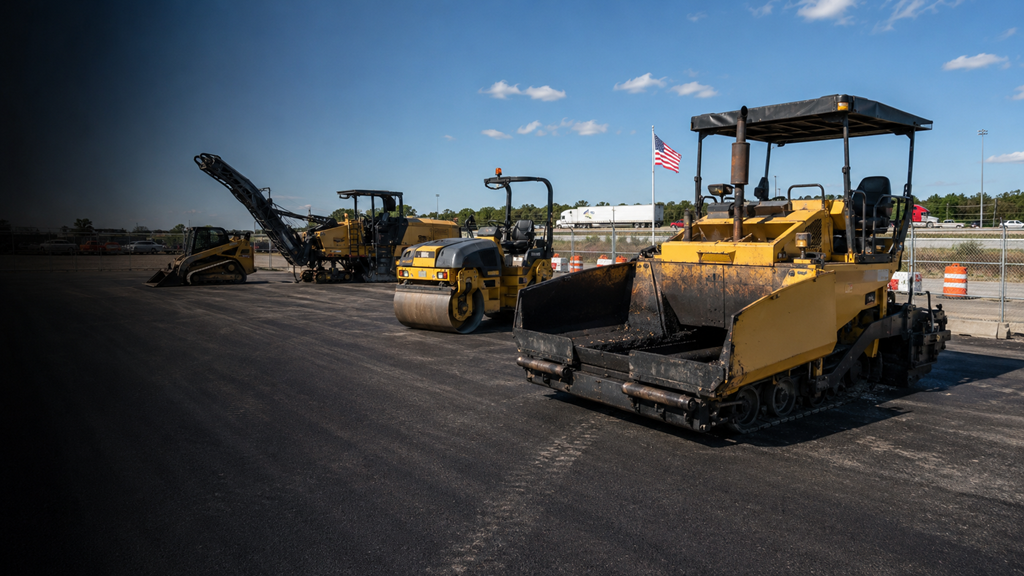 Used Asphalt & Paving Equipment in the USA: 2026 Prices & Buyer's GuideRead more
A practical buyer's guide to used asphalt and paving equipment sourced from the USA — what is available, current...
-
 Manitou MT 1840 Telehandler 2026: Current Prices, Specs, and Buyer’s GuideRead more
The Manitou MT 1840 has established itself as one of the most versatile and trusted telehandlers in the global...
-
 The Complete Guide to Massey Ferguson 240: Price, Specifications, and Global LegacyRead more
Massey Ferguson 240 sits in that sweet spot between light chores and real farm work. It’s part of the MF 200 series,...
-
 Ford Transit Box Truck for Sale: 2026 Buyer’s Guide for Small Business FleetsRead more
The Ford Transit box truck has long been a cornerstone of small business logistics, and in 2026 its position remains...
-
 The Ultimate Guide to Buying Trucks & Excavators: Prices, Deals, and Insights for Contractors in the USA, UK, Canada, and AustraliaRead more
For contractors, fleet managers, farmers, and construction companies, investing in the right trucks and excavators...
Blog categories
- Automotive Parts (21) click
- Heavy Machinery & Equipment Parts (6)
- OEM vs. Aftermarket Parts (1)
- Maintenance & Repair Tips (0)
- Parts Compatibility & Cross-Referencing (0)
- Sustainability & Recycling (1)
- Industry News & Trends (2)
- Buyer & Seller Guides (60)
- Performance Upgrades & Modifications (0)
- Product Reviews & Comparisons (1)
Search in blog
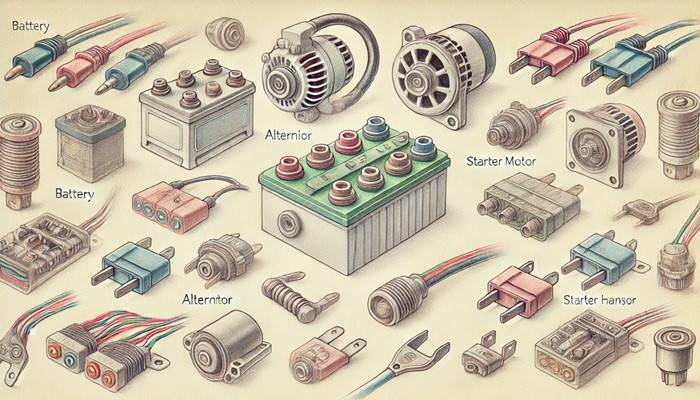
Electrical Components: Essential Automotive Terms Glossary
-
Battery Terminal
The Battery Terminal connects the battery to the vehicle’s electrical system, providing power to all electrical components. Positive and negative terminals connect to respective cables. -
Alternator
The Alternator generates electrical power to recharge the battery and supply energy to the vehicle’s electrical systems, converting mechanical energy into electricity. -
Ignition Switch
The Ignition Switch starts the engine and powers accessories like lights and radio. It also initiates the ignition system, allowing the engine to start. -
Starter Motor
The Starter Motor cranks the engine to begin operation, drawing power from the battery to turn over the engine and start the combustion process. -
Fuse Block
The Fuse Block houses fuses that protect electrical circuits from overload, preventing damage to components by cutting off current during surges. -
Wiring Harness
The Wiring Harness bundles wires and connectors, distributing electrical power and signals throughout the vehicle to various components. -
Spark Plug Wire
Spark Plug Wires carry high-voltage current from the ignition coil to the spark plugs, enabling them to ignite the fuel-air mixture. -
Battery Cable
Battery Cables connect the battery to the starter and alternator, carrying the current needed for starting and charging. -
Relay
A Relay is an electrically operated switch that controls high-current circuits using a low-current signal, often used in lighting and accessory circuits. -
Voltage Regulator
The Voltage Regulator maintains a consistent voltage level from the alternator to protect electrical components from power fluctuations. -
Control Module
A Control Module is an onboard computer that manages specific systems, such as the engine, transmission, or brakes, by processing sensor data and sending signals. -
Hazard Light Switch
The Hazard Light Switch activates the vehicle’s hazard or emergency lights, making the car visible to others in case of an emergency stop. -
Power Window Motor
The Power Window Motor drives the window up and down in vehicles with power windows, controlled by a switch on the door panel. -
Brake Light Switch
The Brake Light Switch activates the brake lights when the brake pedal is pressed, signaling to other drivers that the vehicle is slowing down. -
Parking Light
Parking Lights are positioned on the front and rear of the vehicle to improve visibility when parked, especially in low-light conditions. -
Electric Fuel Pump
The Electric Fuel Pump delivers fuel from the tank to the engine under the required pressure, essential for fuel injection systems. -
Electric Fan
The Electric Fan cools the radiator by drawing air through it, helping regulate engine temperature, especially in high-performance or high-temperature conditions. -
Turn Signal Flasher
The Turn Signal Flasher controls the blinking of turn signals, creating the on-off pattern that signals lane changes or turns. -
Power Door Lock
The Power Door Lock mechanism locks and unlocks vehicle doors electronically, controlled by a switch or remote. -
Traction Control Module
The Traction Control Module manages wheel traction by adjusting braking and engine power to prevent wheel spin in slippery conditions. -
Electric Choke
The Electric Choke regulates the air-fuel mixture in carbureted engines during startup, enriching the mixture for smoother cold starts. -
Tail Light Socket
The Tail Light Socket holds the tail light bulb, providing electrical connections to power the tail lights for rear visibility. -
Temperature Gauge
The Temperature Gauge displays engine coolant temperature on the dashboard, alerting the driver if the engine is overheating. -
Speed Sensor
The Speed Sensor measures vehicle speed and sends the information to the speedometer and other control systems for speed-related adjustments. -
Knock Sensor
The Knock Sensor detects engine knock or pinging, signaling the ECU to adjust timing and prevent engine damage. -
Transmission Control Module
The Transmission Control Module manages automatic transmission operation by controlling gear shifts based on vehicle speed and load. -
Coolant Temperature Sensor
This sensor monitors engine coolant temperature, sending data to the ECU for temperature-based adjustments in fuel and ignition. -
Heater Control Valve
The Heater Control Valve regulates hot coolant flow to the heater core, controlling cabin heating. -
Body Control Module
The Body Control Module controls various non-engine systems, like lights, windows, and locks, based on driver input and sensor data. -
Crankshaft Sensor
The Crankshaft Sensor monitors crankshaft position and speed, crucial for synchronizing engine ignition and fuel injection. -
EGR Position Sensor
The EGR Position Sensor monitors the position of the EGR valve, helping control exhaust gas recirculation for emissions reduction. -
Fuel Gauge
The Fuel Gauge displays the amount of fuel in the tank on the dashboard, helping the driver monitor fuel levels. -
Oil Temperature Sensor
This sensor measures engine oil temperature, sending data to the ECU or gauge to maintain optimal lubrication temperature. -
Idle Air Control Valve
The Idle Air Control Valve adjusts the engine's idle speed by regulating airflow into the intake manifold during idle conditions. -
Throttle Position Sensor
The Throttle Position Sensor measures throttle position, allowing the ECU to adjust air-fuel mixture for accurate acceleration. -
Vehicle Speed Sensor
This sensor measures wheel or transmission speed, helping control systems like ABS and traction control function effectively. -
Back-Up Light Switch
The Back-Up Light Switch activates the reverse lights when the transmission is shifted into reverse, indicating that the vehicle is backing up. -
Fuel Level Sensor
The Fuel Level Sensor measures the fuel level in the tank, providing data for the fuel gauge display. -
Automatic Light Sensor
The Automatic Light Sensor detects ambient light levels, activating headlights or adjusting their brightness based on lighting conditions. -
ABS Module
The ABS Module manages the Anti-lock Braking System, preventing wheel lockup during hard braking for enhanced safety. -
Cabin Air Filter Sensor
This sensor monitors the cabin air filter’s condition, alerting the driver when it requires replacement for clean cabin air. -
Clutch Switch
The Clutch Switch detects when the clutch pedal is pressed, allowing the starter motor to engage in manual transmission vehicles. -
Headlamp Relay
The Headlamp Relay controls the electrical current to the headlights, enabling high and low beam functionality without overloading switches. -
Daytime Running Light Module
This module controls the Daytime Running Lights (DRLs), improving vehicle visibility during daylight hours for enhanced safety. -
Instrument Cluster
The Instrument Cluster displays key vehicle information, including speed, fuel level, temperature, and warning lights, on the dashboard. -
Blind Spot Detection Sensor
The Blind Spot Detection Sensor monitors blind spots around the vehicle, alerting the driver to nearby vehicles during lane changes. -
Power Seat Motor
The Power Seat Motor adjusts seat position electronically, allowing drivers to customize seating for comfort and safety. -
Amplifier
The Amplifier boosts audio signal power, improving sound quality and volume for the vehicle’s speaker system. -
Rear Defrost Relay
The Rear Defrost Relay controls the rear window defroster, clearing condensation or ice for better rear visibility. -
Ignition Relay
The Ignition Relay manages power flow to the ignition system, enabling the vehicle to start when the key or ignition button is activated.
Related equipment for sale on AGGZ
Frequently asked questions
How much does used Spare Parts cost on AGGZ?
Prices depend on the year, operating hours and condition of each machine. Compare the current listings above to see real prices from sellers, then contact the seller directly.
What should I check when buying used Spare Parts?
Check the year of manufacture, operating hours or mileage, service and maintenance history, and overall condition. Arrange an inspection or request detailed photos before any payment.
Can I buy and export used Spare Parts from Turkey and abroad?
Yes. Many sellers on AGGZ ship internationally. Confirm shipping options, export documentation and payment terms directly with the seller before you buy.
Selling similar equipment?
List your machinery on AGGZ and reach buyers searching for Spare Parts, trucks, spare parts and industrial equipment.
Posted in:
Automotive Parts
Related posts
-
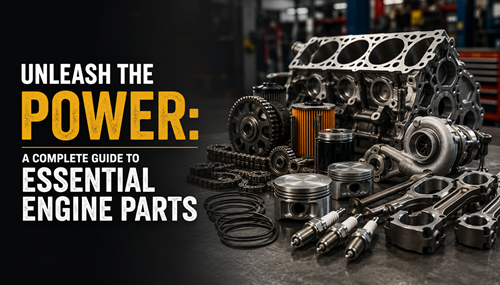 Unleash the Power: A Complete Guide to Essential Engine Parts
A comprehensive, expert-level guide that explains how car engines work by breaking down all essential components—from...Read more
Unleash the Power: A Complete Guide to Essential Engine Parts
A comprehensive, expert-level guide that explains how car engines work by breaking down all essential components—from...Read more -
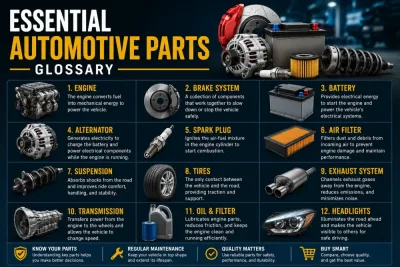 Essential Automotive Parts Glossary
For anyone diving into the world of automotive parts, understanding each component’s function is crucial. Here’s a...Read more
Essential Automotive Parts Glossary
For anyone diving into the world of automotive parts, understanding each component’s function is crucial. Here’s a...Read more -
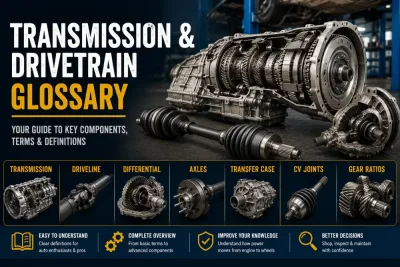 Transmission & Drivetrain Glossary
Here is an essential guide to key components in the transmission and drivetrain systems, providing a clear...Read more
Transmission & Drivetrain Glossary
Here is an essential guide to key components in the transmission and drivetrain systems, providing a clear...Read more -
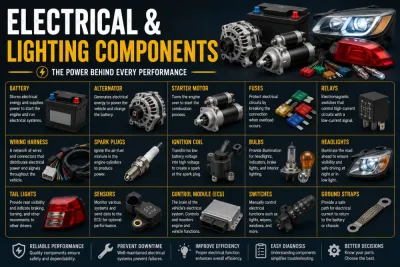 Electrical & Lighting Components
In automotive systems, electrical and lighting components are essential for visibility, safety, and functionality....Read more
Electrical & Lighting Components
In automotive systems, electrical and lighting components are essential for visibility, safety, and functionality....Read more -
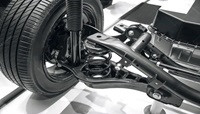 Suspension & Steering Glossary
The Suspension & Steering system ensures a smooth, stable ride by absorbing shocks and allowing control over the...Read more
Suspension & Steering Glossary
The Suspension & Steering system ensures a smooth, stable ride by absorbing shocks and allowing control over the...Read more
Leave a comment