
A practical guide to importing used heavy equipment from abroad — sources, shipping options, customs, inspection, and...
Latest posts
-
 How to Import Used Construction Machinery from Abroad: 2026 Buyer's GuideRead more
 -
 Caterpillar for Sale: Prices, Specs & Used Market Guide 2026Read more
A buyer's guide to used Caterpillar machines — the CAT 320-series excavators and road equipment, current price...
-
 Used Construction Machinery in the USA: 2026 Prices & Buyer's GuideRead more
A buyer's guide to used road construction and paving machinery from the USA — current price ranges, an inspection...
-
 Used Road Rollers & Compactors from China: 2026 Prices & Buyer's GuideRead more
A buyer's guide to recent, low-hour used road rollers and compactors sourced from China — what is available, current...
-
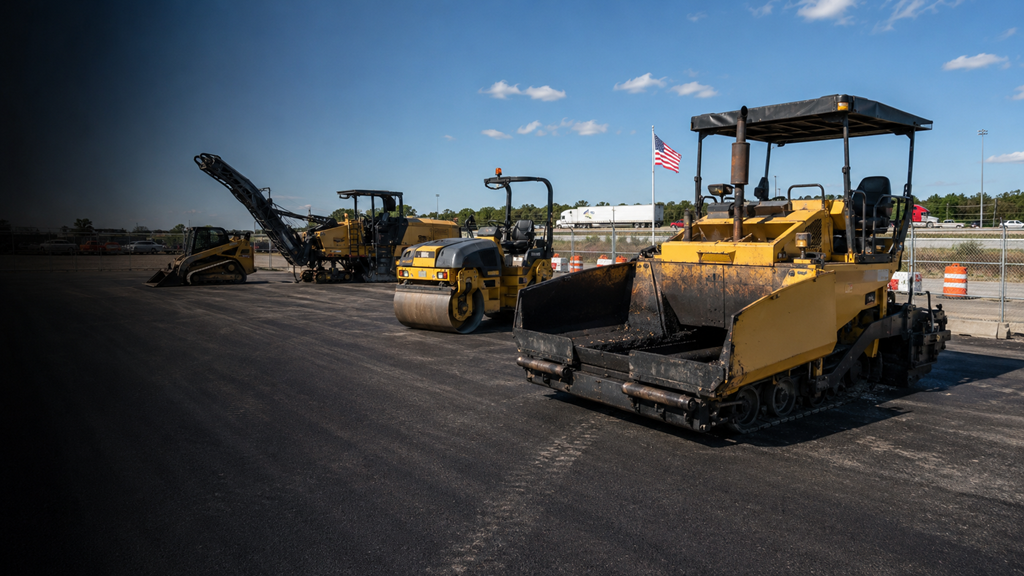 Used Asphalt & Paving Equipment in the USA: 2026 Prices & Buyer's GuideRead more
A practical buyer's guide to used asphalt and paving equipment sourced from the USA — what is available, current...
-
 Manitou MT 1840 Telehandler 2026: Current Prices, Specs, and Buyer’s GuideRead more
The Manitou MT 1840 has established itself as one of the most versatile and trusted telehandlers in the global...
-
 The Complete Guide to Massey Ferguson 240: Price, Specifications, and Global LegacyRead more
Massey Ferguson 240 sits in that sweet spot between light chores and real farm work. It’s part of the MF 200 series,...
-
 Ford Transit Box Truck for Sale: 2026 Buyer’s Guide for Small Business FleetsRead more
The Ford Transit box truck has long been a cornerstone of small business logistics, and in 2026 its position remains...
-
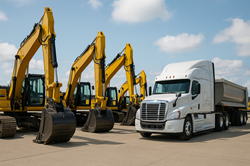 The Ultimate Guide to Buying Trucks & Excavators: Prices, Deals, and Insights for Contractors in the USA, UK, Canada, and AustraliaRead more
For contractors, fleet managers, farmers, and construction companies, investing in the right trucks and excavators...
-
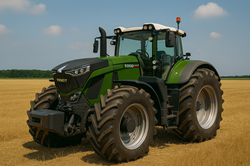 Fendt 1050 Vario Price 2026 & Full Specs: The Ultimate Buyer’s GuideRead more
In the world of high-horsepower agricultural machinery, few names carry as much weight as the Fendt 1050 Vario. Known...
Blog categories
- Automotive Parts (21) click
- Heavy Machinery & Equipment Parts (6)
- OEM vs. Aftermarket Parts (1)
- Maintenance & Repair Tips (0)
- Parts Compatibility & Cross-Referencing (0)
- Sustainability & Recycling (1)
- Industry News & Trends (2)
- Buyer & Seller Guides (59)
- Performance Upgrades & Modifications (0)
- Product Reviews & Comparisons (1)
Search in blog
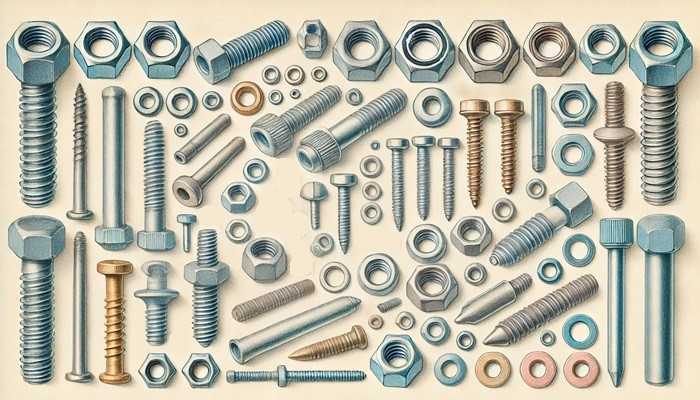
Common Auto Fasteners & Hardware Glossary
Fasteners and hardware play crucial roles in assembling and securing components across various applications, from automotive to construction. Here is a detailed glossary explaining each term in this category.
1. Bolt
A bolt is a threaded fastener with an external male thread, used with a corresponding nut to hold two or more parts together. Bolts typically require a pre-drilled hole and are tightened using a wrench.
2. Nut
A nut is a small, typically hexagonal piece with an internal thread that mates with a bolt or screw to fasten parts together securely.
3. Screw
A screw is a threaded fastener that can be driven directly into a material to secure parts together, usually without the need for a nut. They are commonly used for wood, metal, and plastic.
4. Washer
A washer is a flat, disc-shaped component placed between a bolt or screw head and the surface it fastens, distributing pressure and reducing wear on the surface.
5. Rivet
A rivet is a permanent mechanical fastener that consists of a smooth cylindrical shaft with a head on one end. It is commonly used in applications where welding is impractical, such as in aircraft and heavy equipment.
6. Spring Clip
A spring clip is a clip that provides tension to hold components in place, typically on shafts or rods, by snapping into a groove or slot.
7. Cotter Pin
A cotter pin is a bent metal pin that fits through a hole in a bolt or axle and is bent to secure the bolt in place, often used in mechanical or automotive applications to prevent loosening.
8. Stud
A stud is a threaded rod that is typically permanently fastened into one part, with the exposed end providing a mounting point for a nut, used in engines and machinery.
9. Lock Nut
A lock nut is a nut designed to prevent loosening due to vibration or torque, often featuring a nylon insert or other locking mechanism.
10. Retainer Clip
A retainer clip is a small metal clip that holds components in place, such as panels, trim, or wiring, without the need for screws or adhesives.
11. Speed Nut
A speed nut is a type of self-locking nut designed for quick assembly. It’s often used in automotive applications to hold panels or trim in place without requiring a standard threaded nut.
12. T-Bolt Clamp
A T-bolt clamp provides a high-strength clamping force, commonly used in heavy-duty applications such as securing hoses and ductwork.
13. U-Bolt
A U-bolt is a U-shaped bolt with threads on both ends, typically used to secure pipes or round objects to a flat surface.
14. Flange Nut
A flange nut is a nut with a wide flange at one end that distributes pressure and eliminates the need for a separate washer.
15. Split Washer
Also known as a lock washer, a split washer prevents nuts and bolts from loosening due to vibration by biting into the surfaces it fastens.
16. Flat Washer
A flat washer is a standard washer used to spread the load of a bolt or screw, protecting the surface material and reducing wear.
17. Rivet Nut
A rivet nut, or threaded insert, is installed in thin materials to provide a permanent threaded attachment point, often used when the material is too thin to tap threads directly.
18. Snap Ring
A snap ring is a circular fastener that snaps into a groove on a shaft or inside a bore, commonly used to retain components in assemblies like gears and bearings.
19. Toggle Bolt
A toggle bolt is a heavy-duty anchor for hollow walls, using a spring-loaded "toggle" mechanism that opens inside the wall to secure the bolt.
20. Anchor Bolt
An anchor bolt is used to attach structural elements to concrete, providing a strong, permanent attachment point in construction.
21. Carriage Bolt
A carriage bolt has a smooth, rounded head and a square section beneath the head to prevent rotation, typically used in wood applications.
22. Eye Bolt
An eye bolt has a loop or "eye" at one end, allowing for attachment of ropes or cables, commonly used in lifting or rigging applications.
23. Hex Nut
A hex nut is a six-sided nut used with a bolt or screw, one of the most common types of nuts used in fastening applications.
24. Wing Nut
A wing nut has two flat "wings" for easy hand tightening and loosening, often used in applications where adjustments are frequently made by hand.
25. Cap Screw
A cap screw is similar to a bolt but generally features a tighter tolerance for use in precise machine parts.
26. Wood Screw
Wood screws are specifically designed to penetrate wood, featuring a coarser thread than screws used for metal or plastic.
27. Machine Screw
A machine screw is a small-diameter screw typically used in metal or plastic, often with a pre-tapped hole.
28. Sheet Metal Screw
Sheet metal screws have sharp threads that allow them to cut into sheet metal, ideal for applications where a strong hold is needed in thin material.
29. Retaining Ring
A retaining ring is a ring-shaped fastener that snaps into a groove on a shaft or inside a bore to hold components in place.
30. Cable Tie
Cable ties are flexible, one-way fasteners used to bundle cables, wires, or other objects together securely, often used in electrical and automotive applications.
31. Hose Clamp
A hose clamp secures hoses over fittings, preventing fluid leakage by creating a tight seal around the hose.
32. Weld Nut
A weld nut is designed to be welded to another metal surface, providing a permanent threaded hole for bolts or screws.
33. Push Nut
A push nut is a one-way fastener that grips onto the shaft or rod, often used to secure wheels on axles without requiring threads.
34. Threaded Rod
A threaded rod is a long, straight metal rod with threads along its entire length, often used in construction and structural applications for securing parts together.
35. Lag Screw
A lag screw is a large, heavy-duty screw with a hex head, used for connecting heavy materials like wood or metal beams.
36. Countersunk Screw
A countersunk screw has a head designed to sit flush with or below the surface, used in applications where a smooth, finished surface is desired.
37. Blind Rivet
A blind rivet, or pop rivet, can be installed from one side of the workpiece, ideal for applications where only one side is accessible.
38. Safety Pin
A safety pin is a type of fastener that locks securely and can be removed easily, commonly used in farming or equipment trailers to secure parts.
39. Expansion Anchor
An expansion anchor secures objects to concrete or masonry by expanding within a drilled hole, providing a strong hold in heavy-duty applications.
40. Hex Key
A hex key, or Allen wrench, is a tool used to drive hexagonal socket screws, providing a tight fit and high torque.
41. Pop Rivet
A pop rivet is a type of blind rivet that expands when set, forming a head on the blind side of the material for secure fastening.
42. Pinion Nut
A pinion nut secures the pinion gear to the driveshaft, often used in automotive differentials.
43. Nylon Nut
A nylon nut, or nylock nut, has a nylon insert that prevents loosening, ideal for applications where vibration is an issue.
44. Shoulder Bolt
A shoulder bolt has a smooth, cylindrical section, or "shoulder," under the head, allowing parts to pivot or move along the shoulder.
45. Self-Tapping Screw
A self-tapping screw can cut its own threads as it is driven into materials, commonly used in sheet metal and plastic.
46. Tinnerman Nut
A Tinnerman nut is a self-locking nut used in automotive and appliance industries, often to secure sheet metal parts.
47. Lock Washer
A lock washer prevents nuts and bolts from loosening by applying pressure on the bolt head or nut.
48. Star Washer
A star washer has teeth that bite into the surface, preventing slippage or loosening due to vibrations.
49. Pal Nut
A Pal nut is a thin, stamped metal nut designed to prevent loosening by biting into the bolt threads.
50. Grease Fitting
A grease fitting, or Zerk fitting, provides a point for lubricating moving parts, such as bearings or bushings, to reduce wear and prolong life.
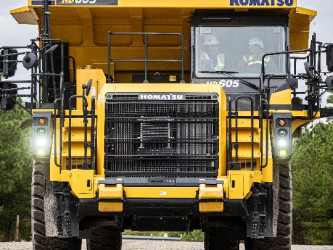
Related equipment for sale on AGGZ
Frequently asked questions
How much does used Excavators cost on AGGZ?
Prices depend on the year, operating hours and condition of each machine. Compare the current listings above to see real prices from sellers, then contact the seller directly.
What should I check when buying used Excavators?
Check the year of manufacture, operating hours or mileage, service and maintenance history, and overall condition. Arrange an inspection or request detailed photos before any payment.
Can I buy and export used Excavators from Turkey and abroad?
Yes. Many sellers on AGGZ ship internationally. Confirm shipping options, export documentation and payment terms directly with the seller before you buy.
Selling similar equipment?
List your machinery on AGGZ and reach buyers searching for Excavators, trucks, spare parts and industrial equipment.
Posted in:
Automotive Parts
Related posts
-
 Unleash the Power: A Complete Guide to Essential Engine Parts
A comprehensive, expert-level guide that explains how car engines work by breaking down all essential components—from...Read more
Unleash the Power: A Complete Guide to Essential Engine Parts
A comprehensive, expert-level guide that explains how car engines work by breaking down all essential components—from...Read more -
 Essential Automotive Parts Glossary
For anyone diving into the world of automotive parts, understanding each component’s function is crucial. Here’s a...Read more
Essential Automotive Parts Glossary
For anyone diving into the world of automotive parts, understanding each component’s function is crucial. Here’s a...Read more -
 Transmission & Drivetrain Glossary
Here is an essential guide to key components in the transmission and drivetrain systems, providing a clear...Read more
Transmission & Drivetrain Glossary
Here is an essential guide to key components in the transmission and drivetrain systems, providing a clear...Read more -
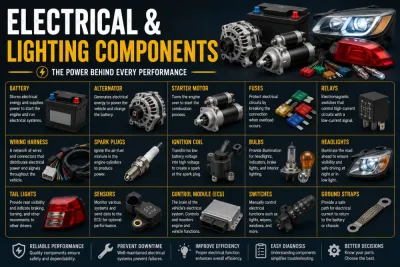 Electrical & Lighting Components
In automotive systems, electrical and lighting components are essential for visibility, safety, and functionality....Read more
Electrical & Lighting Components
In automotive systems, electrical and lighting components are essential for visibility, safety, and functionality....Read more -
 Suspension & Steering Glossary
The Suspension & Steering system ensures a smooth, stable ride by absorbing shocks and allowing control over the...Read more
Suspension & Steering Glossary
The Suspension & Steering system ensures a smooth, stable ride by absorbing shocks and allowing control over the...Read more
Leave a comment