
A practical guide to importing used heavy equipment from abroad — sources, shipping options, customs, inspection, and...
Latest posts
-
 How to Import Used Construction Machinery from Abroad: 2026 Buyer's GuideRead more
 -
 Caterpillar for Sale: Prices, Specs & Used Market Guide 2026Read more
A buyer's guide to used Caterpillar machines — the CAT 320-series excavators and road equipment, current price...
-
 Used Construction Machinery in the USA: 2026 Prices & Buyer's GuideRead more
A buyer's guide to used road construction and paving machinery from the USA — current price ranges, an inspection...
-
 Used Road Rollers & Compactors from China: 2026 Prices & Buyer's GuideRead more
A buyer's guide to recent, low-hour used road rollers and compactors sourced from China — what is available, current...
-
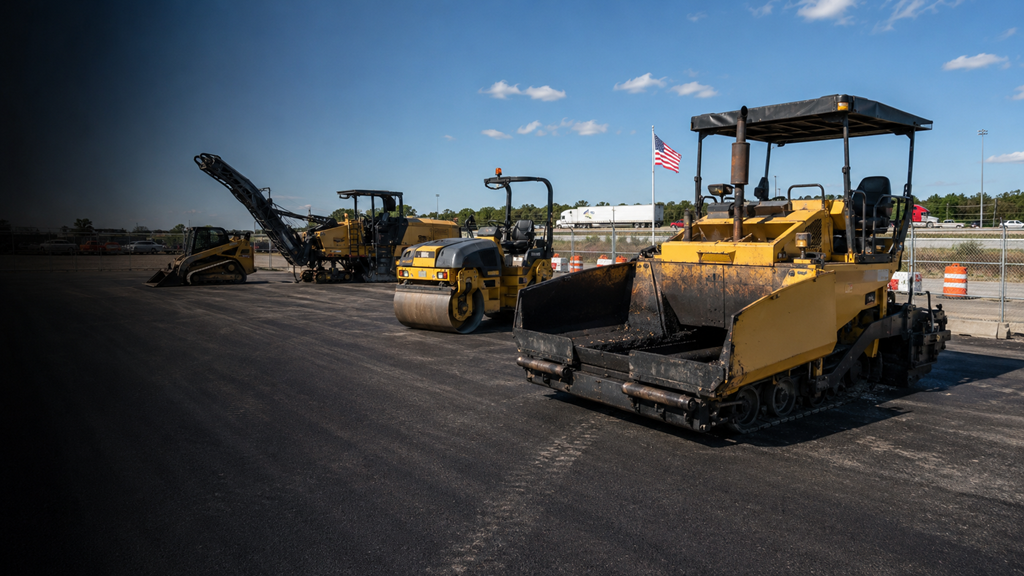 Used Asphalt & Paving Equipment in the USA: 2026 Prices & Buyer's GuideRead more
A practical buyer's guide to used asphalt and paving equipment sourced from the USA — what is available, current...
-
 Manitou MT 1840 Telehandler 2026: Current Prices, Specs, and Buyer’s GuideRead more
The Manitou MT 1840 has established itself as one of the most versatile and trusted telehandlers in the global...
-
 The Complete Guide to Massey Ferguson 240: Price, Specifications, and Global LegacyRead more
Massey Ferguson 240 sits in that sweet spot between light chores and real farm work. It’s part of the MF 200 series,...
-
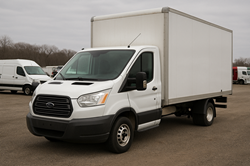 Ford Transit Box Truck for Sale: 2026 Buyer’s Guide for Small Business FleetsRead more
The Ford Transit box truck has long been a cornerstone of small business logistics, and in 2026 its position remains...
-
 The Ultimate Guide to Buying Trucks & Excavators: Prices, Deals, and Insights for Contractors in the USA, UK, Canada, and AustraliaRead more
For contractors, fleet managers, farmers, and construction companies, investing in the right trucks and excavators...
-
 Fendt 1050 Vario Price 2026 & Full Specs: The Ultimate Buyer’s GuideRead more
In the world of high-horsepower agricultural machinery, few names carry as much weight as the Fendt 1050 Vario. Known...
Blog categories
- Automotive Parts (21) click
- Heavy Machinery & Equipment Parts (6)
- OEM vs. Aftermarket Parts (1)
- Maintenance & Repair Tips (0)
- Parts Compatibility & Cross-Referencing (0)
- Sustainability & Recycling (1)
- Industry News & Trends (2)
- Buyer & Seller Guides (59)
- Performance Upgrades & Modifications (0)
- Product Reviews & Comparisons (1)
Search in blog

Pre-ELD Trucks: Insights, Advantages, and Essential Buying Tips in the Modern Trucking Industry
The Electronic Logging Device (ELD) mandate, implemented by the Federal Motor Carrier Safety Administration (FMCSA), has significantly transformed the trucking industry. This regulation requires commercial motor vehicle drivers to use ELDs to record their hours of service (HOS), aiming to enhance road safety and ensure compliance with HOS regulations. However, trucks manufactured before the year 2000 are exempt from this requirement, leading to a growing interest in pre-ELD trucks among buyers. This article explores the history and implications of the ELD mandate, the advantages of pre-ELD trucks, provides a buyer's guide for those interested in acquiring such vehicles, and discusses the future prospects of pre-ELD trucks in the industry.
Introduction: Brief History of the ELD Mandate and Its Implications
The ELD mandate's origins can be traced back to the early 2000s when concerns about driver fatigue and inaccurate HOS reporting prompted regulatory action. In 2012, the U.S. Congress enacted the "Moving Ahead for Progress in the 21st Century" (MAP-21) bill, which directed the FMCSA to develop regulations requiring the use of ELDs. The final rule was published on December 16, 2015, with a phased implementation plan:
- Phase 1 (February 16, 2016 – December 18, 2017): Awareness and transition phase, allowing carriers to prepare for compliance.
- Phase 2 (December 18, 2017 – December 16, 2019): Compliance phase requiring the use of ELDs or grandfathered Automatic On-Board Recording Devices (AOBRDs).
- Phase 3 (December 16, 2019, onwards): Full compliance phase mandating the use of certified ELDs for all applicable drivers.
The primary objective of the ELD mandate is to improve road safety by ensuring accurate tracking of driving hours, thereby reducing instances of driver fatigue-related accidents. However, the mandate includes specific exemptions, notably for vehicles manufactured before the year 2000, due to the absence of compatible engine control modules (ECMs) in older models.
Features: Key Advantages of Pre-ELD Trucks
Pre-ELD trucks, typically those manufactured before 2000, offer several advantages that make them appealing to certain buyers:
-
Exemption from ELD Requirements: The most significant advantage is the exemption from the ELD mandate, allowing drivers to use traditional paper logs for HOS tracking.
-
Simplified Technology: Older trucks often feature less complex electronic systems, making them easier and less expensive to repair and maintain.
-
Lower Acquisition Costs: Pre-ELD trucks are generally more affordable upfront compared to newer models equipped with advanced technology.
-
Familiarity for Drivers: Experienced drivers may prefer the mechanical systems of older trucks, which they find more straightforward to operate and troubleshoot.
-
Avoidance of ELD-Related Issues: By not requiring ELDs, owners avoid potential technical issues, compliance concerns, and associated costs related to ELD implementation and maintenance.
Buyer’s Guide: Tips for Finding and Evaluating Pre-ELD Trucks
When considering the purchase of a pre-ELD truck, it's essential to conduct thorough research and evaluation to ensure a sound investment. Here are key steps to follow:
-
Verify Manufacturing Date: Ensure the truck was manufactured before 2000 to qualify for the ELD exemption. Check the Vehicle Identification Number (VIN) and consult manufacturer records if necessary.
-
Assess Mechanical Condition: Due to their age, pre-ELD trucks may have higher mileage and wear. Conduct a comprehensive inspection focusing on the engine, transmission, suspension, and braking systems.
-
Review Maintenance History: Obtain detailed maintenance records to understand the truck's service history and identify any recurring issues.
-
Consider Parts Availability: Ensure that replacement parts are readily available and assess the potential costs of future repairs.
-
Evaluate Emissions Compliance: Be aware of environmental regulations, as older trucks may not meet current emissions standards, potentially limiting their operational areas.
-
Consult with Experts: Engage with mechanics experienced in older truck models and consider obtaining a professional inspection before finalizing the purchase.
Conclusion: The Future of Pre-ELD Trucks in the Industry
While pre-ELD trucks offer certain advantages, their future in the trucking industry faces challenges. Increasing environmental regulations may impose restrictions on older vehicles due to higher emissions. Additionally, advancements in technology and safety standards are leading to a gradual phase-out of older models. Prospective buyers should weigh the benefits against potential limitations and consider long-term viability when investing in pre-ELD trucks.
In summary, understanding the implications of the ELD mandate, recognizing the advantages of pre-ELD trucks, and conducting diligent evaluations are crucial steps for buyers considering these vehicles. Staying informed about industry trends and regulatory changes will aid in making well-informed decisions in this evolving landscape.
Related equipment for sale on AGGZ
| Machine | Year | Location | Price | |
|---|---|---|---|---|
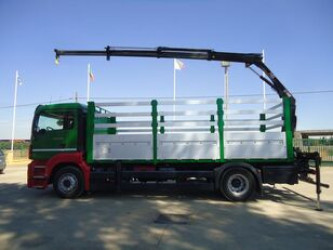 2010 MAN TGM 18 290 Flatbed Truck with Hiab 066 Crane - 331 HP - Spain
|
2010 | Spain | — | View |
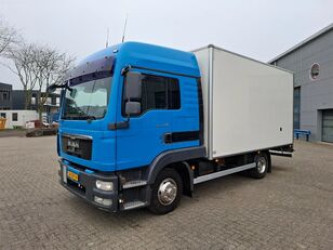 2009 MAN TGL8.220 / NL TRUCK / TUV:20-10-2026 / ONLY:474226 KM / CLEAN TR box truck - 220 HP - Netherlands
|
2009 | Netherlands | $11,500.00 | View |
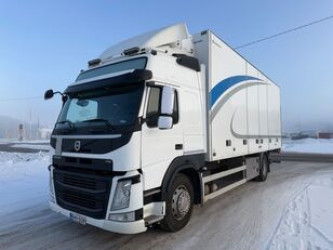 2014 Volvo FM330 4x2 E6 Carrier-cooler 7.7m box refrigerated truck - 330 HP - Finland
|
2014 | Finland | $18,900.00 | View |
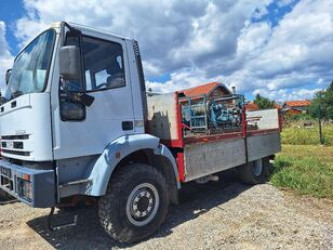 1997 IVECO 95E21 WINCH flatbed truck - 625 HP - Croatia
|
1997 | Croatia | $15,500.00 | View |
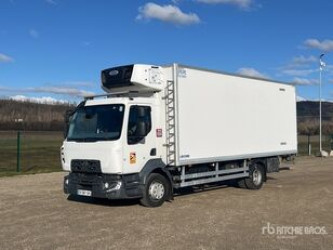 2018 Renault D12 refrigerated truck - France
|
2018 | France | — | View |
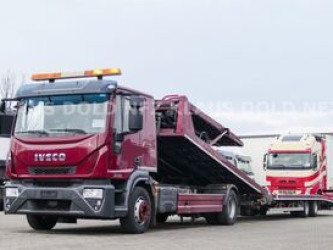 2019 IVECO ZAT 100 tow truck - 320 HP - Germany
|
2019 | Germany | $39,900.00 | View |
Frequently asked questions
How much does used Trucks cost on AGGZ?
Prices depend on the year, operating hours and condition of each machine. Compare the current listings above to see real prices from sellers, then contact the seller directly.
What should I check when buying used Trucks?
Check the year of manufacture, operating hours or mileage, service and maintenance history, and overall condition. Arrange an inspection or request detailed photos before any payment.
Can I buy and export used Trucks from Turkey and abroad?
Yes. Many sellers on AGGZ ship internationally. Confirm shipping options, export documentation and payment terms directly with the seller before you buy.
Selling similar equipment?
List your machinery on AGGZ and reach buyers searching for Trucks, trucks, spare parts and industrial equipment.
Posted in:
Buyer & Seller Guides
Related posts
-
How to Import Used Construction Machinery from Abroad: 2026 Buyer's Guide
A practical guide to importing used heavy equipment from abroad — sources, shipping options, customs, inspection, and...Read more
-
Caterpillar for Sale: Prices, Specs & Used Market Guide 2026
A buyer's guide to used Caterpillar machines — the CAT 320-series excavators and road equipment, current price...Read more
-
Used Construction Machinery in the USA: 2026 Prices & Buyer's Guide
A buyer's guide to used road construction and paving machinery from the USA — current price ranges, an inspection...Read more
-
Used Road Rollers & Compactors from China: 2026 Prices & Buyer's Guide
A buyer's guide to recent, low-hour used road rollers and compactors sourced from China — what is available, current...Read more
-
Used Asphalt & Paving Equipment in the USA: 2026 Prices & Buyer's Guide
A practical buyer's guide to used asphalt and paving equipment sourced from the USA — what is available, current...Read more
Leave a comment