
A buyer's guide to used road rollers and compactors listed in Poland: what is available, current prices, what to...
Latest posts
-
 Used Road Rollers & Compactors in Poland: 2026 Prices & Buyer's GuideRead more
 -
 How to Import Used Construction Machinery from Abroad: 2026 Buyer's GuideRead more
A practical guide to importing used heavy equipment from abroad — sources, shipping options, customs, inspection, and...
-
 Caterpillar for Sale: Prices, Specs & Used Market Guide 2026Read more
A buyer's guide to used Caterpillar machines — the CAT 320-series excavators and road equipment, current price...
-
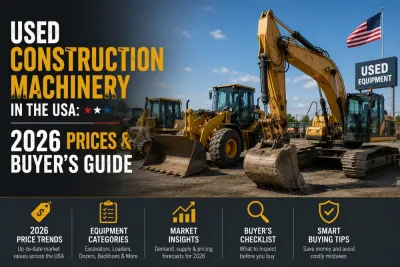 Used Construction Machinery in the USA: 2026 Prices & Buyer's GuideRead more
A buyer's guide to used road construction and paving machinery from the USA — current price ranges, an inspection...
-
 Used Road Rollers & Compactors from China: 2026 Prices & Buyer's GuideRead more
A buyer's guide to recent, low-hour used road rollers and compactors sourced from China — what is available, current...
-
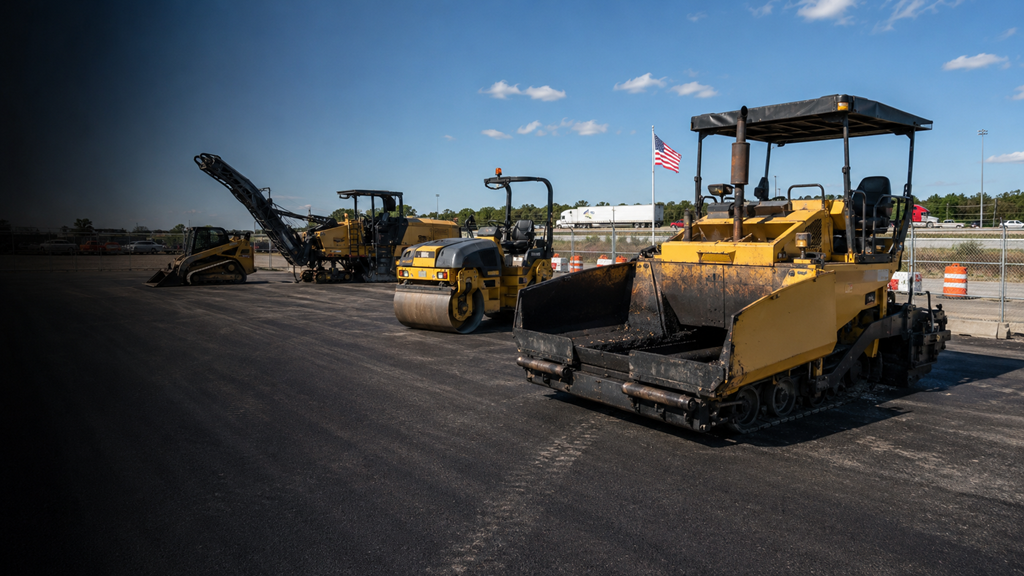 Used Asphalt & Paving Equipment in the USA: 2026 Prices & Buyer's GuideRead more
A practical buyer's guide to used asphalt and paving equipment sourced from the USA — what is available, current...
-
 Manitou MT 1840 Telehandler 2026: Current Prices, Specs, and Buyer’s GuideRead more
The Manitou MT 1840 has established itself as one of the most versatile and trusted telehandlers in the global...
-
 The Complete Guide to Massey Ferguson 240: Price, Specifications, and Global LegacyRead more
Massey Ferguson 240 sits in that sweet spot between light chores and real farm work. It’s part of the MF 200 series,...
-
 Ford Transit Box Truck for Sale: 2026 Buyer’s Guide for Small Business FleetsRead more
The Ford Transit box truck has long been a cornerstone of small business logistics, and in 2026 its position remains...
-
 The Ultimate Guide to Buying Trucks & Excavators: Prices, Deals, and Insights for Contractors in the USA, UK, Canada, and AustraliaRead more
For contractors, fleet managers, farmers, and construction companies, investing in the right trucks and excavators...
Blog categories
- Automotive Parts (21) click
- Heavy Machinery & Equipment Parts (6)
- OEM vs. Aftermarket Parts (1)
- Maintenance & Repair Tips (0)
- Parts Compatibility & Cross-Referencing (0)
- Sustainability & Recycling (1)
- Industry News & Trends (2)
- Buyer & Seller Guides (60)
- Performance Upgrades & Modifications (0)
- Product Reviews & Comparisons (1)
Search in blog
Truck Prices in 2026: What Buyers in the U.S. Need to Know Before They Invest
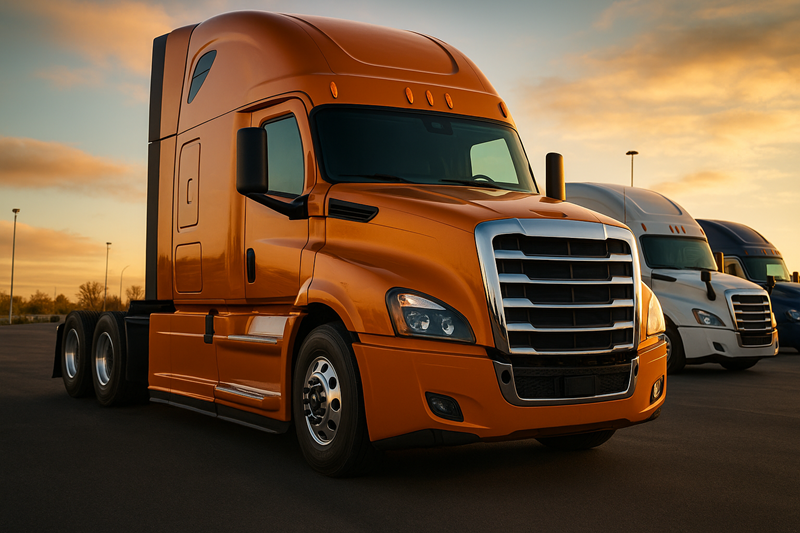
In 2026, the commercial truck market in the United States is undergoing a significant transformation, driven by regulatory pressure, technological innovation, and shifting demand patterns. For business owners, fleet operators, and independent owner-operators, understanding current truck pricing has become more important than ever. Volatile fuel costs, the expanding footprint of electric trucks, and tightening emissions laws are all factors contributing to pricing variability across light-duty, medium-duty, and heavy-duty trucks. Making the right investment today means balancing upfront costs with long-term total cost of ownership, operational efficiency, and compliance with environmental standards that are no longer optional but mandatory.
The biggest market factor shaping truck prices in 2026 is the impact of new emissions regulations, particularly for Class 6 through Class 8 trucks. Following updated EPA guidelines rolled out in 2024, diesel-powered trucks must now meet stricter NOx and CO₂ emission thresholds, driving manufacturers to invest in cleaner powertrains, which in turn inflates their production and sale prices. Simultaneously, rising fuel costs in the past two quarters linked to global oil market instability have made electric and hybrid trucks more attractive, although their initial purchase price remains significantly higher. Many buyers are finding themselves caught in a balancing act between the affordability of diesel and the long-term promise of lower operating costs with EVs.
For light-duty trucks, which are often used in construction, delivery, and utility sectors, 2026 prices are seeing moderate increases, mainly driven by labor costs and component shortages. A new light-duty pickup like the Ford F-150 or RAM 1500 now typically starts between $42,000 and $65,000 depending on configuration, engine choice, and trim level. Electrified versions like the Ford F-150 Lightning command a premium, starting at $58,000 and extending above $80,000 with extended range and advanced autonomy packages.
Medium-duty trucks, spanning Class 4 to Class 6, have experienced steeper pricing shifts. A standard box truck, flatbed, or utility chassis in this segment can now range from $75,000 to $125,000 new. The increased use of telematics, better driver-assist features, and demand for cleaner emissions packages are major contributors. Brands like Isuzu, Freightliner (with the M2 106), and International remain dominant, with several now offering electric alternatives that qualify for federal or state incentives, lowering their net acquisition cost.
Heavy-duty trucks, especially those in Class 7 and Class 8, have seen the sharpest price evolution. A new Class 8 sleeper cab truck from Freightliner, Kenworth, or Peterbilt typically starts at $165,000, while more advanced models can exceed $220,000. Tesla’s Semi truck, now in broader production, is listed at around $200,000 for the base model with limited incentives in some states for EV purchases. Buyers need to consider not just the purchase cost but also charging infrastructure, technician training, and insurance costs that differ from diesel models.
Used truck values have also surged due to limited new inventory in 2023–2024 and increased demand in logistics. A 3- to 5-year-old Class 8 truck with reasonable mileage can fetch between $85,000 and $120,000 depending on brand and condition. For smaller fleets and owner-operators, used trucks remain a lifeline to keep operations going amid supply shortages.
The most sought-after truck brands in the U.S. remain Ford, RAM, Freightliner, Kenworth, Peterbilt, and Volvo for diesel platforms, with Tesla, Nikola, and Lion Electric gaining ground in the electric segment. Ford continues to lead the light-duty segment, while Freightliner dominates medium and heavy-duty applications. The Tesla Semi has sparked interest in urban distribution fleets, though adoption is still early-stage outside of major logistics companies.
When considering a truck purchase in 2026, buyers should weigh not only the base price but also financing offers, which remain favorable with rates between 4.5% and 6% for commercial buyers with strong credit. Warranties have become more robust, especially for electric trucks, with standard powertrain coverage extending up to 500,000 miles in some cases. Federal tax incentives under the updated IRS Section 179 allow businesses to deduct a significant portion of vehicle purchase costs, especially for equipment under 14,000 lbs GVWR. Combined with depreciation schedules and state-level grants for electric or hybrid vehicles, the true cost of ownership may be lower than sticker prices suggest.
Frequently Asked Questions: U.S. Truck Pricing in 2026
What is the average price of a new Class 8 truck in 2026?
As of mid-2026, the average base price of a new Class 8 sleeper cab truck is around $185,000. Premium configurations, especially those with advanced safety, navigation, and comfort features, can push the cost over $220,000. Buyers should also consider add-ons like adaptive cruise control, lane assist, and collision mitigation systems, which are becoming standard in many fleets.
Are electric trucks cheaper in the long run?
Electric trucks often have higher upfront costs anywhere from 20% to 40% more than their diesel equivalents but their operating costs are significantly lower. With fewer moving parts, no oil changes, and reduced brake wear due to regenerative braking, maintenance expenses are lower. Electricity is also more stable in cost compared to diesel. Many fleets report total cost of ownership parity within three to five years, especially when combined with grants and fuel savings.
What’s the best month to buy a truck in the U.S.?
Historically, (late Q3 and early Q4) September to November have been the most favorable times for buyers. Dealers aim to hit year-end targets, and manufacturers offer incentives to clear inventory before the new model year begins. However, with ongoing supply chain unpredictability, it’s advisable to monitor availability and act swiftly when the right configuration is in stock.
How do 2026 truck prices compare to 2024?
Truck prices in 2026 have increased by an average of 6% to 9% over 2024 levels, depending on the class. The steepest hikes are in the medium and heavy-duty segments, driven by inflation, regulatory compliance costs, and higher demand. While supply chains have improved, component costs and labor remain expensive.
Is now a good time to buy a used truck?
Used trucks remain in high demand, keeping resale prices elevated. However, this also signals that they retain value well. For operators needing a reliable unit without the budget for a new purchase, used trucks under 5 years old with documented maintenance histories are still a smart investment. Be sure to verify emissions compliance based on your state’s current laws.
Should I lease or buy a truck in 2026?
Leasing has become more attractive in 2026 for businesses that prefer lower upfront costs, flexibility, and less concern over resale. It also provides an easier path to upgrade to new technology more frequently. However, ownership offers better equity, especially for high-mileage trucks that remain profitable beyond their lease terms.
Do federal or state incentives apply to truck purchases in 2026?
Yes, especially for EVs and alternative-fuel trucks. The federal government offers clean vehicle tax credits, while many states (California, New York, Oregon, etc.) have their own incentive programs. These can reduce the net purchase price by $15,000–$40,000 depending on the truck’s weight class and fuel type.
How much does it cost to insure a heavy-duty truck in 2026?
Insurance premiums for Class 8 trucks in 2026 average between $12,000 and $16,000 annually, depending on location, driver history, and use case. Electric trucks may cost slightly more to insure due to repair costs and lack of historical data, but the gap is narrowing as more units enter the road.
What should I consider when financing a fleet of trucks?
Fleet buyers should consider group discounts, manufacturer rebates, and long-term maintenance contracts. Many banks and leasing companies offer structured financing over 60 to 84 months. It’s critical to assess residual value, warranty duration, and interest rates to maximize ROI.
Can I still buy diesel trucks in the U.S. in 2026?
Yes, diesel trucks are still widely available and remain the backbone of long-haul logistics. However, stricter emissions requirements may limit where they can operate, especially in urban low-emission zones. Buyers should ensure any diesel trucks purchased meet EPA 2026 standards or face future retrofit costs.
Are hybrid trucks available in 2026?
Hybrid options have expanded in the light and medium-duty markets. Brands like Ford and Hino are offering plug-in hybrids or regenerative systems that enhance fuel efficiency. They’re ideal for stop-and-go routes, urban deliveries, and mixed-use operations where full EV range may still be a constraint.
Related equipment for sale on AGGZ
| Machine | Year | Location | Price | |
|---|---|---|---|---|
 1997 IVECO 95E21 WINCH flatbed truck - 625 HP - Croatia
|
1997 | Croatia | $15,500.00 | View |
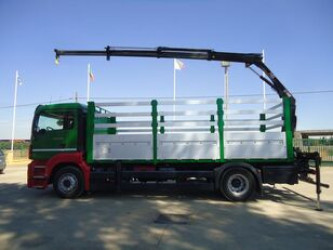 2010 MAN TGM 18 290 Flatbed Truck with Hiab 066 Crane - 331 HP - Spain
|
2010 | Spain | — | View |
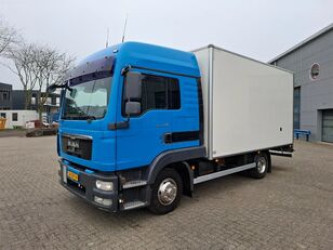 2009 MAN TGL8.220 / NL TRUCK / TUV:20-10-2026 / ONLY:474226 KM / CLEAN TR box truck - 220 HP - Netherlands
|
2009 | Netherlands | $11,500.00 | View |
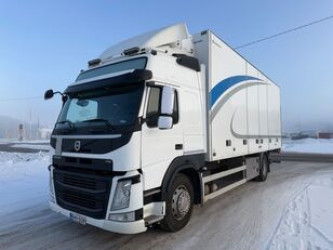 2014 Volvo FM330 4x2 E6 Carrier-cooler 7.7m box refrigerated truck - 330 HP - Finland
|
2014 | Finland | $18,900.00 | View |
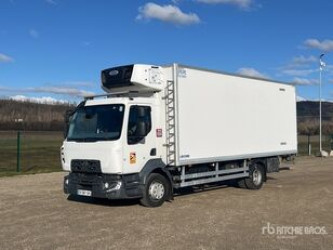 2018 Renault D12 refrigerated truck - France
|
2018 | France | — | View |
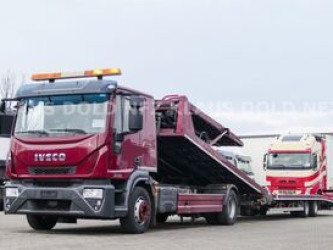 2019 IVECO ZAT 100 tow truck - 320 HP - Germany
|
2019 | Germany | $39,900.00 | View |
Frequently asked questions
How much does used Trucks cost on AGGZ?
Prices depend on the year, operating hours and condition of each machine. Compare the current listings above to see real prices from sellers, then contact the seller directly.
What should I check when buying used Trucks?
Check the year of manufacture, operating hours or mileage, service and maintenance history, and overall condition. Arrange an inspection or request detailed photos before any payment.
Can I buy and export used Trucks from Turkey and abroad?
Yes. Many sellers on AGGZ ship internationally. Confirm shipping options, export documentation and payment terms directly with the seller before you buy.
Selling similar equipment?
List your machinery on AGGZ and reach buyers searching for Trucks, trucks, spare parts and industrial equipment.
Posted in:
Buyer & Seller Guides
Related posts
-
Used Road Rollers & Compactors in Poland: 2026 Prices & Buyer's Guide
A buyer's guide to used road rollers and compactors listed in Poland: what is available, current prices, what to...Read more
-
How to Import Used Construction Machinery from Abroad: 2026 Buyer's Guide
A practical guide to importing used heavy equipment from abroad — sources, shipping options, customs, inspection, and...Read more
-
Caterpillar for Sale: Prices, Specs & Used Market Guide 2026
A buyer's guide to used Caterpillar machines — the CAT 320-series excavators and road equipment, current price...Read more
-
Used Construction Machinery in the USA: 2026 Prices & Buyer's Guide
A buyer's guide to used road construction and paving machinery from the USA — current price ranges, an inspection...Read more
-
Used Road Rollers & Compactors from China: 2026 Prices & Buyer's Guide
A buyer's guide to recent, low-hour used road rollers and compactors sourced from China — what is available, current...Read more
Leave a comment