
A buyer's guide to used road rollers and compactors listed in Poland: what is available, current prices, what to...
Latest posts
-
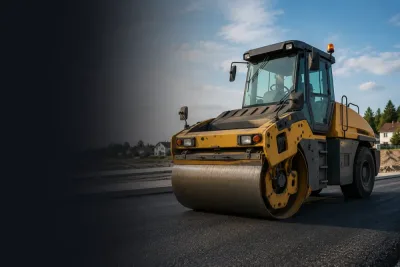 Used Road Rollers & Compactors in Poland: 2026 Prices & Buyer's GuideRead more
 -
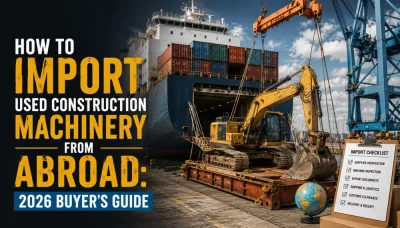 How to Import Used Construction Machinery from Abroad: 2026 Buyer's GuideRead more
A practical guide to importing used heavy equipment from abroad — sources, shipping options, customs, inspection, and...
-
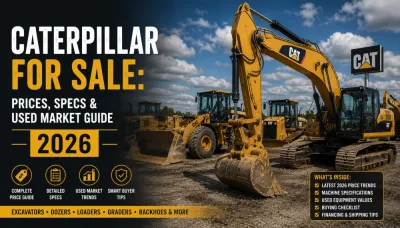 Caterpillar for Sale: Prices, Specs & Used Market Guide 2026Read more
A buyer's guide to used Caterpillar machines — the CAT 320-series excavators and road equipment, current price...
-
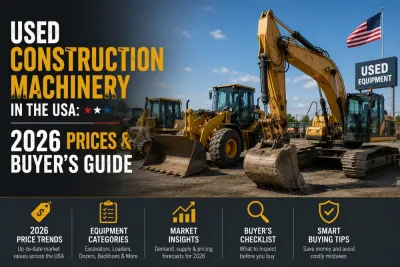 Used Construction Machinery in the USA: 2026 Prices & Buyer's GuideRead more
A buyer's guide to used road construction and paving machinery from the USA — current price ranges, an inspection...
-
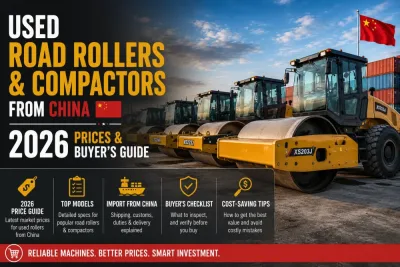 Used Road Rollers & Compactors from China: 2026 Prices & Buyer's GuideRead more
A buyer's guide to recent, low-hour used road rollers and compactors sourced from China — what is available, current...
-
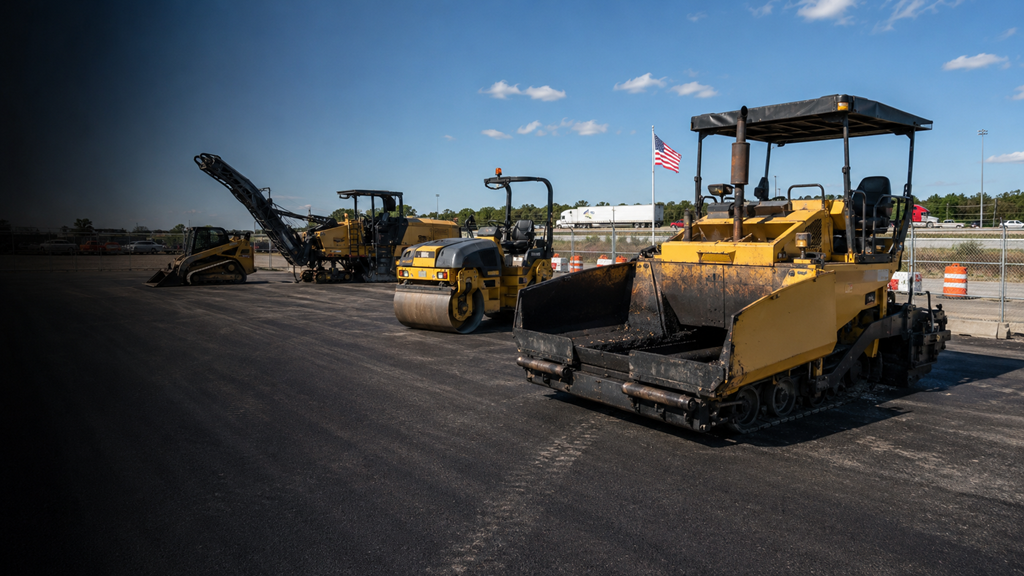 Used Asphalt & Paving Equipment in the USA: 2026 Prices & Buyer's GuideRead more
A practical buyer's guide to used asphalt and paving equipment sourced from the USA — what is available, current...
-
 Manitou MT 1840 Telehandler 2026: Current Prices, Specs, and Buyer’s GuideRead more
The Manitou MT 1840 has established itself as one of the most versatile and trusted telehandlers in the global...
-
 The Complete Guide to Massey Ferguson 240: Price, Specifications, and Global LegacyRead more
Massey Ferguson 240 sits in that sweet spot between light chores and real farm work. It’s part of the MF 200 series,...
-
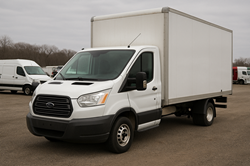 Ford Transit Box Truck for Sale: 2026 Buyer’s Guide for Small Business FleetsRead more
The Ford Transit box truck has long been a cornerstone of small business logistics, and in 2026 its position remains...
-
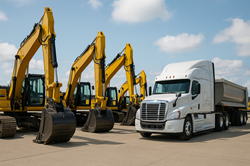 The Ultimate Guide to Buying Trucks & Excavators: Prices, Deals, and Insights for Contractors in the USA, UK, Canada, and AustraliaRead more
For contractors, fleet managers, farmers, and construction companies, investing in the right trucks and excavators...
Blog categories
- Automotive Parts (21) click
- Heavy Machinery & Equipment Parts (6)
- OEM vs. Aftermarket Parts (1)
- Maintenance & Repair Tips (0)
- Parts Compatibility & Cross-Referencing (0)
- Sustainability & Recycling (1)
- Industry News & Trends (2)
- Buyer & Seller Guides (60)
- Performance Upgrades & Modifications (0)
- Product Reviews & Comparisons (1)
Search in blog
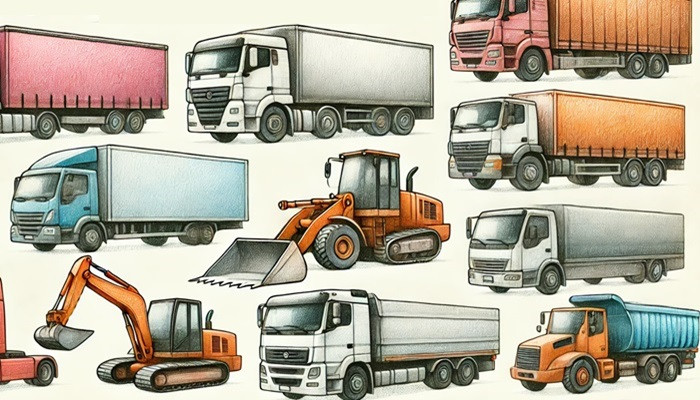
Comprehensive Guide to Commercial Vehicles and Related Systems
This guide provides an in-depth overview of commercial vehicles and associated concepts. It covers various vehicle types, from light to heavy-duty trucks, specialized vehicles, and electric commercial options, alongside essential aspects like fleet management, vehicle safety, maintenance, compliance, and logistics. The resource also delves into modern technologies like GPS tracking, telematics, and hybrid engines, as well as key logistics processes, including warehousing, cross-border transportation, and emission standards like Euro 6. Ideal for industry professionals, this guide ensures a clear understanding of commercial vehicle operations and systems.
- Commercial Vehicles: Vehicles used for transporting goods or passengers for business purposes.
- Heavy-Duty Trucks: Large trucks designed for heavy loads and long distances.
- Light Commercial Vehicles (LCVs): Smaller vehicles for goods/passenger transport under 3.5 tons.
- Medium-Duty Trucks: Trucks used for moderate load transport, between light and heavy-duty.
- Heavy-Duty Vehicles (HDVs): Vehicles built for industrial-grade transportation tasks.
- Cargo Transport: Movement of goods via vehicles.
- Freight Trucks: Trucks used for large goods shipments.
- Fleet Management: Monitoring and managing vehicle fleets for businesses.
- Box Trucks: Enclosed trucks for secure cargo transport.
- Delivery Vans: Vans for delivering goods to customers.
- Refrigerated Trucks: Trucks with temperature control for perishable goods.
- Pickup Trucks: Small trucks with open cargo areas.
- Flatbed Trucks: Trucks with a flat platform for oversized goods.
- Tanker Trucks: Trucks for transporting liquids or gases.
- Dump Trucks: Trucks for carrying and unloading loose materials.
- Tipper Trucks: Similar to dump trucks; unload by tilting cargo beds.
- Articulated Vehicles: Vehicles with pivoting joints for better maneuverability.
- Long-Haul Trucks: Trucks for extended trips and cargo delivery.
- Trailer Trucks: Trucks towing detachable trailers.
- Mini Trucks: Small trucks for local goods transport.
- Passenger Vans: Vans designed to carry multiple passengers.
- Transit Buses: Buses for public transport on fixed routes.
- Coaches: Comfortable buses for long-distance travel.
- School Buses: Buses for student transport.
- Shuttle Buses: Buses for short-distance repetitive routes.
- Semi-Trailers: Trailers without front axles, attached to trucks.
- Tractor Units: The front part of semi-trailer trucks.
- Utility Vehicles: Vehicles for specialized tasks like maintenance.
- All-Terrain Vehicles (ATVs): Compact vehicles for rough terrains.
- Construction Vehicles: Vehicles for construction site tasks.
- Mining Trucks: Large trucks used in mining operations.
- Road Tankers: Tanker trucks for bulk liquid transport.
- Haulage Trucks: Trucks designed for heavy freight transport.
- Garbage Trucks: Trucks for waste collection and disposal.
- Crane Trucks: Trucks equipped with cranes for lifting.
- Recovery Vehicles: Vehicles for towing or recovering broken vehicles.
- Tow Trucks: Trucks for moving disabled or illegally parked vehicles.
- Concrete Mixers: Trucks for mixing and transporting concrete.
- Ambulances: Emergency vehicles for transporting patients.
- Fire Trucks: Specialized trucks for firefighting.
- Specialized Vehicles: Vehicles designed for specific tasks.
- Livestock Trucks: Trucks for animal transportation.
- Logging Trucks: Trucks for hauling timber.
- Parcel Delivery Vehicles: Vehicles for package delivery.
- Postal Trucks: Vehicles used by postal services.
- Municipal Vehicles: Vehicles for city maintenance and services.
- Service Trucks: Trucks equipped for repair and maintenance tasks.
- Highway Maintenance Vehicles: Vehicles for road repair and upkeep.
- Cargo Vans: Vans for small to medium cargo transport.
- Electric Commercial Vehicles: Environment-friendly, battery-powered commercial vehicles.
- Hybrid Commercial Vehicles: Vehicles combining internal combustion engines with electric motors.
- Diesel Trucks: Trucks powered by diesel engines.
- Gasoline Trucks: Trucks running on petrol/gasoline engines.
- Hydrogen Fuel Cell Trucks: Trucks powered by hydrogen fuel cells, emitting water.
- Vehicle Leasing: Renting vehicles for long-term use with payment plans.
- Vehicle Rentals: Short-term rental services for vehicles.
- Truck Financing: Loan options for purchasing trucks.
- Fleet Insurance: Insurance covering multiple vehicles in a fleet.
- Telematics Systems: Technology for tracking and managing vehicle data remotely.
- GPS Tracking: Real-time location tracking of vehicles.
- Fleet Optimization: Strategies to improve fleet efficiency and cost-effectiveness.
- Vehicle Maintenance: Routine servicing to ensure vehicle reliability.
- Preventive Maintenance: Scheduled checks to prevent breakdowns.
- Truck Diagnostics: Identifying truck issues using tools and software.
- Spare Parts Supply: Availability of replacement vehicle components.
- Vehicle Retrofitting: Upgrading vehicles with new technology or equipment.
- Refrigeration Units: Cooling systems for temperature-controlled transport.
- Vehicle Safety Systems: Features to enhance vehicle and occupant safety.
- Anti-Lock Braking Systems (ABS): Prevents wheel lock during braking.
- Electronic Stability Control (ESC): Improves vehicle stability by reducing skidding.
- Tire Management: Monitoring and maintaining tires for safety and performance.
- Load Optimization: Efficiently arranging cargo to maximize capacity and stability.
- Overloading Prevention: Systems to ensure weight compliance.
- Driver Training: Educating drivers on safety and operational efficiency.
- Commercial Licenses: Permits required to drive commercial vehicles.
- Vehicle Compliance: Adherence to laws and regulations for vehicles.
- Emission Standards: Limits on vehicle exhaust pollutants.
- Euro 6 Regulations: European emission standards for reduced pollutants.
- Roadworthiness Tests: Inspections to confirm vehicle safety standards.
- Commercial Auto Insurance: Insurance for business-use vehicles.
- Cargo Insurance: Protection for goods during transit.
- Logistics Services: Coordinating transport, storage, and delivery of goods.
- Supply Chain Solutions: Managing goods flow from production to delivery.
- Last-Mile Delivery: Final leg of delivering goods to customers.
- Warehousing: Storage facilities for goods in transit.
- Freight Forwarding: Managing goods transportation across various modes.
- Intermodal Transportation: Using multiple transport types (e.g., truck, rail) for efficiency.
- Overland Transport: Transporting goods via roads or rail.
- Cross-Border Logistics: Managing international goods transportation.
- Customs Clearance: Ensuring imported/exported goods comply with regulations.
- Vehicle Production: Manufacturing commercial vehicles.
- Automotive Engineering: Designing and improving vehicle systems.
- Assembly Lines: Sequential production process for vehicle manufacturing.
- Vehicle Body Fabrication: Creating the outer structure of vehicles.
- Engine Manufacturing: Production of vehicle engines.
- Chassis Design: Framework of a vehicle, supporting other components.
- Axles: Rods supporting wheels and bearing vehicle weight.
- Transmission Systems: Mechanisms to transfer engine power to wheels.
- Gearboxes: Components controlling vehicle speed and torque.
- Vehicle Aerodynamics: Design for reducing air resistance and improving efficiency.
Selling equipment like this?
List it on AGGZ and reach buyers reading guides like this and searching for used machinery.
Posted in:
Heavy Machinery & Equipment Parts
Related posts
-
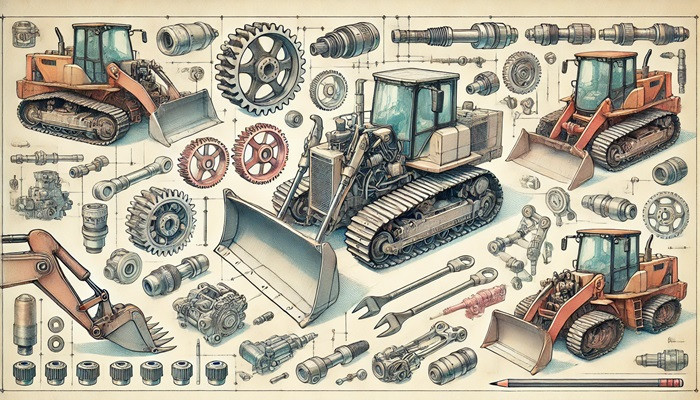 Dictionary of Terms for Heavy Machinery & Equipment Parts
This comprehensive list comprises 100 terms used in the Heavy Machinery and Equipment Parts industry. It is...Read more
Dictionary of Terms for Heavy Machinery & Equipment Parts
This comprehensive list comprises 100 terms used in the Heavy Machinery and Equipment Parts industry. It is...Read more -
 Comprehensive Glossary of Commercial Vehicle and Logistics Terms
This glossary provides concise explanations of key terms related to commercial vehicles, logistics, fleet management,...Read more
Comprehensive Glossary of Commercial Vehicle and Logistics Terms
This glossary provides concise explanations of key terms related to commercial vehicles, logistics, fleet management,...Read more -
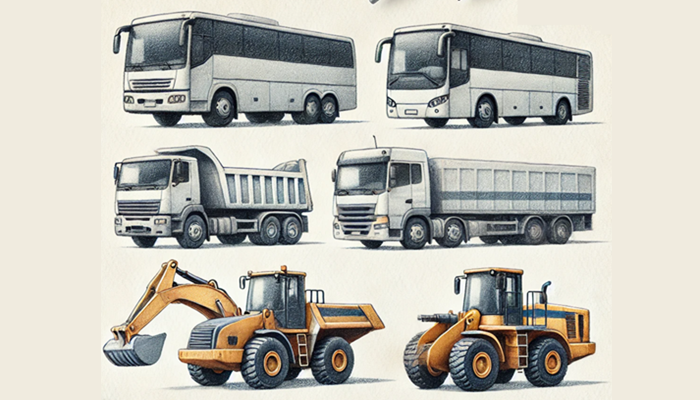 Comprehensive Glossary of Commercial Vehicles and Equipment Terms
Explore a detailed glossary covering 200 terms related to commercial vehicles, specialized equipment, and logistics....Read more
Comprehensive Glossary of Commercial Vehicles and Equipment Terms
Explore a detailed glossary covering 200 terms related to commercial vehicles, specialized equipment, and logistics....Read more -
 Comprehensive Glossary of Commercial Vehicles and Equipment Terms
Explore a detailed glossary covering 200 terms related to commercial vehicles, specialized equipment, and logistics....Read more
Comprehensive Glossary of Commercial Vehicles and Equipment Terms
Explore a detailed glossary covering 200 terms related to commercial vehicles, specialized equipment, and logistics....Read more -
 The Leather Processing Workflow and the Machines Behind It
A comprehensive expert-level guide explaining the essential machines used in leather processing and production,...Read more
The Leather Processing Workflow and the Machines Behind It
A comprehensive expert-level guide explaining the essential machines used in leather processing and production,...Read more
Leave a comment