
A buyer's guide to used road rollers and compactors listed in Poland: what is available, current prices, what to...
Latest posts
-
 Used Road Rollers & Compactors in Poland: 2026 Prices & Buyer's GuideRead more
 -
 How to Import Used Construction Machinery from Abroad: 2026 Buyer's GuideRead more
A practical guide to importing used heavy equipment from abroad — sources, shipping options, customs, inspection, and...
-
 Caterpillar for Sale: Prices, Specs & Used Market Guide 2026Read more
A buyer's guide to used Caterpillar machines — the CAT 320-series excavators and road equipment, current price...
-
 Used Construction Machinery in the USA: 2026 Prices & Buyer's GuideRead more
A buyer's guide to used road construction and paving machinery from the USA — current price ranges, an inspection...
-
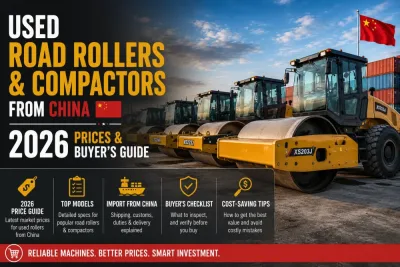 Used Road Rollers & Compactors from China: 2026 Prices & Buyer's GuideRead more
A buyer's guide to recent, low-hour used road rollers and compactors sourced from China — what is available, current...
-
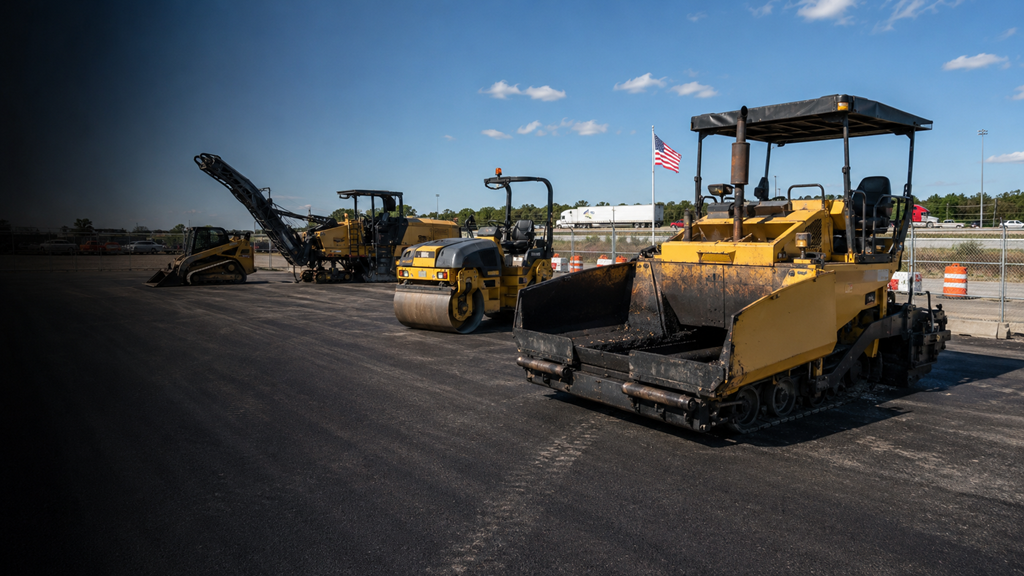 Used Asphalt & Paving Equipment in the USA: 2026 Prices & Buyer's GuideRead more
A practical buyer's guide to used asphalt and paving equipment sourced from the USA — what is available, current...
-
 Manitou MT 1840 Telehandler 2026: Current Prices, Specs, and Buyer’s GuideRead more
The Manitou MT 1840 has established itself as one of the most versatile and trusted telehandlers in the global...
-
 The Complete Guide to Massey Ferguson 240: Price, Specifications, and Global LegacyRead more
Massey Ferguson 240 sits in that sweet spot between light chores and real farm work. It’s part of the MF 200 series,...
-
 Ford Transit Box Truck for Sale: 2026 Buyer’s Guide for Small Business FleetsRead more
The Ford Transit box truck has long been a cornerstone of small business logistics, and in 2026 its position remains...
-
 The Ultimate Guide to Buying Trucks & Excavators: Prices, Deals, and Insights for Contractors in the USA, UK, Canada, and AustraliaRead more
For contractors, fleet managers, farmers, and construction companies, investing in the right trucks and excavators...
Blog categories
- Automotive Parts (21) click
- Heavy Machinery & Equipment Parts (6)
- OEM vs. Aftermarket Parts (1)
- Maintenance & Repair Tips (0)
- Parts Compatibility & Cross-Referencing (0)
- Sustainability & Recycling (1)
- Industry News & Trends (2)
- Buyer & Seller Guides (60)
- Performance Upgrades & Modifications (0)
- Product Reviews & Comparisons (1)
Search in blog
How Much Does Farm Tractor Insurance Cost in 2026?
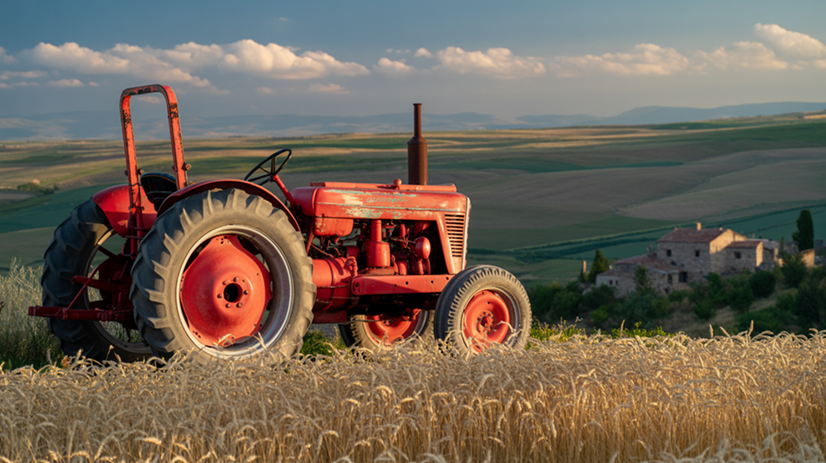
If you work in agriculture or own rural land in the United States, having the right insurance coverage for your farm tractor is more important than ever in 2026. Tractors are not only expensive to purchase and maintain, but they also face a wide range of risks during regular farm use — from rollovers and collisions to fire, weather damage, and even theft. One of the most common questions farmers ask is: “How much does farm tractor insurance cost in 2026?” The honest answer is that it depends on several factors, including the age of the tractor, how frequently it's used, whether it’s driven on public roads, and the type of coverage you choose. Like many experienced farmers, I’ve learned that protecting your equipment is not just a legal matter — it’s about peace of mind when your machinery is the heart of your livelihood.
Is Tractor Insurance Required in the U.S.?
Whether or not you’re legally required to insure your tractor depends on how and where it’s used. In most states, tractors that are used exclusively on private farmland or ranch property do not require liability insurance. However, if you ever drive your tractor on public roads — even for a short distance between fields — you’ll likely need to carry at least farm vehicle liability insurance, which is often mandated by the state. This coverage helps protect you in the event of a collision or accident involving another person or vehicle. Even if it's not required, many farmers choose to insure their tractors anyway, because replacing or repairing one after a disaster can be financially devastating.
Why Is Farm Tractor Insurance Important?
As someone who has spent years in agriculture, I’ve seen firsthand how much can go wrong in a single season. Tractors can flip on uneven terrain, get damaged by falling trees during storms, or suffer total losses in barn fires. That's why comprehensive farm tractor insurance can be a lifesaver. It goes beyond basic liability and helps cover physical damage to your equipment, theft, vandalism, natural disasters, and more. If you rely on your tractor every day, having insurance isn't just smart — it's essential to keeping your operation going strong. Think of it not just as another bill, but as an investment in the long-term health of your farm.
What Determines the Cost of Tractor Insurance?
There’s no one-size-fits-all answer when it comes to the cost of insuring a farm tractor in 2026. Insurance premiums vary widely based on:
-
Tractor make, model, and age – Newer, high-value tractors cost more to insure.
-
Usage type – Insurance for commercial farming may cost more than for hobby or personal use.
-
Coverage type – Liability-only policies are cheaper than full coverage (which includes collision and comprehensive).
-
Location and risk level – Rural crime rates, wildfire zones, or storm-prone areas can affect your rate.
-
Insurance history – Your past claims and credit score can also impact what you pay.
On average, basic tractor liability insurance in the U.S. ranges from $200 to $600 per year, while comprehensive policies can range from $800 to over $2,000 annually, depending on the coverage limits and deductible.
What Is Covered by Farm Tractor Insurance?
Tractor insurance policies typically include the following:
-
Liability coverage – Covers bodily injury and property damage if your tractor causes an accident.
-
Collision coverage – Pays for damage if your tractor is involved in a crash, even on private land.
-
Comprehensive coverage – Covers non-collision incidents like fire, theft, falling objects, hail, vandalism, and animal damage.
-
Uninsured motorist protection – Especially useful if you're involved in an accident with someone who doesn’t have insurance.
-
Custom equipment coverage – Optional add-ons to insure GPS systems, attachments, or sprayers.
What Is the Insurance Cap or Limit?
Some farmers ask about the maximum insurance payout or cap for tractor insurance in 2026. This depends on the policy you choose. Most insurers allow you to set the “agreed value” of your tractor based on appraisals or purchase receipts. It's important to make sure your policy covers the full replacement cost — not just a depreciated value. That’s why working with an experienced farm insurance agent can help you get a policy that’s tailored to your operation.
How Often Do You Need to Renew Tractor Insurance?
Like most vehicle insurance in the United States, tractor insurance policies are typically renewed on an annual basis. That means you’ll need to update your coverage and pay your premium every year. If you fail to renew on time — especially if your tractor is driven on public roads — you could face legal penalties or a lapse in protection. Setting a yearly reminder and working with a local agent can help you stay on top of your coverage and avoid gaps that put your farm at risk.
Where Can You Buy Farm Tractor Insurance?
Most major insurance providers in the U.S. — including Nationwide, State Farm, American Family, and Farm Bureau — offer tractor and farm equipment insurance. You can also find coverage through specialty insurers that focus on rural and agricultural customers. It’s a good idea to get multiple quotes and compare them based on price, deductible, and what’s actually covered. Some providers also offer discounts when you bundle your tractor insurance with farm property or homeowners insurance.
Final Thoughts: Is Tractor Insurance Worth It in 2026?
Tractors are one of the most valuable pieces of equipment on any farm, and in 2026, protecting that investment is more important than ever. With the rising cost of parts, more extreme weather patterns, and increasing risk of theft in rural areas, having reliable farm tractor insurance is not a luxury — it’s a necessity. Whether you operate a large farm or use your tractor for small-scale work, insurance helps ensure you can recover from setbacks and keep your land productive. From personal experience, knowing my tractor is protected helps me sleep better at night — and keeps me focused on what matters most: growing food, caring for the land, and sustaining the lifestyle I love.
Selling equipment like this?
List it on AGGZ and reach buyers reading guides like this and searching for used machinery.
Posted in:
Buyer & Seller Guides
Related posts
-
Used Road Rollers & Compactors in Poland: 2026 Prices & Buyer's Guide
A buyer's guide to used road rollers and compactors listed in Poland: what is available, current prices, what to...Read more
-
How to Import Used Construction Machinery from Abroad: 2026 Buyer's Guide
A practical guide to importing used heavy equipment from abroad — sources, shipping options, customs, inspection, and...Read more
-
Caterpillar for Sale: Prices, Specs & Used Market Guide 2026
A buyer's guide to used Caterpillar machines — the CAT 320-series excavators and road equipment, current price...Read more
-
Used Construction Machinery in the USA: 2026 Prices & Buyer's Guide
A buyer's guide to used road construction and paving machinery from the USA — current price ranges, an inspection...Read more
-
Used Road Rollers & Compactors from China: 2026 Prices & Buyer's Guide
A buyer's guide to recent, low-hour used road rollers and compactors sourced from China — what is available, current...Read more
Leave a comment