
A buyer's guide to used road rollers and compactors listed in Poland: what is available, current prices, what to...
Latest posts
-
 Used Road Rollers & Compactors in Poland: 2026 Prices & Buyer's GuideRead more
 -
 How to Import Used Construction Machinery from Abroad: 2026 Buyer's GuideRead more
A practical guide to importing used heavy equipment from abroad — sources, shipping options, customs, inspection, and...
-
 Caterpillar for Sale: Prices, Specs & Used Market Guide 2026Read more
A buyer's guide to used Caterpillar machines — the CAT 320-series excavators and road equipment, current price...
-
 Used Construction Machinery in the USA: 2026 Prices & Buyer's GuideRead more
A buyer's guide to used road construction and paving machinery from the USA — current price ranges, an inspection...
-
 Used Road Rollers & Compactors from China: 2026 Prices & Buyer's GuideRead more
A buyer's guide to recent, low-hour used road rollers and compactors sourced from China — what is available, current...
-
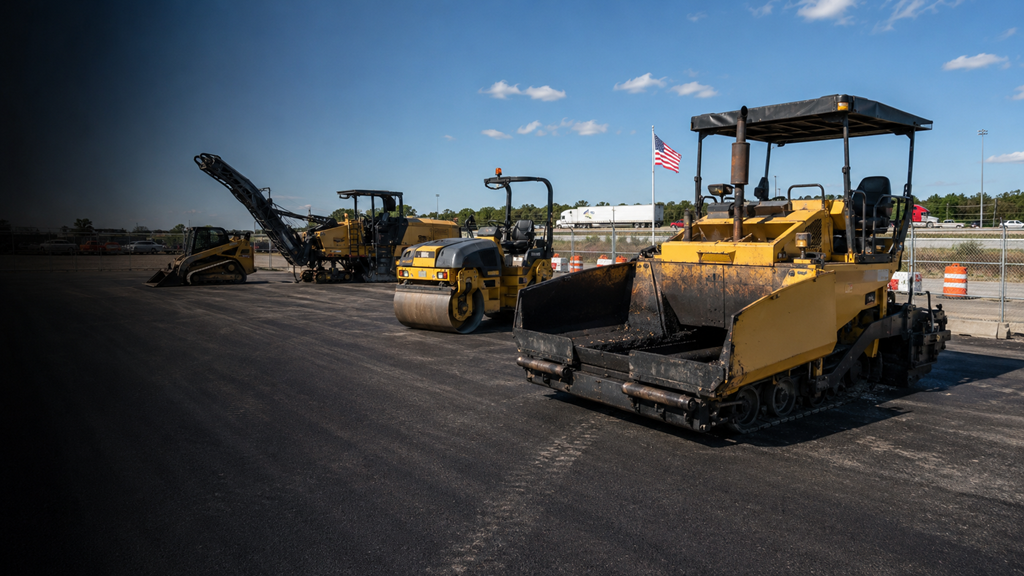 Used Asphalt & Paving Equipment in the USA: 2026 Prices & Buyer's GuideRead more
A practical buyer's guide to used asphalt and paving equipment sourced from the USA — what is available, current...
-
 Manitou MT 1840 Telehandler 2026: Current Prices, Specs, and Buyer’s GuideRead more
The Manitou MT 1840 has established itself as one of the most versatile and trusted telehandlers in the global...
-
 The Complete Guide to Massey Ferguson 240: Price, Specifications, and Global LegacyRead more
Massey Ferguson 240 sits in that sweet spot between light chores and real farm work. It’s part of the MF 200 series,...
-
 Ford Transit Box Truck for Sale: 2026 Buyer’s Guide for Small Business FleetsRead more
The Ford Transit box truck has long been a cornerstone of small business logistics, and in 2026 its position remains...
-
 The Ultimate Guide to Buying Trucks & Excavators: Prices, Deals, and Insights for Contractors in the USA, UK, Canada, and AustraliaRead more
For contractors, fleet managers, farmers, and construction companies, investing in the right trucks and excavators...
Blog categories
- Automotive Parts (21) click
- Heavy Machinery & Equipment Parts (6)
- OEM vs. Aftermarket Parts (1)
- Maintenance & Repair Tips (0)
- Parts Compatibility & Cross-Referencing (0)
- Sustainability & Recycling (1)
- Industry News & Trends (2)
- Buyer & Seller Guides (60)
- Performance Upgrades & Modifications (0)
- Product Reviews & Comparisons (1)
Search in blog
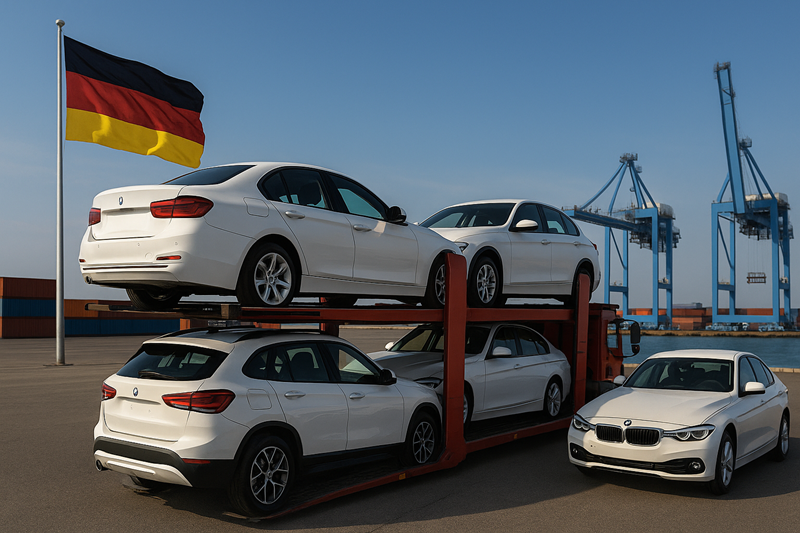
A Comprehensive Guide for German Exporters: Bringing Cars to Turkey-Prices, Taxes, Procedures, and Strategic Insights
For German automotive businesses and exporters, the Turkish market is fast emerging as a key growth destination. With over 85 million people, a rising middle class, and one of the largest vehicle markets in the region, Turkey presents an exceptional opportunity for auto exporters seeking long-term expansion. However, navigating the Turkish automotive import ecosystem requires more than good intentions — it demands a working understanding of taxes, regulations, compliance steps, and consumer preferences unique to this rapidly evolving market.
Germany, being one of the largest automotive production hubs in Europe, holds a clear advantage: superior build quality, model variety, and long-standing brand equity in the eyes of Turkish consumers. The Turkish market, in return, offers access to a growing population of buyers frustrated by rising domestic car prices and looking for alternative solutions. This article will equip German businesspeople with a complete roadmap to profitably enter the Turkish vehicle market. We’ll explore the current market climate, assess regulatory hurdles, detail the import process step by step, and offer practical comparisons and common pitfalls to avoid. Whether you’re a manufacturer, distributor, or fleet supplier, this guide will give you the operational clarity and commercial confidence to move forward.
Overview / Current Situation
The Turkish automotive market in 2026 is defined by dynamic contrasts. On one hand, Turkey has a well-established car manufacturing base (e.g., Ford Otosan, TOFAŞ, Hyundai Assan), yet the production is mostly limited to local or regional models and capacities. On the other hand, demand for high-quality European vehicles continues to outstrip local offerings — especially in the premium, commercial, and utility vehicle categories.
Turkey's consumer base has long held a strong preference for German brands such as Volkswagen, BMW, Mercedes-Benz, and Audi, considering them synonymous with quality and prestige. This reputation remains intact despite fluctuations in the Turkish Lira and volatile economic conditions. The recent currency depreciation has increased the cost of new imports, yet the demand for second-hand and lightly used European models has risen in response, as Turkish buyers seek more value-driven purchases.
From a regulatory standpoint, Turkey’s Customs Union agreement with the European Union simplifies many bureaucratic hurdles. Vehicles imported from Germany are exempt from traditional customs duties, but they are still subject to domestic taxes such as Special Consumption Tax (ÖTV) and VAT (KDV), which can be substantial depending on engine size, vehicle class, and age. In addition, emissions regulations, safety certifications, and vehicle inspections under Turkish Standards Institute (TSE) oversight play an increasingly central role.
Benefits and Drawbacks / Pros and Cons
Exporting cars from Germany to Turkey comes with clear upsides and equally important considerations that businesses must assess. One of the biggest advantages is Germany’s unmatched inventory of high-quality, well-documented used and new vehicles. These are seen as premium offerings in Turkey and often carry a resale value significantly above local alternatives. German businesses also benefit from operational scale, efficient sourcing, and robust logistics infrastructure.
Another benefit is the strength of the German brand in the Turkish marketplace. Local consumers are willing to pay a premium for German engineering, often preferring a five-year-old Audi to a new mid-range domestic vehicle. This brand loyalty creates an ideal space for exporters looking to enter the market with a solid product proposition.
On the downside, the Turkish import process can be administratively complex, especially for those unfamiliar with local standards. The ÖTV can range from 60% to 220% of the vehicle’s taxable value, depending on engine capacity and value category, making pricing strategy a delicate balancing act. Mistimed currency exchanges or tax miscalculations can erode margins significantly. Furthermore, vehicles that do not comply with TSE technical requirements may face delays at customs or even denial of entry.
Another risk lies in after-sales service expectations. Turkish customers, especially in urban centers, expect local service networks, parts availability, and warranty support. Exporters without reliable partnerships in these areas may find it difficult to sustain customer satisfaction over time.
Step-by-Step Guide / How-To / Process
Stage 1: Market Research and Product Matching
Before exporting a single unit, it’s essential to study Turkish consumer trends, vehicle preferences, and regulatory thresholds. For instance, smaller engine vehicles (under 1600 cc) are taxed at lower ÖTV rates, making them more competitive. Electric and hybrid vehicles may benefit from reduced tax brackets. Understanding which models align with Turkish tastes and which engine capacities offer tax efficiency is key to maximizing profit.
Stage 2: Legal and Tax Documentation Preparation
Once models have been selected, German exporters need to prepare a detailed documentation file for each unit. This includes: the original purchase invoice, proof of ownership, Euro Emission Certificate, Certificate of Conformity (COC), and an export declaration. At this stage, consulting with a Turkish customs broker is highly advisable to pre-check all paperwork against TSE regulations and anticipated tax categories.
Stage 3: Logistics and Transport
Vehicles can be shipped via Ro-Ro services, land transport using car carriers, or a combination of rail and road depending on volume and urgency. Most exporters prefer Hamburg or Bremerhaven ports for outbound shipments to Istanbul, Izmir, or Mersin. Full logistics coordination should account for transit insurance, tracking, port handling fees, and vehicle pre-delivery inspections. Timelines typically range from 10 to 20 days depending on customs congestion and transport method.
Stage 4: Customs Clearance and Tax Payment
Upon arrival in Turkey, the importer (or local partner) initiates customs clearance. This includes declaration of vehicle value in Euros, conversion into Turkish Lira at the current Central Bank rate, and calculation of applicable ÖTV and KDV. These taxes must be paid before the vehicle can proceed to registration. Delays at this stage often stem from under-declaration, incorrect paperwork, or failure to meet technical specs, so thorough pre-clearance planning is critical.
Stage 5: TSE Certification and Registration
After clearing customs, the vehicle undergoes technical inspection by the Turkish Standards Institute (TSE). This covers areas such as braking systems, lighting compliance, emissions, VIN verification, and conformity to Turkish road standards. Once certified, the vehicle can be registered under Turkish plates and offered for retail or wholesale distribution. Businesses may opt to operate through local dealerships, authorized importers, or a hybrid sales channel.
Comparison / Alternatives
When considering Turkey as a destination market, German exporters may also look at alternative export routes such as Eastern Europe (e.g., Romania, Bulgaria) or the Middle East (e.g., UAE, Saudi Arabia). While some of these regions offer simpler logistics or lower regulatory costs, they often lack Turkey’s brand awareness, demand scale, or vehicle familiarity — especially for German marques.
For example, a 2019 Volkswagen Passat with a 1.6L engine may retail for approximately €18,000 in Germany. That same vehicle, once imported and taxed in Turkey, can reach a total retail price equivalent to €26,000–€30,000 — depending on the currency rate, ÖTV band (around 80–100%), and additional KDV. This markup, though steep, remains within acceptable limits for Turkish buyers due to the perceived quality and longevity of German-built vehicles.
Electric vehicles represent a growing alternative. A used BMW i3, typically taxed at much lower ÖTV levels (10–20%), could represent a niche opportunity for first movers in Turkey’s green vehicle segment. However, exporters must consider after-sales logistics like battery support and authorized repair partners.
Common Mistakes and How to Avoid Them
One of the most frequent missteps by exporters is underestimating the paperwork burden. Missing COC documents or incorrect translations can result in vehicles being held at port for weeks. Another mistake is pricing vehicles without including the full tax burden in local currency — this results in unrealistic pricing structures and uncompetitive offers.
Currency risk is another silent pitfall. Exporters who invoice in Euros but negotiate deals in Turkish Lira can find themselves squeezed if exchange rates shift between customs declaration and payment clearance. It’s crucial to lock in FX rates or hedge currency exposure when large volumes are involved.
Lastly, not partnering with a local entity for post-sale support often leads to poor customer experience and brand degradation. German companies should either build a direct presence or form alliances with reliable Turkish importers, service centers, and logistics firms.
Frequently Asked Questions (FAQ)
Do I need a local partner to export cars to Turkey? Legally, no. But practically, yes — having a Turkish partner simplifies customs, distribution, and compliance logistics significantly.
What’s the average total tax burden on an imported vehicle? Depending on engine size and value, the combined ÖTV and KDV can range between 80% to 220% of the car's declared customs value.
Can used vehicles be exported to Turkey? Yes, but they must meet TSE compliance rules, and most successful exporters focus on cars under five years old for easier certification and marketability.
Are there restrictions on electric vehicles? Not restrictions, but tax incentives exist. EVs under certain kW thresholds enjoy significantly lower ÖTV rates.
How long does the entire process take? From initial shipment to final registration, the process typically spans 3 to 6 weeks, assuming all paperwork is correct and no inspections are failed.
Conclusion
Entering the Turkish automotive market as a German exporter offers both complexity and great potential. The key to success lies in mastering the legal, logistical, and financial nuances of cross-border car sales. With a thorough understanding of Turkey’s tax structure, compliance standards, and consumer preferences, German businesses can carve out profitable channels for both new and used vehicle exports. Establishing trusted local relationships, maintaining regulatory accuracy, and responding to market demand will ensure that your export operation doesn’t just launch — it thrives. For personalized advice, partnership facilitation, or up-to-date tax simulation tools, don’t hesitate to get in touch with our expert team.
Selling equipment like this?
List it on AGGZ and reach buyers reading guides like this and searching for used machinery.
Posted in:
Buyer & Seller Guides
Related posts
-
Used Road Rollers & Compactors in Poland: 2026 Prices & Buyer's Guide
A buyer's guide to used road rollers and compactors listed in Poland: what is available, current prices, what to...Read more
-
How to Import Used Construction Machinery from Abroad: 2026 Buyer's Guide
A practical guide to importing used heavy equipment from abroad — sources, shipping options, customs, inspection, and...Read more
-
Caterpillar for Sale: Prices, Specs & Used Market Guide 2026
A buyer's guide to used Caterpillar machines — the CAT 320-series excavators and road equipment, current price...Read more
-
Used Construction Machinery in the USA: 2026 Prices & Buyer's Guide
A buyer's guide to used road construction and paving machinery from the USA — current price ranges, an inspection...Read more
-
Used Road Rollers & Compactors from China: 2026 Prices & Buyer's Guide
A buyer's guide to recent, low-hour used road rollers and compactors sourced from China — what is available, current...Read more
Leave a comment