
A buyer's guide to used road rollers and compactors listed in Poland: what is available, current prices, what to...
Latest posts
-
 Used Road Rollers & Compactors in Poland: 2026 Prices & Buyer's GuideRead more
 -
 How to Import Used Construction Machinery from Abroad: 2026 Buyer's GuideRead more
A practical guide to importing used heavy equipment from abroad — sources, shipping options, customs, inspection, and...
-
 Caterpillar for Sale: Prices, Specs & Used Market Guide 2026Read more
A buyer's guide to used Caterpillar machines — the CAT 320-series excavators and road equipment, current price...
-
 Used Construction Machinery in the USA: 2026 Prices & Buyer's GuideRead more
A buyer's guide to used road construction and paving machinery from the USA — current price ranges, an inspection...
-
 Used Road Rollers & Compactors from China: 2026 Prices & Buyer's GuideRead more
A buyer's guide to recent, low-hour used road rollers and compactors sourced from China — what is available, current...
-
 Used Asphalt & Paving Equipment in the USA: 2026 Prices & Buyer's GuideRead more
A practical buyer's guide to used asphalt and paving equipment sourced from the USA — what is available, current...
-
 Manitou MT 1840 Telehandler 2026: Current Prices, Specs, and Buyer’s GuideRead more
The Manitou MT 1840 has established itself as one of the most versatile and trusted telehandlers in the global...
-
 The Complete Guide to Massey Ferguson 240: Price, Specifications, and Global LegacyRead more
Massey Ferguson 240 sits in that sweet spot between light chores and real farm work. It’s part of the MF 200 series,...
-
 Ford Transit Box Truck for Sale: 2026 Buyer’s Guide for Small Business FleetsRead more
The Ford Transit box truck has long been a cornerstone of small business logistics, and in 2026 its position remains...
-
 The Ultimate Guide to Buying Trucks & Excavators: Prices, Deals, and Insights for Contractors in the USA, UK, Canada, and AustraliaRead more
For contractors, fleet managers, farmers, and construction companies, investing in the right trucks and excavators...
Blog categories
- Automotive Parts (21) click
- Heavy Machinery & Equipment Parts (6)
- OEM vs. Aftermarket Parts (1)
- Maintenance & Repair Tips (0)
- Parts Compatibility & Cross-Referencing (0)
- Sustainability & Recycling (1)
- Industry News & Trends (2)
- Buyer & Seller Guides (60)
- Performance Upgrades & Modifications (0)
- Product Reviews & Comparisons (1)
Search in blog
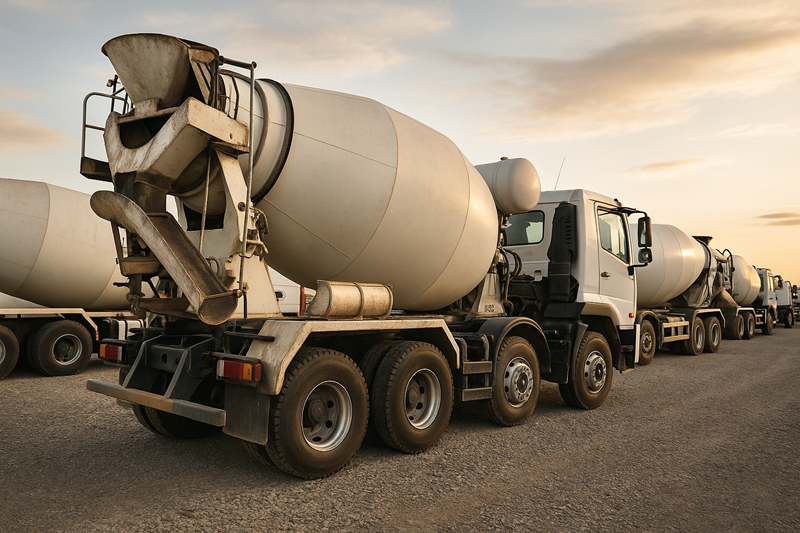
2026 Guide to Buying Transmixers: Prices, Brands & What to Consider
In 2026, the demand for concrete transport equipment is riding high across the U.S., the UK, and Canada. Whether you're supplying ready-mix to suburban housing developments, pouring slabs for high-rise towers, or fulfilling DOT infrastructure contracts, having the right transmixer fleet makes or breaks your operation. With tighter deadlines, stricter emission zones, and rising labor costs, more contractors and concrete suppliers are rethinking how they source and invest in mixer trucks. It's not just about capacity anymore — it's about lifecycle costs, compliance, and uptime. And in this climate, choosing the wrong mixer spec or brand can burn through your margins faster than a slow pour on a summer day.
What’s changed in 2026 is the level of sophistication both in the equipment and in the buyer. Transmixers aren’t the same old diesel-only brutes they used to be. You’re now choosing between electric drives, Euro 6-compliant diesels, and even hybrid models. You’ve got telematics baked into control panels, automated drum monitoring systems, and lighter composite materials helping extend payload without exceeding axle limits. From a pricing perspective, there’s more spread than ever. A basic 6x4 diesel truck with a 9m³ steel drum can still be found for under $150,000 new, while a premium 8x4 electric mixer with intelligent dosing controls and an aluminum drum might push $250,000 or more, depending on the brand and chassis.
Size matters, of course — and not just the drum capacity. The configuration of the chassis plays a critical role in both pricing and application. A 6x4 setup is ideal for urban deliveries, offering better maneuverability, but it sacrifices payload when compared to a heavier 8x4. On bigger jobsites or highway pours where volume trumps tight turns, the extra axle is worth the added investment. What also moves the price needle is the country of origin. European trucks, especially those complying with Euro 6 or newer standards, come with better emissions profiles and more refined ergonomics but cost significantly more upfront. U.S. domestic brands often offer a lower sticker price and easier parts support but may fall short in comfort or long-term efficiency, depending on how they’re spec’d.
Let’s talk brands. McNeilus and Oshkosh are still staples in the American market, particularly for fleet buyers who need predictable performance and good resale value. Liebherr, with its German-engineered drums and integration with Mercedes-Benz or Volvo chassis, appeals to buyers wanting premium quality and operator comfort. CIFA and Schwing Stetter are continuing to make waves thanks to their lightweight drum technologies and increasingly modular components. In some cases, local body builders are taking on more market share by offering customized drums fitted to imported or domestic chassis, allowing buyers to balance cost and performance without compromising too much on warranty or serviceability.
Financing is another major fork in the road. New mixer trucks offer full warranties, latest tech, and lower maintenance costs in the first few years, but they also tie up more capital. Used transmixers, on the other hand, can be a smart choice if sourced from verified fleets with proper maintenance logs. However, buyers need to be careful with odometer rollbacks, thinning drum walls, and undocumented repairs. The rise of reconditioned models has added a third option — trucks that are neither brand-new nor worn out, but factory-refurbished with fresh hydraulics and modernized controls. These can often deliver the best of both worlds if bought from trusted refurbishers.
Environmental regulations continue to tighten, especially in California, New York, and parts of Western Europe. If you're planning to operate in low-emission zones or want your fleet to pass future compliance tests, investing in Euro 6-certified or zero-emission trucks now could save you headaches later. Some buyers are also factoring in ESG targets or LEED project requirements when speccing new equipment. In these contexts, choosing an electric or hybrid transmixer isn't just good PR — it’s a potential contract-winning factor.
Warranty support, dealer network strength, and parts availability often go underappreciated — until you have a truck down on a job and need a hydraulic pump within 24 hours. It's worth paying more upfront for a brand with solid regional support, especially if your fleet isn't large enough to afford idle spares. Buyers also need to consider training support, remote diagnostics, and integration with fleet management platforms.
At the end of the day, a transmixer is more than a steel drum on wheels. It's a moving asset whose reliability, cost-per-cubic-meter, and downtime record directly impact your profits. The smartest buyers in 2026 aren’t just chasing horsepower or capacity. They're building fleets with a purpose — lean, compliant, and tailored to the specific needs of the region and the contracts they aim to win.
Frequently Asked Questions: Transmixers in 2026
What’s the average price of a new 2026 transmixer in the U.S.?
Prices in 2026 vary widely depending on configuration, but a solid new diesel transmixer with a 10-cubic-yard drum typically starts around $155,000. Going electric, adding automation features, or stepping up to an 8x4 chassis could bring that price closer to $220,000 or even higher. Keep in mind, this doesn’t include optional add-ons like remote drum controls or advanced telematics, which can tack on another $5,000 to $15,000 depending on the package.
Should I invest in an electric concrete mixer truck?
If your operations are based in states like California or parts of the UK where zero-emissions zones are growing, going electric can position you for longer-term fleet compliance. You’ll pay a higher price upfront, and charging infrastructure still presents some challenges on mobile job sites, but over the truck’s life cycle, lower fuel and maintenance costs can close that gap. Plus, certain municipalities and government contracts may prefer or require electric vehicles, making this a strategic investment.
How do drum size and capacity affect pricing?
Drum size directly impacts both your productivity and your total investment. A larger 12-yard drum allows fewer trips per pour, reducing fuel costs and operator time. But the truck’s chassis, brake system, and axles need to be spec’d accordingly, which raises the purchase price. Smaller 6- or 8-yard mixers are cheaper and easier to maneuver but less efficient on high-volume pours. Ultimately, the right size depends on the scale of your projects and the type of access your jobsites demand.
Where can I buy a reliable used transmixer with warranty?
Reputable dealerships specializing in heavy equipment resale often offer certified pre-owned transmixers with limited warranties. These trucks typically come with service records, reconditioned components, and verified hour logs. Auction platforms can also yield good deals, but you need to do your homework on ownership history and perform thorough inspections. Some mixer body manufacturers offer factory-refurbished units with full support, which can be a smart middle ground between new and used.
How important is the truck chassis brand versus the mixer body?
The chassis and mixer body both contribute to the overall performance, but their importance varies by application. For operators logging long highway miles, a durable and comfortable chassis like Volvo or Freightliner makes a big difference in driver fatigue and fuel use. For local jobs or short hauls, a more affordable chassis with a premium drum may be sufficient. The real magic is in how well the drum and controls are integrated with the truck’s drivetrain and braking systems.
Can I finance a new transmixer in 2026 without a large down payment?
Yes, most dealers and third-party lenders offer flexible financing packages in 2026, including low-down-payment leases and seasonal payment plans that match your cash flow cycle. Interest rates depend on your credit, fleet size, and equipment value. Some manufacturers also partner with captive finance firms that can bundle extended warranties or service plans into the financing deal, helping to manage risk and cost over the machine's lifespan.
Are there government incentives for buying low-emission or electric mixer trucks?
In certain jurisdictions — especially in the U.S. and EU — incentives still exist for businesses transitioning to cleaner equipment. These may come in the form of tax credits, grants, or reduced registration fees. However, many programs have limited funding windows or strict application timelines. It’s important to check your local Department of Transportation or Environmental Protection Agency updates regularly, as incentives change frequently.
What’s the resale value of a well-maintained transmixer after five years?
Resale depends on usage hours, condition, service history, and brand. Well-maintained trucks with under 6,000 hours and no accident history can retain up to 60% of their original value, especially from brands like Liebherr or Oshkosh. Electric mixers are newer to the market, so long-term resale data is still limited, but early signs suggest they hold value better in regions with EV mandates.
What are common mistakes buyers make when purchasing used mixer trucks?
Failing to inspect drum thickness is a big one. Worn-out drums may look clean on the outside but have dangerously thin walls inside. Ignoring the condition of the hydraulic pump, cooling system, or the condition of the chassis suspension can also lead to costly downtime. Always ask for maintenance logs and test the drum rotation and water system before buying.
Do I need special operator certification for mixer trucks?
Yes, in the U.S., drivers must hold a valid CDL with the appropriate endorsements. OSHA regulations also require mixer operators to be trained on lockout/tagout procedures and confined space safety if they’re expected to perform cleaning or maintenance inside the drum. It’s also wise to provide job-specific training on the mixer’s controls, especially when buying newer models with automated systems.
Should I buy from a dealer or directly from the manufacturer?
Dealers often offer better support in terms of parts inventory, service response, and financing. Direct-from-manufacturer deals might save you a few bucks on bulk orders or special configurations, but support may be limited depending on your location. In many cases, a trusted local dealer with a good warranty and service plan is worth the premium.
How long does a typical mixer truck last?
With proper maintenance, a mixer truck can last 10 to 15 years, or up to 10,000 operational hours. Drum wear is usually the first limiting factor, followed by hydraulic wear and drivetrain fatigue. Some operators choose to rebuild the drum or transfer the mixer body to a new chassis once the original truck has run its course, effectively extending the equipment’s life with smart reinvestment.
Related equipment for sale on AGGZ
| Machine | Year | Price | |
|---|---|---|---|
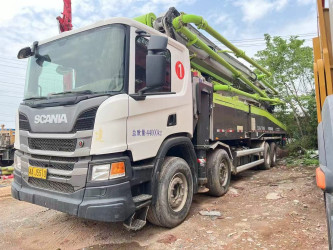 2020 ZOOMLION 56m SCANIA Pump Truck - Turkish Construction Game-Changer!
|
— | $77,600.00 | View |
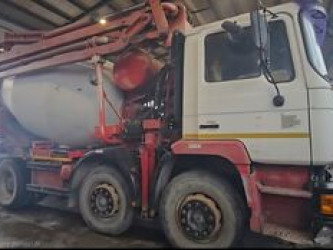 MAN concrete mixer
|
— | $35,640.00 | View |
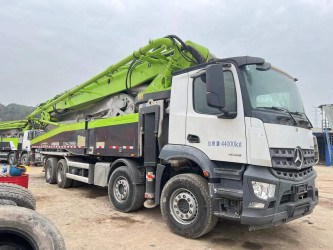 56 metre Zoomlion brand produced in 2021
|
— | $91,400.00 | View |
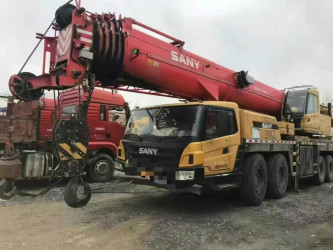 2019 SANY 80-Ton Crane - Heavy-Duty Powerhouse for Turkish Projects
|
— | $92,600.00 | View |
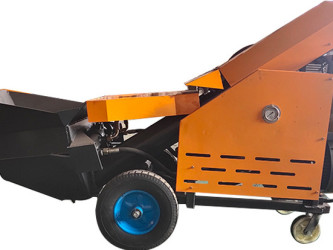 Portable Electric Concrete Pump- Your Ultimate Construction Partner
|
— | $5,000.00 | View |
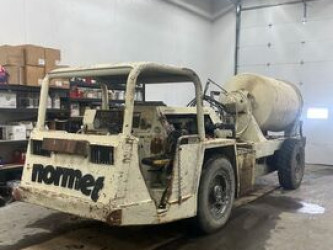 Normet A-64 concrete mixer 1998
|
1998 | $75,000.00 | View |
Frequently asked questions
How much does used Concrete Machinery cost on AGGZ?
Prices depend on the year, operating hours and condition of each machine. Compare the current listings above to see real prices from sellers, then contact the seller directly.
What should I check when buying used Concrete Machinery?
Check the year of manufacture, operating hours or mileage, service and maintenance history, and overall condition. Arrange an inspection or request detailed photos before any payment.
Can I buy and export used Concrete Machinery from Turkey and abroad?
Yes. Many sellers on AGGZ ship internationally. Confirm shipping options, export documentation and payment terms directly with the seller before you buy.
Selling similar equipment?
List your machinery on AGGZ and reach buyers searching for Concrete Machinery, trucks, spare parts and industrial equipment.
Posted in:
Buyer & Seller Guides
Related posts
-
Used Road Rollers & Compactors in Poland: 2026 Prices & Buyer's Guide
A buyer's guide to used road rollers and compactors listed in Poland: what is available, current prices, what to...Read more
-
How to Import Used Construction Machinery from Abroad: 2026 Buyer's Guide
A practical guide to importing used heavy equipment from abroad — sources, shipping options, customs, inspection, and...Read more
-
Caterpillar for Sale: Prices, Specs & Used Market Guide 2026
A buyer's guide to used Caterpillar machines — the CAT 320-series excavators and road equipment, current price...Read more
-
Used Construction Machinery in the USA: 2026 Prices & Buyer's Guide
A buyer's guide to used road construction and paving machinery from the USA — current price ranges, an inspection...Read more
-
Used Road Rollers & Compactors from China: 2026 Prices & Buyer's Guide
A buyer's guide to recent, low-hour used road rollers and compactors sourced from China — what is available, current...Read more
Leave a comment