
A buyer's guide to used road rollers and compactors listed in Poland: what is available, current prices, what to...
Latest posts
-
 Used Road Rollers & Compactors in Poland: 2026 Prices & Buyer's GuideRead more
 -
 How to Import Used Construction Machinery from Abroad: 2026 Buyer's GuideRead more
A practical guide to importing used heavy equipment from abroad — sources, shipping options, customs, inspection, and...
-
 Caterpillar for Sale: Prices, Specs & Used Market Guide 2026Read more
A buyer's guide to used Caterpillar machines — the CAT 320-series excavators and road equipment, current price...
-
 Used Construction Machinery in the USA: 2026 Prices & Buyer's GuideRead more
A buyer's guide to used road construction and paving machinery from the USA — current price ranges, an inspection...
-
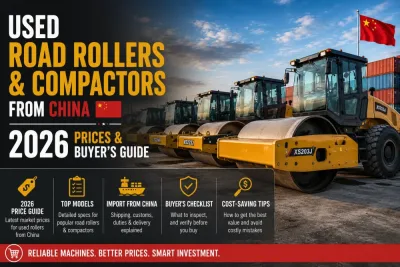 Used Road Rollers & Compactors from China: 2026 Prices & Buyer's GuideRead more
A buyer's guide to recent, low-hour used road rollers and compactors sourced from China — what is available, current...
-
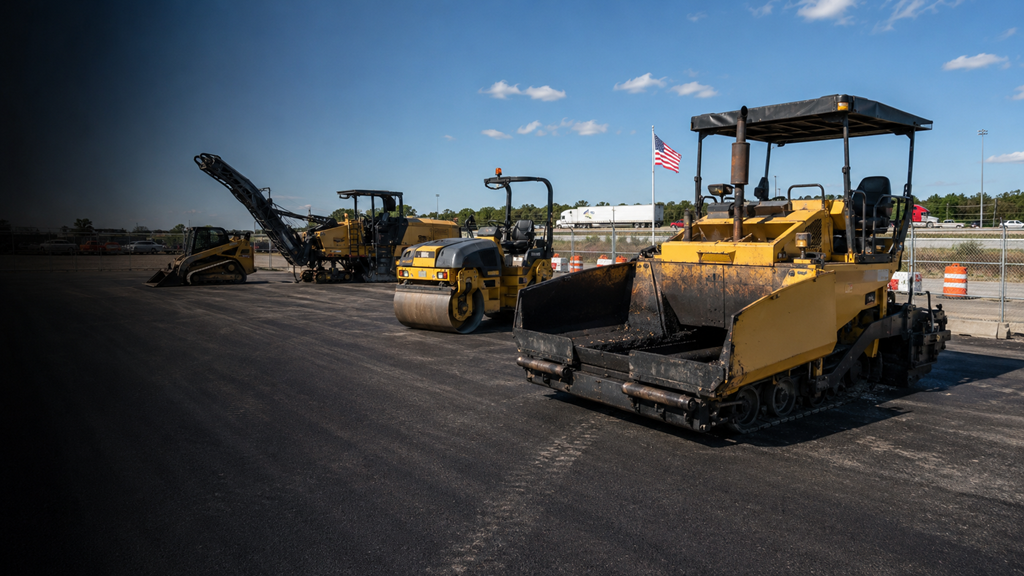 Used Asphalt & Paving Equipment in the USA: 2026 Prices & Buyer's GuideRead more
A practical buyer's guide to used asphalt and paving equipment sourced from the USA — what is available, current...
-
 Manitou MT 1840 Telehandler 2026: Current Prices, Specs, and Buyer’s GuideRead more
The Manitou MT 1840 has established itself as one of the most versatile and trusted telehandlers in the global...
-
 The Complete Guide to Massey Ferguson 240: Price, Specifications, and Global LegacyRead more
Massey Ferguson 240 sits in that sweet spot between light chores and real farm work. It’s part of the MF 200 series,...
-
 Ford Transit Box Truck for Sale: 2026 Buyer’s Guide for Small Business FleetsRead more
The Ford Transit box truck has long been a cornerstone of small business logistics, and in 2026 its position remains...
-
 The Ultimate Guide to Buying Trucks & Excavators: Prices, Deals, and Insights for Contractors in the USA, UK, Canada, and AustraliaRead more
For contractors, fleet managers, farmers, and construction companies, investing in the right trucks and excavators...
Blog categories
- Automotive Parts (21) click
- Heavy Machinery & Equipment Parts (6)
- OEM vs. Aftermarket Parts (1)
- Maintenance & Repair Tips (0)
- Parts Compatibility & Cross-Referencing (0)
- Sustainability & Recycling (1)
- Industry News & Trends (2)
- Buyer & Seller Guides (60)
- Performance Upgrades & Modifications (0)
- Product Reviews & Comparisons (1)
Search in blog

Buying a Car in Poland: 2026 Prices, Process, and Practical Tips for Expats
As of 2026, Poland remains one of the most appealing destinations in the European Union for buying both new and used cars especially for expats, cross-border commuters, and students. The combination of favorable pricing, access to a broad inventory, and well-established EU-wide regulations makes the Polish vehicle market a viable alternative to more expensive Western European countries. For expatriates or international buyers navigating the local landscape, understanding how Poland’s car market works and how to legally and financially protect yourself is essential.
The Polish car market functions through three primary channels: official dealerships (authorized brand retailers), private sellers via online classifieds, and second-hand dealerships (known as “komisy”). The dealership route often provides a more secure, transparent process, especially when it comes to warranties and documentation. However, many expats prefer using platforms like Otomoto.pl or Allegro to find better deals from private individuals. These listings can offer a lower upfront price but also carry more risk, especially regarding vehicle history and potential mileage tampering.
New car prices in Poland in 2026 are still relatively competitive within the EU. Due to local VAT and vehicle registration policies, buying new often costs between 5%–15% less than in countries like Germany, France, or the Netherlands. A brand-new Toyota Corolla, for example, starts around 100,000 PLN (€23,000), while a similarly equipped Volkswagen Golf might go for about 110,000 PLN (€25,000). Meanwhile, the second-hand market remains robust, with three- to five-year-old models often available at 40%–50% below new prices. For example, a 2020 Ford Focus might sell for as low as 48,000 PLN (~€11,000), depending on mileage and condition.
Part of what makes Poland attractive is the sheer availability of EU-compliant vehicles. Many of the used cars sold in Poland originate from Western European countries, often brought in by independent importers. These vehicles tend to already meet Euro 6 emissions standards, and the EU-wide conformity of safety and documentation standards makes re-registration smoother across borders. For EU expats, especially those relocating to or from Poland, this is a major logistical and cost advantage.
Transferring ownership in Poland involves a clearly defined process, although navigating the Polish bureaucracy can feel daunting to foreigners. Typically, the buyer and seller sign a purchase agreement (“umowa kupna-sprzedaży”), and the new owner must then register the vehicle within 30 days at the local city office (Urząd Miasta) or district office (Starostwo Powiatowe). Required documents include proof of purchase, a vehicle card (if applicable), a valid technical inspection, and proof of insurance. EU citizens do not require residency to register a vehicle, but they will need to provide a local address either temporary or permanent and in some cases, a PESEL number.
VAT implications vary based on the vehicle’s history and the nature of the transaction. When buying from a private individual, VAT is usually included in the purchase price. However, when purchasing from a dealership or importing from another EU country, the buyer must ensure whether VAT is due at purchase or whether it must be declared separately. For new vehicles (less than six months old or with under 6,000 km), special EU-wide VAT rules may apply. Consulting a tax advisor or customs consultant is recommended in these cases.
Insurance in Poland is mandatory and includes at least third-party liability (OC). Comprehensive coverage is optional but often advisable for newer or higher-value vehicles. Prices vary widely depending on age, driving history, and residence, but expats can expect to pay between 1,000 and 2,500 PLN annually (~€230–€570) for liability insurance. Road tax, on the other hand, is minimal in Poland compared to other EU states, with most of the cost embedded in fuel taxes and vehicle registration fees.
Buyers who plan to move between EU countries will benefit from the EU-wide framework that governs vehicle recognition and documentation. A car purchased and registered in Poland can typically be re-registered in another EU country without needing modification, as long as emissions and safety standards are met. Some expats purchase a car in Poland with the intention of taking it to France, Spain, or Portugal, often taking advantage of lower sticker prices and favorable insurance rates. Be aware, however, that once a vehicle is exported, local Polish insurance and registration are no longer valid, and re-registration must happen promptly in the destination country.
For those who prefer English-speaking service, larger dealerships in major cities like Warsaw, Kraków, and Wrocław often have multilingual sales staff. Independent agents and relocation consultants can also assist with the paperwork, sometimes for a fee. Vehicle financing is available for both residents and non-residents, though foreign buyers should be prepared for more stringent credit checks and higher interest rates, especially if lacking a Polish credit history.
Frequently Asked Questions (FAQ)
Do I need a PESEL number to buy a car in Poland?
A PESEL number is not strictly required to buy a car in Poland, but it simplifies many administrative tasks such as registration and insurance. EU citizens or expats with a temporary stay can typically register a car using just their passport and a verified address. However, having a PESEL can speed up the process and make dealing with offices and banks more convenient.
What are the costs of insurance and road tax?
Third-party liability insurance (OC) in Poland costs between 1,000–2,500 PLN annually, depending on factors like age, driving record, and vehicle power. Road tax per se doesn’t exist in the traditional sense maintenance of infrastructure is funded via fuel taxes and tolls. However, there are small fees during registration and for specific vehicle types such as commercial trucks.
Can foreigners get financing?
Yes, some Polish banks and auto dealers offer financing to foreigners, especially EU citizens or expats with proof of income in Poland. However, documentation requirements are stricter, and interest rates may be higher if the applicant lacks a Polish credit history or permanent residency.
Are English-speaking dealers available?
In major cities, yes. Dealerships in Warsaw, Gdańsk, Poznań, and Kraków often employ English-speaking staff. Many have websites with multilingual options and can prepare contracts in English upon request. Still, it's advisable to double-check all legal documents in Polish with a trusted interpreter or advisor.
How do I register a car if I’m not a permanent resident?
As long as you have a legal address in Poland, you can register a car even on a temporary basis. You’ll need to bring your passport, proof of purchase, insurance, and any other documentation requested by the registration office. While permanent residency isn’t required, having official address documentation helps streamline the process.
Is buying in Poland cheaper than in Germany or France?
Generally, yes. Due to lower labor costs, local taxes, and market dynamics, many vehicles especially used ones are priced more competitively in Poland. However, it’s important to factor in the condition of the car and the potential need for additional maintenance when comparing cross-border prices.
Can I export the car to another EU country after buying it?
Yes, as long as the vehicle is EU-compliant and the paperwork is in order, exporting to another EU member state is straightforward. You may need to apply for export plates and deregister the vehicle in Poland once you plan to re-register it elsewhere. Remember to switch insurance to a local provider upon arrival.
What should I watch out for when buying second-hand?
The biggest risks involve odometer fraud and undocumented accident history. Always request a full vehicle history report, ideally from sources like AutoDNA or CarVertical. If possible, have the vehicle inspected by a trusted mechanic before purchase.
Can I drive in Poland with a foreign license?
Yes, EU licenses are fully recognized in Poland. Non-EU licenses (such as U.S. or Canadian) are typically accepted for up to six months, after which a local exchange may be required depending on your residency status.
How long does the registration process take?
On average, registering a car in Poland takes between 3–7 working days if all paperwork is in order. Delays may occur in larger cities or during busy seasons. Temporary plates may be issued while waiting for permanent documents.
Is car maintenance affordable in Poland?
Generally, yes. Labor rates for repairs and service are much lower than in Western Europe, and parts are widely available for major brands. Many expats find ongoing maintenance in Poland to be significantly cheaper than in their home countries.
Selling equipment like this?
List it on AGGZ and reach buyers reading guides like this and searching for used machinery.
Posted in:
Buyer & Seller Guides
Related posts
-
Used Road Rollers & Compactors in Poland: 2026 Prices & Buyer's Guide
A buyer's guide to used road rollers and compactors listed in Poland: what is available, current prices, what to...Read more
-
How to Import Used Construction Machinery from Abroad: 2026 Buyer's Guide
A practical guide to importing used heavy equipment from abroad — sources, shipping options, customs, inspection, and...Read more
-
Caterpillar for Sale: Prices, Specs & Used Market Guide 2026
A buyer's guide to used Caterpillar machines — the CAT 320-series excavators and road equipment, current price...Read more
-
Used Construction Machinery in the USA: 2026 Prices & Buyer's Guide
A buyer's guide to used road construction and paving machinery from the USA — current price ranges, an inspection...Read more
-
Used Road Rollers & Compactors from China: 2026 Prices & Buyer's Guide
A buyer's guide to recent, low-hour used road rollers and compactors sourced from China — what is available, current...Read more
Leave a comment