
A buyer's guide to used road rollers and compactors listed in Poland: what is available, current prices, what to...
Latest posts
-
 Used Road Rollers & Compactors in Poland: 2026 Prices & Buyer's GuideRead more
 -
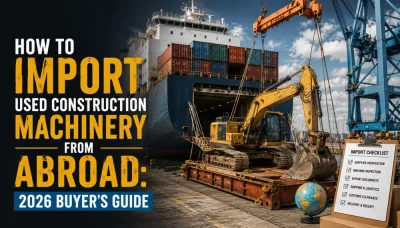 How to Import Used Construction Machinery from Abroad: 2026 Buyer's GuideRead more
A practical guide to importing used heavy equipment from abroad — sources, shipping options, customs, inspection, and...
-
 Caterpillar for Sale: Prices, Specs & Used Market Guide 2026Read more
A buyer's guide to used Caterpillar machines — the CAT 320-series excavators and road equipment, current price...
-
 Used Construction Machinery in the USA: 2026 Prices & Buyer's GuideRead more
A buyer's guide to used road construction and paving machinery from the USA — current price ranges, an inspection...
-
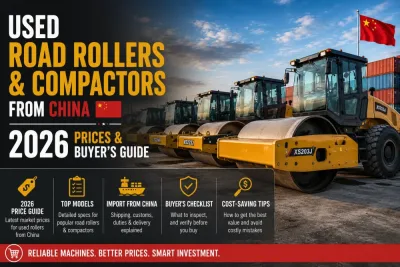 Used Road Rollers & Compactors from China: 2026 Prices & Buyer's GuideRead more
A buyer's guide to recent, low-hour used road rollers and compactors sourced from China — what is available, current...
-
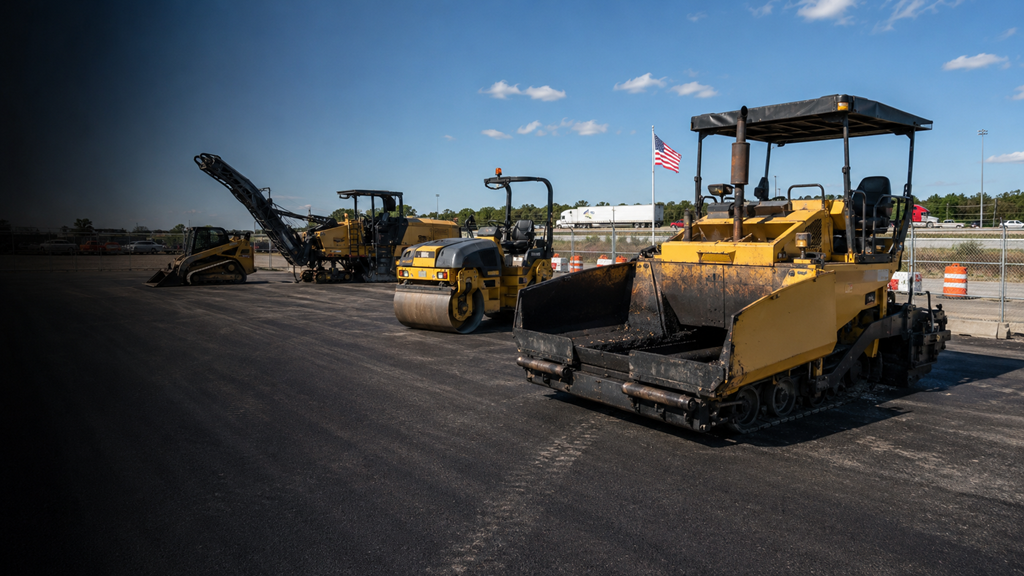 Used Asphalt & Paving Equipment in the USA: 2026 Prices & Buyer's GuideRead more
A practical buyer's guide to used asphalt and paving equipment sourced from the USA — what is available, current...
-
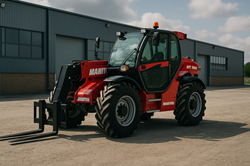 Manitou MT 1840 Telehandler 2026: Current Prices, Specs, and Buyer’s GuideRead more
The Manitou MT 1840 has established itself as one of the most versatile and trusted telehandlers in the global...
-
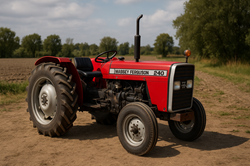 The Complete Guide to Massey Ferguson 240: Price, Specifications, and Global LegacyRead more
Massey Ferguson 240 sits in that sweet spot between light chores and real farm work. It’s part of the MF 200 series,...
-
 Ford Transit Box Truck for Sale: 2026 Buyer’s Guide for Small Business FleetsRead more
The Ford Transit box truck has long been a cornerstone of small business logistics, and in 2026 its position remains...
-
 The Ultimate Guide to Buying Trucks & Excavators: Prices, Deals, and Insights for Contractors in the USA, UK, Canada, and AustraliaRead more
For contractors, fleet managers, farmers, and construction companies, investing in the right trucks and excavators...
Blog categories
- Automotive Parts (21) click
- Heavy Machinery & Equipment Parts (6)
- OEM vs. Aftermarket Parts (1)
- Maintenance & Repair Tips (0)
- Parts Compatibility & Cross-Referencing (0)
- Sustainability & Recycling (1)
- Industry News & Trends (2)
- Buyer & Seller Guides (60)
- Performance Upgrades & Modifications (0)
- Product Reviews & Comparisons (1)
Search in blog
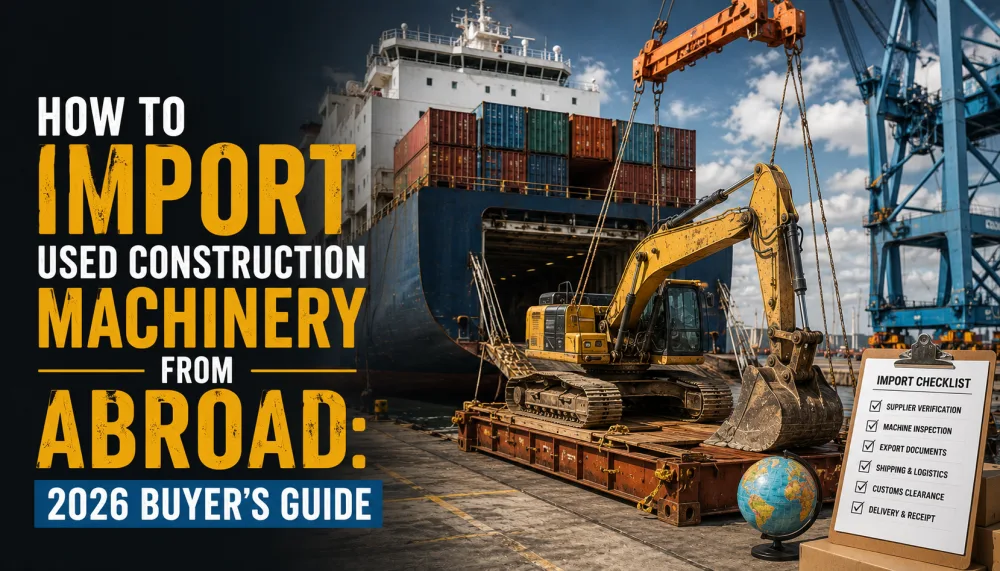
How to Import Used Construction Machinery from Abroad: 2026 Buyer's Guide
Buying used construction machinery abroad is often the fastest way to get a well-priced, work-ready machine — but importing heavy equipment is not the same as importing a car. Freight, customs and handling all cost more, and the machines are big enough that logistics can make or break the deal. This guide walks through where the equipment comes from, how shipping and customs actually work, and how to arrive at a realistic total cost before you commit.
Where used construction machinery is sold
Most cross-border machinery trade comes from a few well-established sources, and each has a character:
- The USA — a deep, liquid market with strong availability of pavers, milling machines, excavators and road equipment, and a mature export route.
- Europe — Germany, Poland, the Netherlands, France, Spain and neighbours supply well-maintained machines with good documentation and short sea freight within the continent.
- China — increasingly competitive for recent, low-hour machines at accessible prices, with a high-volume export infrastructure.
On AGGZ you will see machines listed from all three regions. Sorting by the seller's country is a good first filter, because the source affects freight cost, paperwork and lead time as much as the machine itself.
Shipping heavy equipment: your options
How a machine ships depends mostly on its size and whether it drives:
- RoRo (roll-on/roll-off) — for self-propelled machines that can be driven on and off the vessel. Usually the simplest and most economical route for wheeled and many tracked machines.
- Container — for smaller equipment and attachments that fit inside a 20ft or 40ft container; well protected and widely available.
- Flat-rack or breakbulk — for large or out-of-gauge machines (big excavators, pavers, milling machines) that exceed container dimensions. More specialised and more expensive.
Large machines may also need dismantling of the boom, arm or attachments to meet shipping dimensions, plus heavy-lift handling at both ports. Agree who arranges and pays for loading, lashing and port handling before you close — these are easy to underestimate.
Customs, duties and documentation
Import duties and taxes depend entirely on your destination country and the machine's classification, so check your local rates early — they can add a meaningful percentage to the landed cost. On the paperwork side, you will typically need the commercial invoice, the bill of lading, and the export documents from the origin country; some destinations also require proof of standards compliance (for example CE marking in the EU) or an emissions/roadworthiness check before the machine can be registered or used. Confirm up front that the seller can supply the documents your customs authority will ask for.
Inspecting and paying safely
Because you usually cannot stand next to the machine before it ships, do your diligence remotely and carefully:
- Verify hours and history — ask for the service records and photos of the hour meter.
- Request a running video — a cold start and a walk-around under power reveals a lot.
- Use an independent inspection where the value justifies it — a third-party surveyor at the origin is cheap insurance on a five- or six-figure machine.
- Deal with the seller directly and keep records — on AGGZ you contact the seller yourself, so agree terms in writing and keep the correspondence.
Working out the total landed cost
The sticker price is only part of the picture. A realistic landed cost is the machine price plus ocean freight, plus loading and port handling at both ends, plus customs duties and taxes, plus clearance and inland transport to your yard. On heavy, lower-value machines, freight and handling can be a large share of the total, so get a freight quote for the specific machine and route before you commit — not after.
Importing used machinery through AGGZ
You can browse machines by where they are located and contact sellers directly to arrange inspection, payment and shipping. Start with used construction machinery in the USA, or browse the full construction machinery catalogue and filter by country. Each listing is posted by the seller, with no middleman between you and the machine. If you export machinery yourself, you can also list it on AGGZ and reach international buyers searching for exactly what you have.
Related equipment for sale on AGGZ
| Machine | Year | Price | |
|---|---|---|---|
 2020 ZOOMLION 56m SCANIA Pump Truck - Turkish Construction Game-Changer!
|
— | $77,600.00 | View |
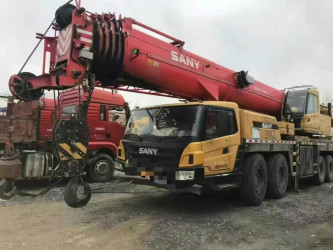 2019 SANY 80-Ton Crane - Heavy-Duty Powerhouse for Turkish Projects
|
— | $92,600.00 | View |
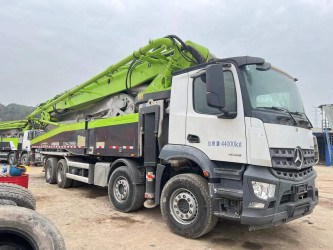 56 metre Zoomlion brand produced in 2021
|
— | $91,400.00 | View |
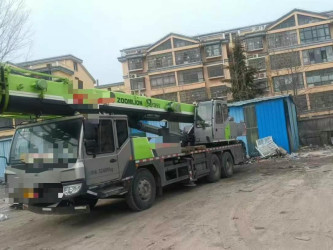 2018 ZOOMLION 25-Ton Crane - Your Next Smart Investment!
|
— | $35,900.00 | View |
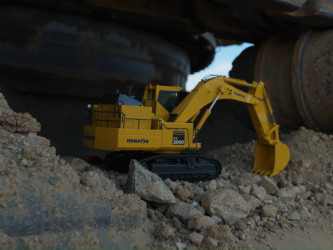 Komatsu PC2000 Excavator
|
— | — | View |
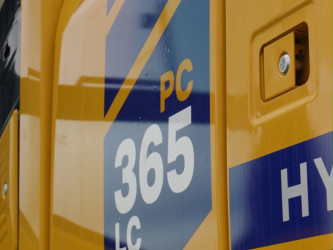 Komatsu PC365LC-11 Excavator
|
— | — | View |
Frequently asked questions
How much does used Excavators cost on AGGZ?
Prices depend on the year, operating hours and condition of each machine. Compare the current listings above to see real prices from sellers, then contact the seller directly.
What should I check when buying used Excavators?
Check the year of manufacture, operating hours or mileage, service and maintenance history, and overall condition. Arrange an inspection or request detailed photos before any payment.
Can I buy and export used Excavators from Turkey and abroad?
Yes. Many sellers on AGGZ ship internationally. Confirm shipping options, export documentation and payment terms directly with the seller before you buy.
Selling similar equipment?
List your machinery on AGGZ and reach buyers searching for Excavators, trucks, spare parts and industrial equipment.
Posted in:
Buyer & Seller Guides
Related posts
-
Used Road Rollers & Compactors in Poland: 2026 Prices & Buyer's Guide
A buyer's guide to used road rollers and compactors listed in Poland: what is available, current prices, what to...Read more
-
Caterpillar for Sale: Prices, Specs & Used Market Guide 2026
A buyer's guide to used Caterpillar machines — the CAT 320-series excavators and road equipment, current price...Read more
-
Used Construction Machinery in the USA: 2026 Prices & Buyer's Guide
A buyer's guide to used road construction and paving machinery from the USA — current price ranges, an inspection...Read more
-
Used Road Rollers & Compactors from China: 2026 Prices & Buyer's Guide
A buyer's guide to recent, low-hour used road rollers and compactors sourced from China — what is available, current...Read more
-
Used Asphalt & Paving Equipment in the USA: 2026 Prices & Buyer's Guide
A practical buyer's guide to used asphalt and paving equipment sourced from the USA — what is available, current...Read more
Leave a comment