
A buyer's guide to used road rollers and compactors listed in Poland: what is available, current prices, what to...
Latest posts
-
 Used Road Rollers & Compactors in Poland: 2026 Prices & Buyer's GuideRead more
 -
 How to Import Used Construction Machinery from Abroad: 2026 Buyer's GuideRead more
A practical guide to importing used heavy equipment from abroad — sources, shipping options, customs, inspection, and...
-
 Caterpillar for Sale: Prices, Specs & Used Market Guide 2026Read more
A buyer's guide to used Caterpillar machines — the CAT 320-series excavators and road equipment, current price...
-
 Used Construction Machinery in the USA: 2026 Prices & Buyer's GuideRead more
A buyer's guide to used road construction and paving machinery from the USA — current price ranges, an inspection...
-
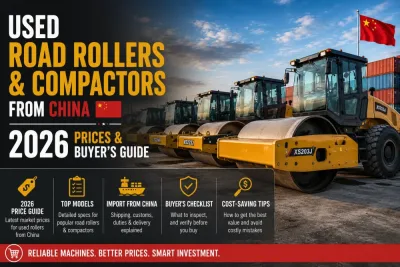 Used Road Rollers & Compactors from China: 2026 Prices & Buyer's GuideRead more
A buyer's guide to recent, low-hour used road rollers and compactors sourced from China — what is available, current...
-
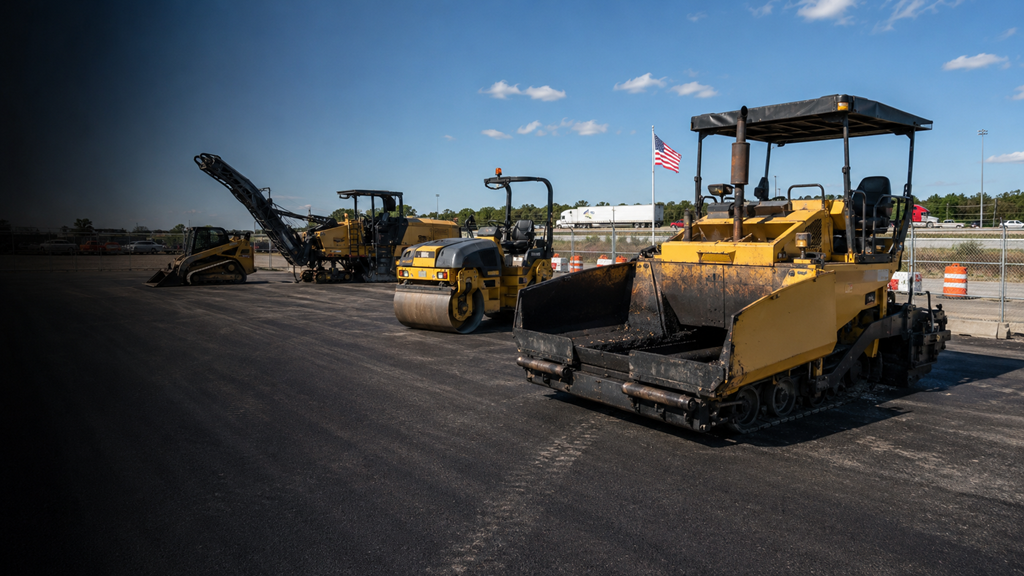 Used Asphalt & Paving Equipment in the USA: 2026 Prices & Buyer's GuideRead more
A practical buyer's guide to used asphalt and paving equipment sourced from the USA — what is available, current...
-
 Manitou MT 1840 Telehandler 2026: Current Prices, Specs, and Buyer’s GuideRead more
The Manitou MT 1840 has established itself as one of the most versatile and trusted telehandlers in the global...
-
 The Complete Guide to Massey Ferguson 240: Price, Specifications, and Global LegacyRead more
Massey Ferguson 240 sits in that sweet spot between light chores and real farm work. It’s part of the MF 200 series,...
-
 Ford Transit Box Truck for Sale: 2026 Buyer’s Guide for Small Business FleetsRead more
The Ford Transit box truck has long been a cornerstone of small business logistics, and in 2026 its position remains...
-
 The Ultimate Guide to Buying Trucks & Excavators: Prices, Deals, and Insights for Contractors in the USA, UK, Canada, and AustraliaRead more
For contractors, fleet managers, farmers, and construction companies, investing in the right trucks and excavators...
Blog categories
- Automotive Parts (21) click
- Heavy Machinery & Equipment Parts (6)
- OEM vs. Aftermarket Parts (1)
- Maintenance & Repair Tips (0)
- Parts Compatibility & Cross-Referencing (0)
- Sustainability & Recycling (1)
- Industry News & Trends (2)
- Buyer & Seller Guides (60)
- Performance Upgrades & Modifications (0)
- Product Reviews & Comparisons (1)
Search in blog
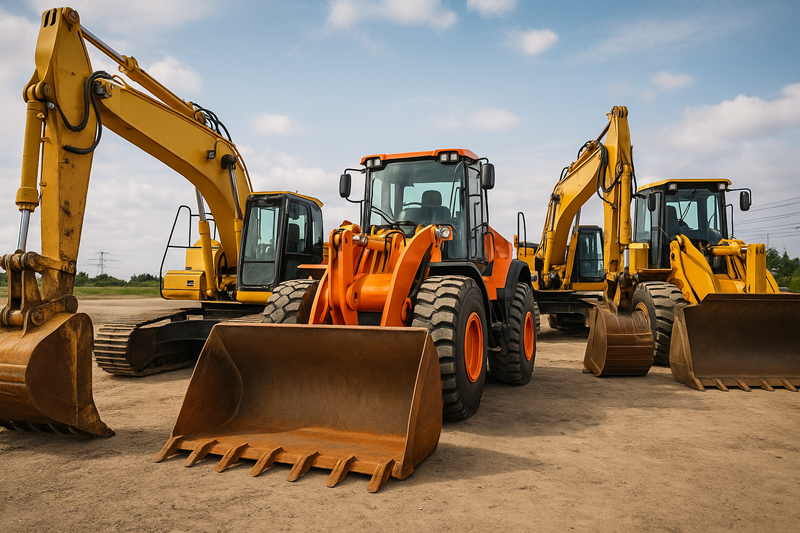
Top Construction Machinery for 2026 in the U.S.: Expert Insights for Smart Equipment Investment
If you’re managing a construction fleet or making equipment investment decisions in the U.S. in 2026, you already know this industry isn’t what it was five years ago. Between tightening emissions regulations, growing labor shortages, and the pressure to hit tighter project deadlines, contractors are facing a completely new landscape. The machines you choose to operate with in this climate aren’t just about horsepower or bucket size anymore—they’re about efficiency, compliance, uptime, and long-term value.
One of the biggest shifts shaping the U.S. construction equipment market is the push toward automation and electrification. Autonomous and semi-autonomous features are becoming more common, especially in higher-end excavators and dozers. Grade control systems, remote telematics, and operator-assist technologies are now expected, not exceptional. Simultaneously, electric and hybrid-powered machines are gaining traction, particularly in urban job sites where noise and emissions regulations are tightening. While diesel still dominates on large earthmoving projects, the tide is slowly turning—especially in states like California, New York, and Washington, where zero-emission initiatives are creating pressure on fleets to adapt sooner rather than later.
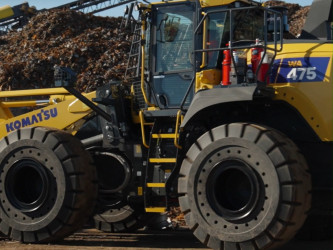
At the core of nearly every job site are excavators, and in 2026, these machines continue to lead in both demand and innovation. Mid-sized and compact excavators are especially popular for urban and residential development, while larger models remain essential for heavy civil and infrastructure work. Wheel loaders are still the workhorses of material handling, and their role in aggregate yards, quarries, and site prep projects keeps them essential in nearly every region. Bulldozers remain key for grading and land clearing, and with modern dozers now equipped with advanced GPS control systems, productivity is reaching new levels. Skid steer loaders and compact track loaders continue to be indispensable in tight-space operations, particularly for landscaping, snow removal, and interior demolition. Meanwhile, backhoe loaders, while somewhat less common than they used to be, still hold value in rural markets and utility applications. Cranes—whether mobile, tower, or crawler—are seeing an uptick in demand as the U.S. continues to invest in infrastructure, from bridges and data centers to high-rise buildings and wind energy.
Brand loyalty in U.S. construction runs deep, and for good reason. Caterpillar remains a dominant force, especially when it comes to dealer support, telematics, and long-term parts availability. John Deere has pushed hard in recent years with its expanding lineup of compact equipment and competitive financing programs. Bobcat continues to lead in the compact equipment space, constantly updating their skid steers and mini-excavators to stay ahead in urban construction. Komatsu is making real moves in hybrid power and integrated technology, appealing to forward-thinking contractors focused on fuel savings and automation. Hitachi, Volvo CE, CASE, and Kubota also deserve mention for their innovation in both reliability and operator comfort. The real game-changer, however, is no longer just brand performance—it’s how quickly a dealer can respond, how well they support your uptime, and how strong the resale market is when you’re ready to rotate the fleet.
When it comes to buying versus leasing, the decision in 2026 is more nuanced than ever. Leasing offers lower upfront costs and flexibility—especially appealing when you’re unsure how long the machine will be needed, or if you’re still waiting to see how certain technologies pan out. But ownership still makes sense for core fleet machines that will stay busy year-round. The real key is understanding total cost of ownership (TCO): that includes fuel consumption, expected maintenance intervals, parts costs, resale value, and operator productivity. Don’t let the initial sticker price blind you to a machine’s full lifecycle cost. Financing is still widely available, and most manufacturers are offering favorable rates through their in-house financing arms. Just be sure to ask your dealer about extended warranty options and what’s included in any maintenance plans—they can vary wildly.
Where your job site is located also matters. Urban projects often require quieter, low-emission, and compact equipment that can navigate tighter access points without sacrificing productivity. In contrast, remote builds—mining, wind farms, pipeline work—demand durability, fuel capacity, and machines that can run for long hours without service. Climate factors are also in play. Machines working in the heat of Arizona or humidity of Florida need different cooling and filtration systems than those operating in snowy Colorado or muddy Oregon hills. Knowing how to spec your equipment for these variables makes a massive difference in performance and longevity.
Construction in 2026 is a balancing act—between technology and tradition, budget and performance, emissions and productivity. The smart buyers are the ones who know that the most expensive machine isn’t always the best, and the cheapest option usually costs you in the long run. Instead, it’s about finding equipment that meets your crew’s needs, keeps you compliant, runs reliably, and holds its value when it’s time to rotate it out. In a market this fast-moving, those decisions make or break your profitability.
Frequently Asked Questions: Construction Equipment in the U.S. (2026)
What construction equipment holds its value best in the U.S. market?
Machines from Caterpillar, John Deere, and Komatsu consistently retain strong resale value due to brand reputation, nationwide dealer networks, and abundant parts support. Excavators and wheel loaders typically offer the best value retention across all regions, especially mid-size models that appeal to a broader range of buyers.
Is it worth buying electric machines in 2026?
It depends on your use case. For urban contractors or operations in emission-restricted zones, electric machines can offer major advantages in noise, compliance, and long-term fuel savings. But for heavy-duty, off-grid projects, diesel still offers unmatched runtime and refueling convenience. Expect to see more hybrid options in the coming years as a middle ground.
How can I compare lifecycle costs between brands?
Start with TCO calculators offered by major manufacturers, but also talk to contractors in your region. Ask about average fuel use, service intervals, parts availability, and downtime. Your dealer’s service reputation plays a big role—lifecycle cost is as much about support as specs on paper.
What are the tax benefits or Section 179 updates for machinery purchases in 2026?
In 2026, Section 179 still allows businesses to deduct up to $1,160,000 in equipment purchases, with a phase-out starting at $2,890,000. Bonus depreciation remains at 60%, offering major incentives to buy before year-end. Always consult a tax advisor, as rules vary by state and can change quickly.
Which U.S. states have incentive programs for green construction equipment?
California leads with grants and rebate programs for electric and hybrid machinery. New York, Oregon, and Washington also have green equipment incentive programs. These can offset costs for switching to cleaner technology, especially for fleet operators doing public infrastructure work.
Is leasing better than buying in 2026?
Leasing is attractive for contractors with seasonal demand or projects that require specialized gear for a limited time. But if you plan to use the machine heavily year-round, ownership can be more cost-effective, especially when resale value is high and interest rates are favorable.
Are compact machines still worth investing in?
Absolutely. Skid steers, compact excavators, and mini track loaders remain some of the most versatile machines on site. With tight urban infill projects on the rise, compact equipment continues to be in high demand, and brands like Bobcat and Kubota are doubling down on this segment.
What role does telematics play in 2026 fleet management?
Telematics is now essential for any serious fleet. From tracking idle time and fuel burn to preemptive maintenance alerts and operator behavior, connected machines save money, reduce downtime, and give fleet managers full visibility. Most OEMs now include telematics as standard on new equipment.
What are some challenges with electric construction equipment?
Charging infrastructure, limited range, and higher upfront costs remain concerns. Cold climates can impact battery performance. But for certain use cases—like interior demolition, municipal jobs, or night work—electric gear is increasingly viable and often preferred.
How do weather conditions affect machine specs?
High-heat areas require upgraded cooling systems and dust filtration. Wet or cold environments call for corrosion protection and cold-start kits. Failing to account for your climate can reduce performance and shorten machine lifespan dramatically.
Which brands offer the best after-sales support in the U.S.?
Caterpillar and John Deere are well-known for exceptional dealer support. Komatsu and Bobcat also have strong national networks. Ultimately, the best brand is the one with a responsive local dealer who stocks parts and sends technicians when you need them most.
Can I finance used equipment in 2026?
Yes. Many dealers and third-party lenders offer financing for used machinery, though terms vary based on machine age and hours. OEM-certified pre-owned programs often come with warranties and better rates, making them a solid middle ground between new and auction-purchased gear.
Is there a growing demand for operator-assist technologies?
Definitely. With experienced operators retiring and fewer young workers entering the field, systems like grade control, tilt assist, and automatic bucket returns are not just productivity boosters—they’re necessities for keeping newer operators efficient and safe.
How long should I expect new equipment to last with proper maintenance?
Depending on usage, you can expect 8,000 to 12,000 hours from a well-maintained excavator or loader. Compact machines may run fewer hours, but modern engines and hydraulic systems are built for longevity. Telematics and routine service are key to hitting the upper end of that lifespan.
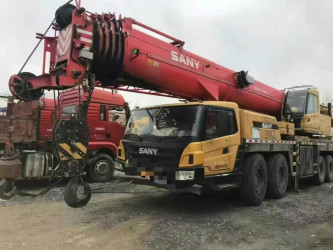
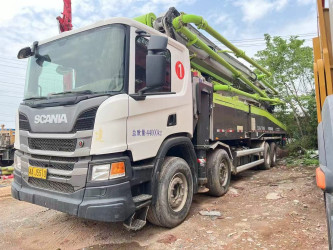
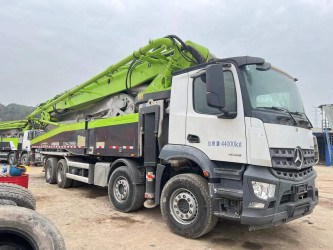
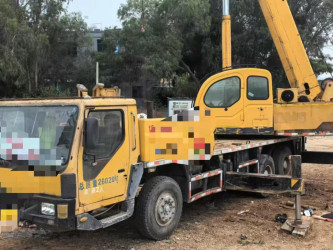
Related equipment for sale on AGGZ
Frequently asked questions
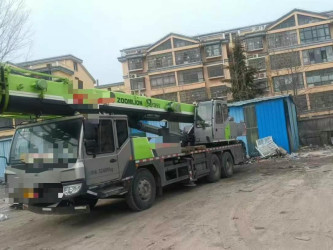
How much does used Cranes cost on AGGZ?
Prices depend on the year, operating hours and condition of each machine. Compare the current listings above to see real prices from sellers, then contact the seller directly.
What should I check when buying used Cranes?
Check the year of manufacture, operating hours or mileage, service and maintenance history, and overall condition. Arrange an inspection or request detailed photos before any payment.
Can I buy and export used Cranes from Turkey and abroad?
Yes. Many sellers on AGGZ ship internationally. Confirm shipping options, export documentation and payment terms directly with the seller before you buy.
Selling similar equipment?
List your machinery on AGGZ and reach buyers searching for Cranes, trucks, spare parts and industrial equipment.
Posted in:
Buyer & Seller Guides
Related posts
-
Used Road Rollers & Compactors in Poland: 2026 Prices & Buyer's Guide
A buyer's guide to used road rollers and compactors listed in Poland: what is available, current prices, what to...Read more
-
How to Import Used Construction Machinery from Abroad: 2026 Buyer's Guide
A practical guide to importing used heavy equipment from abroad — sources, shipping options, customs, inspection, and...Read more
-
Caterpillar for Sale: Prices, Specs & Used Market Guide 2026
A buyer's guide to used Caterpillar machines — the CAT 320-series excavators and road equipment, current price...Read more
-
Used Construction Machinery in the USA: 2026 Prices & Buyer's Guide
A buyer's guide to used road construction and paving machinery from the USA — current price ranges, an inspection...Read more
-
Used Road Rollers & Compactors from China: 2026 Prices & Buyer's Guide
A buyer's guide to recent, low-hour used road rollers and compactors sourced from China — what is available, current...Read more
Leave a comment