
A buyer's guide to used road rollers and compactors listed in Poland: what is available, current prices, what to...
Latest posts
-
 Used Road Rollers & Compactors in Poland: 2026 Prices & Buyer's GuideRead more
 -
 How to Import Used Construction Machinery from Abroad: 2026 Buyer's GuideRead more
A practical guide to importing used heavy equipment from abroad — sources, shipping options, customs, inspection, and...
-
 Caterpillar for Sale: Prices, Specs & Used Market Guide 2026Read more
A buyer's guide to used Caterpillar machines — the CAT 320-series excavators and road equipment, current price...
-
 Used Construction Machinery in the USA: 2026 Prices & Buyer's GuideRead more
A buyer's guide to used road construction and paving machinery from the USA — current price ranges, an inspection...
-
 Used Road Rollers & Compactors from China: 2026 Prices & Buyer's GuideRead more
A buyer's guide to recent, low-hour used road rollers and compactors sourced from China — what is available, current...
-
 Used Asphalt & Paving Equipment in the USA: 2026 Prices & Buyer's GuideRead more
A practical buyer's guide to used asphalt and paving equipment sourced from the USA — what is available, current...
-
 Manitou MT 1840 Telehandler 2026: Current Prices, Specs, and Buyer’s GuideRead more
The Manitou MT 1840 has established itself as one of the most versatile and trusted telehandlers in the global...
-
 The Complete Guide to Massey Ferguson 240: Price, Specifications, and Global LegacyRead more
Massey Ferguson 240 sits in that sweet spot between light chores and real farm work. It’s part of the MF 200 series,...
-
 Ford Transit Box Truck for Sale: 2026 Buyer’s Guide for Small Business FleetsRead more
The Ford Transit box truck has long been a cornerstone of small business logistics, and in 2026 its position remains...
-
 The Ultimate Guide to Buying Trucks & Excavators: Prices, Deals, and Insights for Contractors in the USA, UK, Canada, and AustraliaRead more
For contractors, fleet managers, farmers, and construction companies, investing in the right trucks and excavators...
Blog categories
- Automotive Parts (21) click
- Heavy Machinery & Equipment Parts (6)
- OEM vs. Aftermarket Parts (1)
- Maintenance & Repair Tips (0)
- Parts Compatibility & Cross-Referencing (0)
- Sustainability & Recycling (1)
- Industry News & Trends (2)
- Buyer & Seller Guides (60)
- Performance Upgrades & Modifications (0)
- Product Reviews & Comparisons (1)
Search in blog
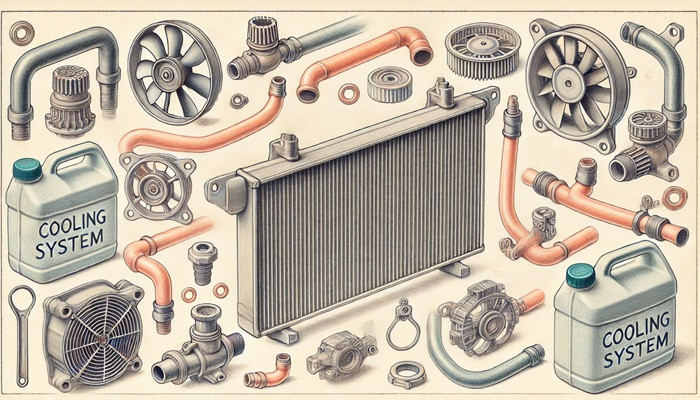
Cooling System Components Glossary
The cooling system is essential to prevent engine overheating and maintain optimal operating temperature. Here is a detailed breakdown of each cooling system component and its function.
1. Radiator Core
The radiator core is the central part of the radiator where coolant flows through, dissipating heat from the engine by allowing airflow to cool the fluid.
2. Coolant Reservoir
The coolant reservoir holds excess coolant expelled from the radiator when the engine heats up and helps maintain proper coolant levels.
3. Radiator Cap
The radiator cap seals the radiator and controls pressure within the cooling system, ensuring that coolant flows properly and doesn’t boil over.
4. Water Pump Pulley
The water pump pulley drives the water pump, enabling coolant circulation through the engine and radiator to keep temperatures stable.
5. Cooling Fan Shroud
The fan shroud channels airflow through the radiator, improving cooling efficiency by directing more air over the radiator core.
6. Radiator Hose
The radiator hose transports coolant between the radiator and engine, allowing for efficient heat transfer.
7. Heater Core
The heater core transfers heat from the engine coolant to warm the air that flows into the cabin, providing heat for passengers.
8. Thermostat Housing
The thermostat housing holds the thermostat and regulates coolant flow based on engine temperature.
9. Expansion Tank
The expansion tank stores excess coolant, allowing it to expand as the engine heats up and preventing system pressure buildup.
10. Water Inlet
The water inlet connects the water pump to the radiator, directing coolant flow into the engine.
11. Engine Coolant Pipe
Engine coolant pipes carry coolant to various engine parts, ensuring consistent temperature control throughout the system.
12. Coolant Temperature Switch
This switch monitors the coolant temperature and may activate cooling fans when temperatures exceed a certain threshold.
13. Heater Hose
Heater hoses carry hot coolant from the engine to the heater core, allowing warm air to circulate in the cabin.
14. Radiator Fan Clutch
The radiator fan clutch controls fan speed, engaging the fan more at high temperatures and disengaging it to save energy at lower temperatures.
15. Coolant Bleeder Valve
The coolant bleeder valve allows trapped air to escape from the cooling system, preventing air pockets that can disrupt coolant flow.
16. Fan Shroud Mount
The fan shroud mount secures the fan shroud to the radiator, ensuring stable positioning and optimal airflow direction.
17. Radiator Drain Plug
The radiator drain plug provides a controlled way to drain old coolant from the radiator during maintenance.
18. Water Outlet Housing
The water outlet housing directs coolant out of the engine and back into the radiator, allowing it to cool before re-entering the engine.
19. Coolant Flange
The coolant flange connects various coolant hoses, guiding coolant flow through different parts of the engine.
20. Fan Relay
The fan relay controls the electric radiator fan, switching it on or off based on engine temperature to prevent overheating.
21. Coolant Hose Clamp
Coolant hose clamps secure the hoses to the radiator and engine, preventing coolant leaks and maintaining a closed system.
22. Radiator Support Bracket
The radiator support bracket secures the radiator to the vehicle frame, ensuring stability and alignment for efficient cooling.
23. Engine Oil Cooler Line
Engine oil cooler lines carry oil to the oil cooler, reducing oil temperature and preventing engine overheating.
24. Electric Radiator Fan
The electric radiator fan assists in cooling the radiator by blowing air over the core, often triggered by the coolant temperature switch.
25. Engine Block Heater
An engine block heater preheats the engine coolant, useful in cold climates for easier starting and quicker warming of the engine.
26. Coolant Heater
The coolant heater warms the coolant before starting the engine, helping improve start-up efficiency in cold weather.
27. Thermostat Gasket
The thermostat gasket creates a seal between the thermostat housing and engine, preventing coolant leaks.
28. Engine Oil Cooler
The engine oil cooler reduces the temperature of engine oil, contributing to overall cooling and enhancing engine performance.
29. Engine Coolant Bypass Hose
The engine coolant bypass hose allows coolant to bypass the radiator and circulate through the engine, particularly when the engine is cold.
30. Radiator Support Panel
The radiator support panel provides a mounting structure for the radiator, ensuring proper alignment and stability.
31. Radiator Drain Cock
The radiator drain cock is a valve used to release coolant from the radiator, often during maintenance or coolant replacement.
32. Thermostat Cover
The thermostat cover protects the thermostat and helps secure it within the thermostat housing.
33. Fan Motor
The fan motor powers the radiator fan, helping cool the engine by moving air through the radiator core.
34. Coolant Tube
The coolant tube guides coolant flow between different components, contributing to an efficient cooling circuit.
35. Heater Control Valve
The heater control valve regulates coolant flow to the heater core, controlling cabin heat.
36. Fan Blade
The fan blade circulates air over the radiator, dissipating engine heat through forced airflow.
37. Heater Bypass Valve
The heater bypass valve allows coolant to bypass the heater core, reducing cabin heat when not needed.
38. Water Temperature Sender
The water temperature sender monitors coolant temperature, sending data to the vehicle's gauge to alert drivers of engine temperature.
39. Auxiliary Water Pump
The auxiliary water pump boosts coolant circulation, especially in high-performance vehicles or where additional cooling is needed.
40. Radiator Support Cushion
The radiator support cushion absorbs vibrations, preventing damage to the radiator and supporting smooth operation.
41. Coolant Pipe O-Ring
The coolant pipe O-ring provides a leak-free seal between coolant pipes, preventing coolant loss and maintaining pressure.
42. Coolant Temperature Sending Unit
The coolant temperature sending unit measures coolant temperature, sending data to the temperature gauge.
43. Intercooler Mount
The intercooler mount secures the intercooler, which cools air from the turbocharger, helping maintain proper temperature.
44. Cooling System Cap
The cooling system cap seals the expansion tank or radiator, controlling pressure to prevent coolant boil-over.
45. Radiator Support Seal
The radiator support seal minimizes airflow loss around the radiator, directing more air over the radiator core for efficient cooling.
46. Water Pump Kit
The water pump kit includes the water pump and necessary components, like gaskets, for complete installation or replacement.
47. Overflow Hose
The overflow hose allows excess coolant to flow from the radiator to the reservoir, preventing pressure buildup.
48. Cooling Fan Bracket
The cooling fan bracket mounts the fan securely to the radiator or engine, allowing stable airflow.
49. Oil Cooler Hose
The oil cooler hose transports oil to and from the engine oil cooler, reducing oil temperature and enhancing performance.
50. Radiator Support Bushing
The radiator support bushing isolates the radiator from vibrations, preventing damage and ensuring stability.
Related equipment for sale on AGGZ
Frequently asked questions
How much does used Spare Parts cost on AGGZ?
Prices depend on the year, operating hours and condition of each machine. Compare the current listings above to see real prices from sellers, then contact the seller directly.
What should I check when buying used Spare Parts?
Check the year of manufacture, operating hours or mileage, service and maintenance history, and overall condition. Arrange an inspection or request detailed photos before any payment.
Can I buy and export used Spare Parts from Turkey and abroad?
Yes. Many sellers on AGGZ ship internationally. Confirm shipping options, export documentation and payment terms directly with the seller before you buy.
Selling similar equipment?
List your machinery on AGGZ and reach buyers searching for Spare Parts, trucks, spare parts and industrial equipment.
Posted in:
Automotive Parts
Related posts
-
 Unleash the Power: A Complete Guide to Essential Engine Parts
A comprehensive, expert-level guide that explains how car engines work by breaking down all essential components—from...Read more
Unleash the Power: A Complete Guide to Essential Engine Parts
A comprehensive, expert-level guide that explains how car engines work by breaking down all essential components—from...Read more -
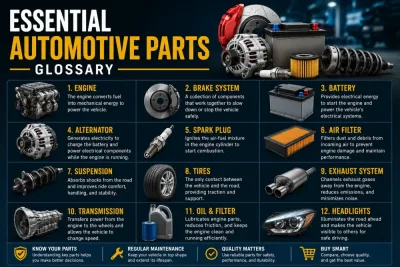 Essential Automotive Parts Glossary
For anyone diving into the world of automotive parts, understanding each component’s function is crucial. Here’s a...Read more
Essential Automotive Parts Glossary
For anyone diving into the world of automotive parts, understanding each component’s function is crucial. Here’s a...Read more -
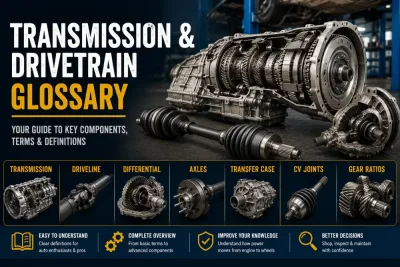 Transmission & Drivetrain Glossary
Here is an essential guide to key components in the transmission and drivetrain systems, providing a clear...Read more
Transmission & Drivetrain Glossary
Here is an essential guide to key components in the transmission and drivetrain systems, providing a clear...Read more -
 Electrical & Lighting Components
In automotive systems, electrical and lighting components are essential for visibility, safety, and functionality....Read more
Electrical & Lighting Components
In automotive systems, electrical and lighting components are essential for visibility, safety, and functionality....Read more -
 Suspension & Steering Glossary
The Suspension & Steering system ensures a smooth, stable ride by absorbing shocks and allowing control over the...Read more
Suspension & Steering Glossary
The Suspension & Steering system ensures a smooth, stable ride by absorbing shocks and allowing control over the...Read more
Leave a comment