
A buyer's guide to used road rollers and compactors listed in Poland: what is available, current prices, what to...
Latest posts
-
 Used Road Rollers & Compactors in Poland: 2026 Prices & Buyer's GuideRead more
 -
 How to Import Used Construction Machinery from Abroad: 2026 Buyer's GuideRead more
A practical guide to importing used heavy equipment from abroad — sources, shipping options, customs, inspection, and...
-
 Caterpillar for Sale: Prices, Specs & Used Market Guide 2026Read more
A buyer's guide to used Caterpillar machines — the CAT 320-series excavators and road equipment, current price...
-
 Used Construction Machinery in the USA: 2026 Prices & Buyer's GuideRead more
A buyer's guide to used road construction and paving machinery from the USA — current price ranges, an inspection...
-
 Used Road Rollers & Compactors from China: 2026 Prices & Buyer's GuideRead more
A buyer's guide to recent, low-hour used road rollers and compactors sourced from China — what is available, current...
-
 Used Asphalt & Paving Equipment in the USA: 2026 Prices & Buyer's GuideRead more
A practical buyer's guide to used asphalt and paving equipment sourced from the USA — what is available, current...
-
 Manitou MT 1840 Telehandler 2026: Current Prices, Specs, and Buyer’s GuideRead more
The Manitou MT 1840 has established itself as one of the most versatile and trusted telehandlers in the global...
-
 The Complete Guide to Massey Ferguson 240: Price, Specifications, and Global LegacyRead more
Massey Ferguson 240 sits in that sweet spot between light chores and real farm work. It’s part of the MF 200 series,...
-
 Ford Transit Box Truck for Sale: 2026 Buyer’s Guide for Small Business FleetsRead more
The Ford Transit box truck has long been a cornerstone of small business logistics, and in 2026 its position remains...
-
 The Ultimate Guide to Buying Trucks & Excavators: Prices, Deals, and Insights for Contractors in the USA, UK, Canada, and AustraliaRead more
For contractors, fleet managers, farmers, and construction companies, investing in the right trucks and excavators...
Blog categories
- Automotive Parts (21) click
- Heavy Machinery & Equipment Parts (6)
- OEM vs. Aftermarket Parts (1)
- Maintenance & Repair Tips (0)
- Parts Compatibility & Cross-Referencing (0)
- Sustainability & Recycling (1)
- Industry News & Trends (2)
- Buyer & Seller Guides (60)
- Performance Upgrades & Modifications (0)
- Product Reviews & Comparisons (1)
Search in blog
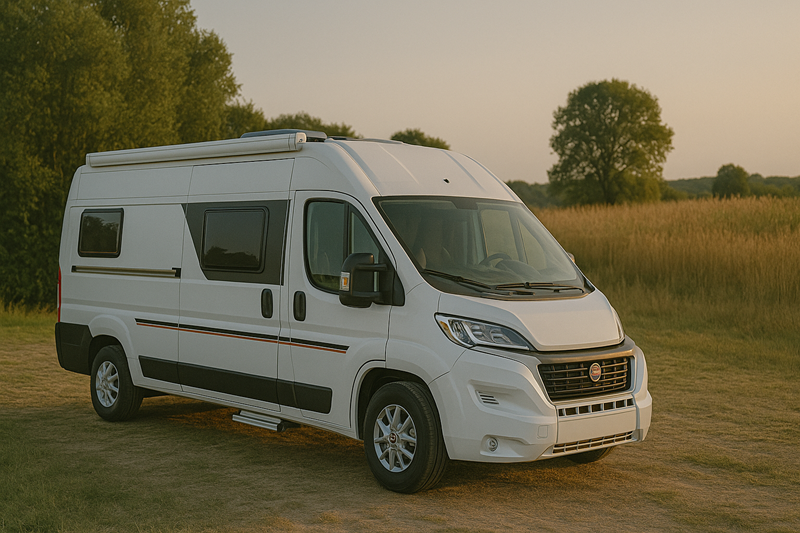
Ultimate Guide to Buying a Camper Van in the U.S. (2026): Prices, Brands, and Expert Buying Tips
Camper vans have become more than a recreational vehicle — they’re now mobile homes, remote offices, and investment tools all in one. In 2026, the U.S. camper van market is thriving, driven by a surge in digital nomadism, road trip culture, and flexible lifestyles. Whether you're a first-time buyer, a vanlife enthusiast, or a fleet operator, this guide will walk you through everything from real prices to platform choices, helping you make a confident and informed purchase.
Current U.S. Market Overview (2026)
The American RV and camper van industry is undergoing a shift. While Class A and C motorhomes still have loyal followers, compact camper vans (Class B) are dominating growth trends. Millennials and Gen Z buyers, drawn to minimalist living and remote work, are fueling this demand.
Conversion popularity is booming, with many people opting for DIY builds or small business customizers. Financing options have expanded, and even traditional dealerships now offer Class B inventory. Rising fuel efficiency, increased resale value, and the availability of van-specific insurance policies have also helped solidify camper vans as both lifestyle and financial investments.
Pros and Cons of Owning a Camper Van
The Benefits
Owning a camper van means having the freedom to travel, live, or work from virtually anywhere. You skip hotels, reduce travel planning stress, and gain mobility. Camper vans also tend to have better fuel economy than larger RVs and retain strong resale value if well maintained.
The Challenges
However, camper vans come with trade-offs. Initial purchase or conversion costs can be steep. Maintenance is ongoing — from engine work to plumbing repairs. Parking restrictions in urban areas, insurance premiums, and limited onboard space can make full-time vanlife challenging without realistic expectations.
Step-by-Step Buying Guide
Determine Your Needs
Start by clarifying your primary purpose. Will you use the van for weekend camping, full-time living, remote work, or business use? Consider:
-
Number of passengers
-
Seasonal use (winter insulation?)
-
Off-grid capability vs. campground comfort
This will guide everything from layout design to power systems.
Compare New vs. Used vs. DIY
New vans come with warranties and modern tech but cost more. Used vans are cheaper but may require repairs. DIY conversions save money and offer customization — yet require time, tools, and legal compliance (e.g., insurance, titling as RV).
Commercially converted vans (e.g., Winnebago Solis) offer a middle ground, with professional finishes at a semi-premium price.
Choose a Platform (Sprinter, Transit, ProMaster, etc.)
Selecting the right van chassis affects comfort, resale, and conversion potential.
-
Mercedes Sprinter: Premium, AWD available, ideal for luxury or off-grid builds. Expensive parts.
-
Ford Transit: Widely serviced, more affordable AWD option. High roof options.
-
Ram ProMaster: Budget-friendly, FWD, boxy interior ideal for buildouts. Lower ground clearance.
Think carefully about drivetrain, fuel type, and interior dimensions before committing.
Plan Your Budget (Financing, Taxes, Insurance)
Factor in:
-
Base vehicle cost ($40K–$90K+)
-
Conversion ($10K–$80K depending on quality)
-
Sales tax, DMV registration, and insurance
-
Optional: solar, lithium batteries, water systems
Explore RV loans, credit union financing, or cash purchases. Ask insurance providers about RV classification for coverage.
Finalize Purchase + Prepare for Use
Once you choose your van, schedule a mechanical inspection. Confirm it’s titled correctly — Class B RV if possible for insurance savings. Prep essentials: propane tanks, fire extinguisher, carbon monoxide detector, and insurance documents. Then: hit the road.
Top Camper Van Brands & Comparisons (2026)
Mercedes Sprinter
The Mercedes Sprinter remains the go-to for premium builds in 2026. With options for AWD, diesel engines, and high-roof configurations, it's ideal for travelers who want to venture off-grid without sacrificing comfort. It's also the chassis of choice for many professional builders like Sportsmobile, Outside Van, and Thor.
Typical Price Range (2026): $70,000 – $160,000 (base + conversion)
Ford Transit
More accessible than the Sprinter, the Transit is favored for its drivability and nationwide service network. In 2026, AWD options and eco-boost engines make it a solid choice for most buyers. It's especially attractive to DIYers thanks to its affordability and easy-to-work-on frame.
Typical Price Range (2026): $55,000 – $120,000
Ram ProMaster
The Ram ProMaster appeals to budget-conscious vanlifers and new builders. Its FWD drivetrain provides great traction and easier handling in snow or gravel. The boxy cargo space makes conversions straightforward, with flat walls and ceilings.
Typical Price Range (2026): $45,000 – $90,000
Winnebago Solis
The Solis is one of the most successful factory-built camper vans in the U.S., built on either a Ram ProMaster or Transit base. It comes with a pop-top option, wet bath, and solar-ready electrical systems — perfect for part-time travelers or families.
Typical Price Range (2026): $90,000 – $130,000
Airstream Interstate
Built on the Mercedes Sprinter chassis, the Interstate is the epitome of luxury van travel. High-end finishes, advanced safety systems, and brand cachet make it a favorite among retirees and premium buyers.
Typical Price Range (2026): $160,000 – $220,000
Thor Tellaro
The Tellaro is Thor Motor Coach’s entry into the camper van market, and it's built on the Ram ProMaster chassis. It includes standard solar, lithium battery systems, and touchscreen control panels. Designed for weekend warriors, it's competitively priced with flexible layouts.
Typical Price Range (2026): $95,000 – $115,000
Pleasure-Way
A boutique Canadian manufacturer, Pleasure-Way offers luxury conversions with excellent craftsmanship and quality. Often built on Mercedes or Ford chassis, these Class B vans are made for full-timers who want durability and attention to detail.
Typical Price Range (2026): $140,000 – $180,000
Common Mistakes and How to Avoid Them
-
Underestimating total costs: Many buyers budget only for the van, not conversion, insurance, or gear.
-
Skipping inspection on used vans: Always get a full mechanical review.
-
Over-customizing: Highly personalized builds may hurt resale value.
-
Titling & insurance confusion: A converted van needs to be legally recognized as an RV to get proper coverage.
-
Ignoring weight limits: Overloading can damage suspension and void insurance claims.
Frequently Asked Questions (FAQs)
1. How much does it cost to convert a camper van in the U.S. in 2026? Anywhere from $10,000 for a DIY build to $80,000+ for a professional custom conversion.
2. Is it better to buy a pre-built van or do a DIY conversion? It depends on budget, time, and skill. DIY saves money but requires labor. Pre-built vans are quicker and often come with warranties.
3. Can I finance a camper van like a car? Yes. Many lenders offer RV loans with terms up to 20 years, especially if the van is titled as a Class B RV.
4. What’s the best van platform for off-grid use? Mercedes Sprinter (AWD or 4x4) with aftermarket suspension and solar systems.
5. Do I need insurance for my converted van? Yes, and make sure it’s classified as an RV to ensure coverage of interior modifications.
6. Can I live in a camper van full-time legally? In most states, yes — though local zoning laws may restrict overnight parking.
7. Which vans are best for tall people? Ford Transit high-roof and Mercedes Sprinter extended-length models.
8. How long do camper vans last? With proper maintenance, over 200,000 miles. Diesel vans often last longer.
9. Are electric camper vans available in 2026? Yes, but availability is still limited. Ford E-Transit and some startups are pioneering this space.
10. Can I rent before I buy? Absolutely. Platforms like Outdoorsy and Escape Campervans let you try before committing.
Conclusion
Whether you're escaping to the mountains for the weekend or planning a year-long road journey, owning a camper van in the U.S. in 2026 has never been more appealing — or more accessible. With the right research and planning, you can find a model that matches your lifestyle and budget.
Explore your options, speak with experienced builders or consultants, and test drive different models before purchasing. The road ahead is wide open — and your van is waiting.
Related equipment for sale on AGGZ
| Machine | Year | Location | Price | |
|---|---|---|---|---|
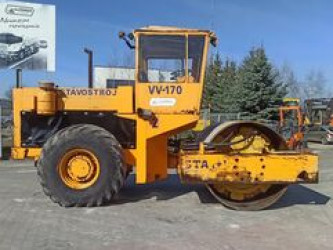 Stavostroj VV-170 Single Drum Compactor 1985
|
1985 | Poland | $13,700.00 | View |
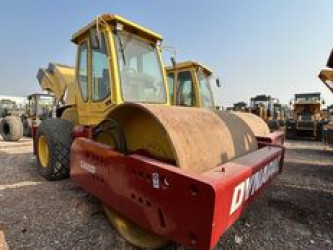 Dynapac CA-602-D Single Drum Compactor 2021
|
2021 | China | $19,500.00 | View |
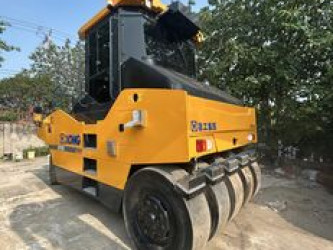 XCMG XS223J Single Drum Compactor 2023
|
2024 | China | $24,900.00 | View |
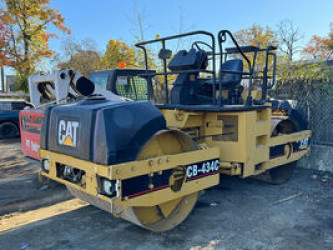 Caterpillar CB-434C Tandem Roller 2006
|
2006 | USA | $24,500.00 | View |
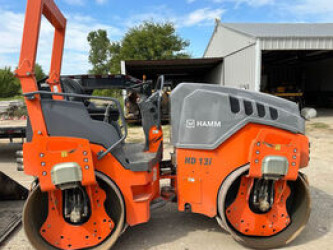 Hamm HD-13i VV Mini Roller 2016
|
2016 | USA | $39,000.00 | View |
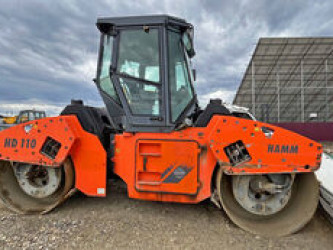 Hamm HD110 Tandem Roller 2015
|
2015 | Ukraine | $60,780.00 | View |
Frequently asked questions
How much does used Road Construction Equipment cost on AGGZ?
Prices depend on the year, operating hours and condition of each machine. Compare the current listings above to see real prices from sellers, then contact the seller directly.
What should I check when buying used Road Construction Equipment?
Check the year of manufacture, operating hours or mileage, service and maintenance history, and overall condition. Arrange an inspection or request detailed photos before any payment.
Can I buy and export used Road Construction Equipment from Turkey and abroad?
Yes. Many sellers on AGGZ ship internationally. Confirm shipping options, export documentation and payment terms directly with the seller before you buy.
Selling similar equipment?
List your machinery on AGGZ and reach buyers searching for Road Construction Equipment, trucks, spare parts and industrial equipment.
Posted in:
Buyer & Seller Guides
Related posts
-
Used Road Rollers & Compactors in Poland: 2026 Prices & Buyer's Guide
A buyer's guide to used road rollers and compactors listed in Poland: what is available, current prices, what to...Read more
-
How to Import Used Construction Machinery from Abroad: 2026 Buyer's Guide
A practical guide to importing used heavy equipment from abroad — sources, shipping options, customs, inspection, and...Read more
-
Caterpillar for Sale: Prices, Specs & Used Market Guide 2026
A buyer's guide to used Caterpillar machines — the CAT 320-series excavators and road equipment, current price...Read more
-
Used Construction Machinery in the USA: 2026 Prices & Buyer's Guide
A buyer's guide to used road construction and paving machinery from the USA — current price ranges, an inspection...Read more
-
Used Road Rollers & Compactors from China: 2026 Prices & Buyer's Guide
A buyer's guide to recent, low-hour used road rollers and compactors sourced from China — what is available, current...Read more
Leave a comment