
A buyer's guide to used road rollers and compactors listed in Poland: what is available, current prices, what to...
Latest posts
-
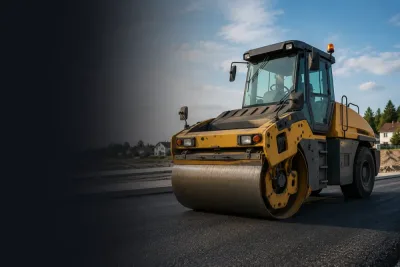 Used Road Rollers & Compactors in Poland: 2026 Prices & Buyer's GuideRead more
 -
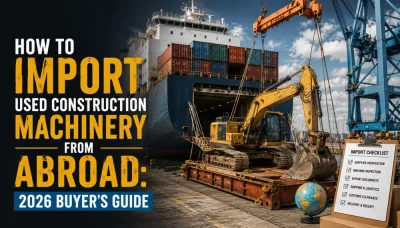 How to Import Used Construction Machinery from Abroad: 2026 Buyer's GuideRead more
A practical guide to importing used heavy equipment from abroad — sources, shipping options, customs, inspection, and...
-
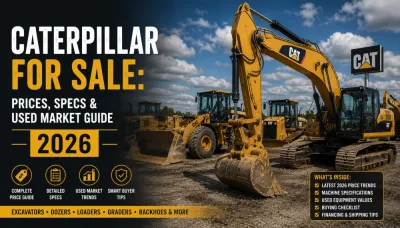 Caterpillar for Sale: Prices, Specs & Used Market Guide 2026Read more
A buyer's guide to used Caterpillar machines — the CAT 320-series excavators and road equipment, current price...
-
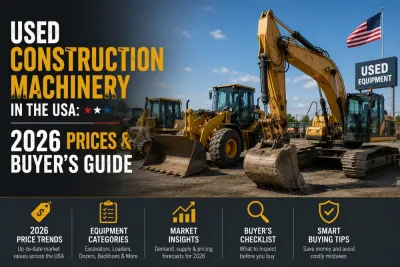 Used Construction Machinery in the USA: 2026 Prices & Buyer's GuideRead more
A buyer's guide to used road construction and paving machinery from the USA — current price ranges, an inspection...
-
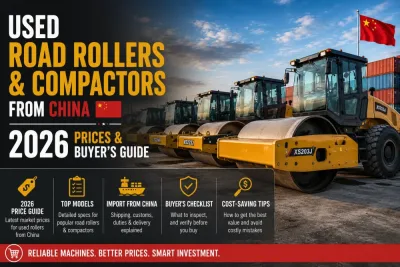 Used Road Rollers & Compactors from China: 2026 Prices & Buyer's GuideRead more
A buyer's guide to recent, low-hour used road rollers and compactors sourced from China — what is available, current...
-
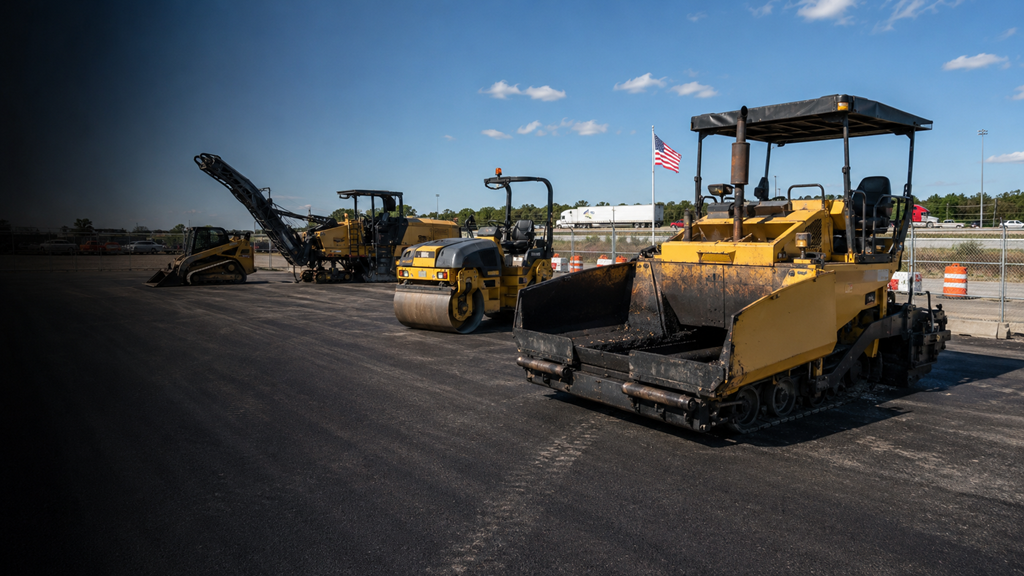 Used Asphalt & Paving Equipment in the USA: 2026 Prices & Buyer's GuideRead more
A practical buyer's guide to used asphalt and paving equipment sourced from the USA — what is available, current...
-
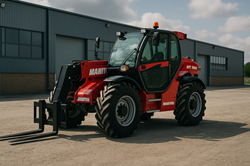 Manitou MT 1840 Telehandler 2026: Current Prices, Specs, and Buyer’s GuideRead more
The Manitou MT 1840 has established itself as one of the most versatile and trusted telehandlers in the global...
-
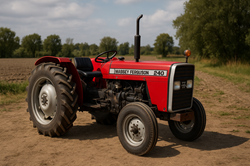 The Complete Guide to Massey Ferguson 240: Price, Specifications, and Global LegacyRead more
Massey Ferguson 240 sits in that sweet spot between light chores and real farm work. It’s part of the MF 200 series,...
-
 Ford Transit Box Truck for Sale: 2026 Buyer’s Guide for Small Business FleetsRead more
The Ford Transit box truck has long been a cornerstone of small business logistics, and in 2026 its position remains...
-
 The Ultimate Guide to Buying Trucks & Excavators: Prices, Deals, and Insights for Contractors in the USA, UK, Canada, and AustraliaRead more
For contractors, fleet managers, farmers, and construction companies, investing in the right trucks and excavators...
Blog categories
- Automotive Parts (21) click
- Heavy Machinery & Equipment Parts (6)
- OEM vs. Aftermarket Parts (1)
- Maintenance & Repair Tips (0)
- Parts Compatibility & Cross-Referencing (0)
- Sustainability & Recycling (1)
- Industry News & Trends (2)
- Buyer & Seller Guides (60)
- Performance Upgrades & Modifications (0)
- Product Reviews & Comparisons (1)
Search in blog

Buying and Importing a Turkish Caravan to the USA (2026 Guide for Travelers & Resellers)
In recent years, American RV enthusiasts and niche vehicle resellers have begun turning their gaze toward Turkey as a compelling source of unique, high-quality, and cost-effective caravans. This growing interest is driven by a convergence of factors: Turkish manufacturers’ growing reputation for craftsmanship, modern design influences from both Europe and the Middle East, and the strong dollar-to-lira exchange rate, which continues to create a significant price advantage for U.S. buyers. For those seeking caravans that stand out from the domestic RV market either for personal use or resale Turkey offers a fertile opportunity. But while the appeal is real, so are the complexities, especially when navigating U.S. regulations, technical standards, and import logistics.
From a regulatory standpoint, importing a Turkish caravan into the United States involves navigating both the Department of Transportation (DOT) and the Environmental Protection Agency (EPA) requirements. Many Turkish caravans are manufactured with European market standards in mind, which do not automatically align with U.S. road safety and emissions regulations. For a caravan to be road-legal stateside, it must meet Federal Motor Vehicle Safety Standards (FMVSS). That includes compliant lighting systems, brake components, and tire specifications. Additionally, U.S. regulations may mandate conversion from European 220V electrical systems to the American 110V standard, which involves significant rewiring and certified parts. Failing to meet these standards can result in seizure or denial of registration by state DMV offices. Therefore, working with a compliance specialist or licensed vehicle importer is strongly advised.
Exporting a caravan from Turkey involves a separate but equally important set of logistics. The process typically begins with selecting a certified seller or manufacturer who is familiar with export procedures. This includes obtaining an international invoice, certificate of origin, Turkish customs clearance, and shipping documentation particularly the bill of lading. Caravans are commonly shipped via roll-on/roll-off (RoRo) vessels or in flat-rack containers, depending on their size and configuration. On arrival in the U.S., the caravan must pass through customs where duties, taxes, and paperwork are reviewed. At this stage, U.S. Customs and Border Protection (CBP) will also check for EPA and DOT compliance labels. If these are not in place, the vehicle may be held or denied entry, making pre-import compliance planning critical.
In terms of craftsmanship, Turkish caravans have come a long way in the last decade. Domestic brands such as Başoğlu Karavan, Camptown, and Ünlü Karavan have invested heavily in production quality, leveraging CNC manufacturing, lightweight composite materials, and off-road capable designs that appeal to the American overland crowd. Compared to European caravans, Turkish models often combine similar quality with a more attractive price tag, thanks in part to favorable labor costs and domestic sourcing. When imported correctly, they can rival or even undercut prices of used Airstreams or Winnebagos while offering unique styling and functionality.
The cost of buying and importing a caravan from Turkey includes several components. First is the purchase price, which ranges from $12,000 to $35,000 depending on size, amenities, and brand. Next is international shipping, typically $3,000–$6,000 depending on the port of departure and arrival. U.S. import duties on caravans hover around 2.5%, and you may also incur port handling fees and broker charges. Stateside, vehicle inspection, compliance conversion, and registration fees can add another $2,000 to $6,000 depending on the modifications required. Altogether, a fully imported and registered Turkish caravan could cost anywhere from $20,000 to $50,000, significantly less than some high-end U.S. alternatives.
Mitigating risks in the buying process is essential. Prospective importers should conduct due diligence by verifying the reputation of Turkish sellers through trade platforms, industry referrals, and previous buyer testimonials. Whenever possible, a pre-purchase inspection should be arranged either by traveling to Turkey or hiring a local agent with RV knowledge. Checking VIN numbers, production certificates, and export readiness (including CE conformity if available) is crucial. Avoid private sales without export documentation, and always ensure the seller provides all paperwork in both Turkish and English for customs clearance.
Importing a caravan for personal use differs significantly from commercial importation for resale. Personal imports are often viewed more leniently in terms of quantity and may avoid certain business licensing requirements. However, resale operations must comply with commercial import laws, including IRS reporting, state dealership licensing, and resale tax collection. In both cases, meticulous record-keeping and transparent documentation are non-negotiable.
FAQs:
Is a Turkish caravan road-legal in the U.S.?
Not by default. Turkish caravans must be modified or verified to meet DOT and EPA standards before they can be legally registered for road use in the United States. This includes ensuring the vehicle has compliant lights, brake systems, tires, and electrical setups.
What shipping method is best from Turkey to the U.S.?
Roll-on/roll-off (RoRo) shipping is often the most straightforward and cost-effective method for caravans, especially when the vehicle is towable. For custom or compact models, flat-rack container shipping offers better protection during transit, albeit at a higher cost.
What kind of conversions are typically required for U.S. roads?
The most common conversions include changing the electrical system from 220V to 110V, modifying lighting and signaling systems to meet FMVSS, and possibly updating the braking system if it doesn't align with U.S. standards. These must be performed by certified technicians.
How long does import processing take?
Assuming all documents are in order, the physical shipment takes 3 to 6 weeks. Customs clearance and compliance verification can add another 2 to 4 weeks. In total, expect around 6 to 10 weeks from shipment to full registration, depending on complexity.
Do Turkish caravans meet American climate needs?
Many Turkish caravans are designed to withstand a broad range of climates, from cold Anatolian winters to Mediterranean heat. However, buyers may want to upgrade insulation or HVAC systems to better handle the extremes of North American regions like Arizona or Minnesota.
How much does it cost to import a caravan from Turkey?
The all-in cost including purchase, shipping, import duties, compliance conversion, and state registration typically ranges between $20,000 and $50,000. Variables include the model, port fees, and the extent of required modifications.
Can I finance or insure a Turkish-imported caravan in the U.S.?
Financing can be difficult for foreign-imported RVs unless they are re-titled and appraised locally. However, insurance is possible through specialty RV insurers who deal with imports. Providing thorough documentation, compliance proof, and a VIN verification helps secure coverage.
Will my state DMV register a Turkish caravan?
Registration is possible once the caravan passes a local safety inspection and all federal import documents (such as EPA and DOT releases) are provided. States like California and New York have stricter emissions rules, so check in advance.
What ports are most efficient for caravan imports from Turkey?
East Coast ports such as Baltimore and Savannah are well-equipped for RoRo operations and tend to handle European and Turkish cargo efficiently. West Coast options include Long Beach, though transit time from Turkey is longer.
Can I buy directly from a Turkish manufacturer?
Yes, many manufacturers like Başoğlu Karavan offer direct international sales. However, you’ll need to manage export documents, payment security, and third-party inspections if you're not on-site. Work with a Turkish freight agent to facilitate the transaction.
Is language a barrier when buying from Turkey?
While many manufacturers have English-speaking representatives, it's still wise to use a translator for contracts and correspondence. Miscommunication over specifications or compliance documents can result in costly delays.
Do I need a customs broker?
Hiring a licensed U.S. customs broker is highly recommended. They handle import paperwork, tariffs, and ensure your vehicle meets all entry requirements. This reduces the risk of customs rejections or prolonged port holds.
Are there import restrictions on certain caravan types?
Yes. Caravans with built-in engines (motorhomes) face stricter EPA scrutiny compared to towable trailers. Diesel engines, in particular, must meet U.S. emissions standards. Towable caravans are simpler but still subject to DOT rules.
What if my caravan fails inspection in the U.S.?
If a caravan fails compliance inspection, it may be subject to bonded storage until modifications are made. In worst-case scenarios, non-compliant units may be re-exported or destroyed. Pre-import planning avoids these costly outcomes.
Selling equipment like this?
List it on AGGZ and reach buyers reading guides like this and searching for used machinery.
Posted in:
Buyer & Seller Guides
Related posts
-
Used Road Rollers & Compactors in Poland: 2026 Prices & Buyer's Guide
A buyer's guide to used road rollers and compactors listed in Poland: what is available, current prices, what to...Read more
-
How to Import Used Construction Machinery from Abroad: 2026 Buyer's Guide
A practical guide to importing used heavy equipment from abroad — sources, shipping options, customs, inspection, and...Read more
-
Caterpillar for Sale: Prices, Specs & Used Market Guide 2026
A buyer's guide to used Caterpillar machines — the CAT 320-series excavators and road equipment, current price...Read more
-
Used Construction Machinery in the USA: 2026 Prices & Buyer's Guide
A buyer's guide to used road construction and paving machinery from the USA — current price ranges, an inspection...Read more
-
Used Road Rollers & Compactors from China: 2026 Prices & Buyer's Guide
A buyer's guide to recent, low-hour used road rollers and compactors sourced from China — what is available, current...Read more
Leave a comment