
A buyer's guide to used road rollers and compactors listed in Poland: what is available, current prices, what to...
Latest posts
-
 Used Road Rollers & Compactors in Poland: 2026 Prices & Buyer's GuideRead more
 -
 How to Import Used Construction Machinery from Abroad: 2026 Buyer's GuideRead more
A practical guide to importing used heavy equipment from abroad — sources, shipping options, customs, inspection, and...
-
 Caterpillar for Sale: Prices, Specs & Used Market Guide 2026Read more
A buyer's guide to used Caterpillar machines — the CAT 320-series excavators and road equipment, current price...
-
 Used Construction Machinery in the USA: 2026 Prices & Buyer's GuideRead more
A buyer's guide to used road construction and paving machinery from the USA — current price ranges, an inspection...
-
 Used Road Rollers & Compactors from China: 2026 Prices & Buyer's GuideRead more
A buyer's guide to recent, low-hour used road rollers and compactors sourced from China — what is available, current...
-
 Used Asphalt & Paving Equipment in the USA: 2026 Prices & Buyer's GuideRead more
A practical buyer's guide to used asphalt and paving equipment sourced from the USA — what is available, current...
-
 Manitou MT 1840 Telehandler 2026: Current Prices, Specs, and Buyer’s GuideRead more
The Manitou MT 1840 has established itself as one of the most versatile and trusted telehandlers in the global...
-
 The Complete Guide to Massey Ferguson 240: Price, Specifications, and Global LegacyRead more
Massey Ferguson 240 sits in that sweet spot between light chores and real farm work. It’s part of the MF 200 series,...
-
 Ford Transit Box Truck for Sale: 2026 Buyer’s Guide for Small Business FleetsRead more
The Ford Transit box truck has long been a cornerstone of small business logistics, and in 2026 its position remains...
-
 The Ultimate Guide to Buying Trucks & Excavators: Prices, Deals, and Insights for Contractors in the USA, UK, Canada, and AustraliaRead more
For contractors, fleet managers, farmers, and construction companies, investing in the right trucks and excavators...
Blog categories
- Automotive Parts (21) click
- Heavy Machinery & Equipment Parts (6)
- OEM vs. Aftermarket Parts (1)
- Maintenance & Repair Tips (0)
- Parts Compatibility & Cross-Referencing (0)
- Sustainability & Recycling (1)
- Industry News & Trends (2)
- Buyer & Seller Guides (60)
- Performance Upgrades & Modifications (0)
- Product Reviews & Comparisons (1)
Search in blog

Understanding Vehicle Taxes and Ownership Costs in 2026: A Global Buyer’s Guide
In 2026, understanding the full cost of owning a vehicle goes far beyond the sticker price. Whether you’re a fleet procurement manager, an expat planning a car purchase in a new country, or a cost-conscious consumer, the financial landscape of vehicle ownership now includes an intricate matrix of taxes, insurance structures, fuel levies, emissions compliance fees, and maintenance planning. With governments worldwide shifting their regulatory frameworks toward sustainability and carbon reduction, navigating vehicle-related costs has become a more nuanced affair especially for those buying or registering cars across different jurisdictions.
From the outset, annual registration fees and road taxes represent recurring obligations that vary not just by country, but within regions, states, and even cities. In the U.S., each state independently defines its registration fee structures. States like California impose variable charges based on vehicle value, weight, and emissions output. Meanwhile, states like Oregon have introduced tiered road usage charges as alternatives to traditional registration, especially for electric vehicles that bypass fuel taxes. In the UK, Vehicle Excise Duty (VED) is calculated based on CO₂ emissions and fuel type, with zero-emission vehicles still enjoying exemptions or heavily reduced rates as part of the country's net-zero transition policy. Across the EU, vehicle taxation is being realigned with carbon policy objectives, meaning annual ownership levies now increasingly depend on emissions benchmarks, hybridization level, and age of the vehicle.
Insurance premiums add a second major cost tier, and the gap in pricing structures between countries continues to widen. In North America, insurance is primarily risk- and location-based, factoring in driver history, urban vs. rural geography, and vehicle type. In 2026, many insurers have adopted telematics usage-based policies that track driving behavior through mobile apps or embedded sensors. In the UK and parts of the EU, insurance providers use a combination of vehicle value, emissions class, and postcode-based crime statistics. For company-owned vehicles, fleet policies in many regions offer economies of scale, though premiums remain sensitive to crash frequency and claims history. In the GCC, meanwhile, mandatory third-party insurance is low-cost compared to Western nations, but comprehensive plans still rise significantly for imported or luxury models.
One of the biggest cost variables often overlooked by first-time or cross-border buyers is emissions-based taxation. In 2026, jurisdictions are expanding emissions fees beyond registration and integrating them into tolling systems, congestion charges, and city access zones. Germany’s Umweltplakette restricts city access based on emissions category, and cities like Paris and Madrid enforce low-emission zones with real-time camera enforcement. The U.S. has not adopted national-level emissions taxes, but localized programs like California’s Air Resources Board requirements or New York’s congestion pricing are effectively monetizing environmental impact. For electric vehicles, this represents both a fiscal advantage and a policy carrot. Most U.S. states and many European countries still offer EV tax rebates, registration waivers, or VAT discounts in 2026.
Depreciation remains the largest long-term cost and varies significantly based on geography, fuel type, and brand. In the U.S. and UK, gasoline vehicles have begun depreciating faster due to future regulatory uncertainty and rising EV market share. For buyers, depreciation isn’t just an accounting figure it affects insurance claims, resale value, and loan terms. Fleet managers particularly must now calculate TCO (Total Cost of Ownership) using residual value forecasts that consider EV battery performance degradation, brand service reputation, and regional demand. In the EU, buyers of plug-in hybrids and electric vehicles are enjoying stronger residuals, especially for models with proven battery longevity and brand support infrastructure.
Then there’s the matter of hidden costs. Periodic vehicle inspections required every 1 to 2 years in most countries can become costly if the car fails emissions or safety checks. In Japan, the Shaken system often makes older cars uneconomical to maintain, driving high export rates. In the UK and Germany, MOT and TÜV tests respectively enforce strict standards that can require immediate repairs. Fuel costs, while obvious, are deeply tied to tax regimes. European fuel prices remain among the highest globally due to excise taxes, while North America maintains relatively lower pump costs, albeit subject to localized carbon levies in provinces like British Columbia. Fleet managers increasingly track fuel usage per kilometer to identify savings, and many firms are investing in software to optimize routing and idle time.
Buyers can reduce long-term ownership expenses through several strategies. Choosing electric or hybrid vehicles often comes with a bouquet of incentives from reduced taxes to special parking permits or congestion charge exemptions. In Norway and parts of the Netherlands, EVs enjoy toll-free highway access and VAT-free purchase prices. U.S. federal and state-level incentives in 2026 remain in place for EVs below a certain price threshold and battery origin criteria. On the insurance side, safe driver discounts, bundling home and auto coverage, and installing anti-theft tech can substantially reduce premiums. For multinational fleet buyers, centralizing maintenance contracts and parts procurement is another efficiency measure.
Overall, the 2026 landscape for vehicle ownership is defined by complexity and opportunity. Costs are no longer one-dimensional. Whether you’re managing 100 trucks or buying your first EV in a foreign country, understanding the tax, regulatory, and service framework is essential to making an informed investment. The right vehicle isn’t just about horsepower it’s about long-term financial sustainability and regulatory alignment.
Practical FAQs:
What is the difference between registration fees and road tax?
Registration fees are administrative charges paid to register the vehicle legally with a government body. These are often flat fees or based on value. Road tax, however, is usually recurring and reflects the vehicle’s usage, emissions, or weight designed to fund infrastructure maintenance.
How are vehicle taxes calculated in the U.S. vs. Europe?
In the U.S., vehicle taxes are primarily state-based and often tied to value and location. In Europe, taxes are generally emissions-based, with higher CO₂ emitters paying more in both annual taxes and purchase fees. EU member states also factor engine size and fuel type into calculations.
Are electric vehicles taxed less?
Yes, in most regions, EVs benefit from reduced or zero taxes. For instance, the UK still exempts zero-emission vehicles from VED. The U.S. offers rebates, and several states waive registration fees. However, some jurisdictions are introducing road usage charges for EVs to offset lost fuel tax revenue.
What paperwork do I need when buying a used car?
You typically need a signed bill of sale, title certificate, proof of insurance, emissions and safety inspection documents, and proof of identity. In the EU, an export certificate and maintenance history are often required for cross-border sales.
Can I deduct vehicle expenses on my taxes?
In many countries, business use of a vehicle is deductible. In the U.S., self-employed individuals can deduct mileage or actual expenses. In the UK, limited companies can claim capital allowances. Always consult a tax advisor to align claims with local regulations.
What is VED and how is it changing?
Vehicle Excise Duty (VED) is the UK’s road tax, traditionally based on engine size and emissions. In 2026, reforms continue aligning VED more strictly with CO₂ output and fuel type, with EV exemptions under review but largely preserved.
Do hybrid cars qualify for lower taxes?
Generally yes, but only plug-in hybrids (PHEVs) are often eligible for the most generous rebates. Regular hybrids may get modest reductions, depending on jurisdiction and CO₂ output.
What’s the average vehicle registration fee in the U.S. for 2026?
It varies by state. For example, California may charge $60–$200 annually depending on weight and value, while Montana has flat fees of around $28 to $217. Additional county-level fees may apply.
Are there ownership cost calculators I can use?
Yes, websites like Edmunds and Kelley Blue Book in the U.S., or the AA in the UK, offer total cost of ownership (TCO) tools. Some leasing companies also provide business-focused calculators.
Is there a road tax for motorcycles or scooters?
Yes. In many countries, motorcycles pay reduced road tax rates. In the UK, VED starts at £22 for low-emission models. In most U.S. states, registration and plate renewal are still required.
What if I move with my car to another country?
You’ll need to re-register your car in the new country, meet emissions and safety standards, and pay any import duties. The process depends on bilateral agreements and whether you’re moving within the EU or internationally.
Do taxes differ for commercial vs. personal vehicles?
Yes. Commercial vehicles often incur higher registration fees and insurance but may qualify for additional tax deductions, leasing options, or subsidies in fleet programs.
Can I transfer my existing insurance policy when relocating internationally?
Generally no. You’ll need to purchase a new insurance policy in the destination country, as rates and risk calculations differ. Some international insurers offer transitional coverage for a limited time.
Are there penalties for late registration or tax payments?
Yes. Late fees, fines, and interest charges apply in nearly all jurisdictions. In the U.S., failure to register can result in citations. In the EU, it may lead to impounding or loss of temporary registration plates.
Related equipment for sale on AGGZ
| Machine | Year | Location | Price | |
|---|---|---|---|---|
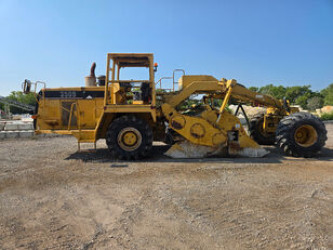 Caterpillar RM350B Road Recycler 2002
|
2002 | USA | $80,000.00 | View |
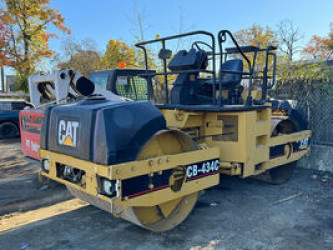 Caterpillar CB-434C Tandem Roller 2006
|
2006 | USA | $24,500.00 | View |
 Hamm HD-13i VV Mini Roller 2016
|
2016 | USA | $39,000.00 | View |
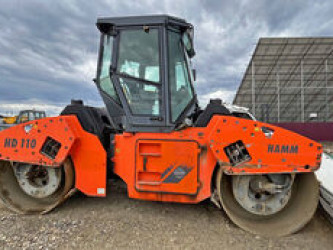 Hamm HD110 Tandem Roller 2015
|
2015 | Ukraine | $60,780.00 | View |
 Hamm DV-70 VO Tandem Roller 2008
|
2008 | Poland | $31,880.00 | View |
 Hamm HD-10 VO Mini Roller 2014
|
2014 | Poland | $13,980.00 | View |
Frequently asked questions
How much does used Road Construction Equipment cost on AGGZ?
Prices depend on the year, operating hours and condition of each machine. Compare the current listings above to see real prices from sellers, then contact the seller directly.
What should I check when buying used Road Construction Equipment?
Check the year of manufacture, operating hours or mileage, service and maintenance history, and overall condition. Arrange an inspection or request detailed photos before any payment.
Can I buy and export used Road Construction Equipment from Turkey and abroad?
Yes. Many sellers on AGGZ ship internationally. Confirm shipping options, export documentation and payment terms directly with the seller before you buy.
Selling similar equipment?
List your machinery on AGGZ and reach buyers searching for Road Construction Equipment, trucks, spare parts and industrial equipment.
Posted in:
Buyer & Seller Guides
Related posts
-
Used Road Rollers & Compactors in Poland: 2026 Prices & Buyer's Guide
A buyer's guide to used road rollers and compactors listed in Poland: what is available, current prices, what to...Read more
-
How to Import Used Construction Machinery from Abroad: 2026 Buyer's Guide
A practical guide to importing used heavy equipment from abroad — sources, shipping options, customs, inspection, and...Read more
-
Caterpillar for Sale: Prices, Specs & Used Market Guide 2026
A buyer's guide to used Caterpillar machines — the CAT 320-series excavators and road equipment, current price...Read more
-
Used Construction Machinery in the USA: 2026 Prices & Buyer's Guide
A buyer's guide to used road construction and paving machinery from the USA — current price ranges, an inspection...Read more
-
Used Road Rollers & Compactors from China: 2026 Prices & Buyer's Guide
A buyer's guide to recent, low-hour used road rollers and compactors sourced from China — what is available, current...Read more
Leave a comment