
A buyer's guide to used road rollers and compactors listed in Poland: what is available, current prices, what to...
Latest posts
-
 Used Road Rollers & Compactors in Poland: 2026 Prices & Buyer's GuideRead more
 -
 How to Import Used Construction Machinery from Abroad: 2026 Buyer's GuideRead more
A practical guide to importing used heavy equipment from abroad — sources, shipping options, customs, inspection, and...
-
 Caterpillar for Sale: Prices, Specs & Used Market Guide 2026Read more
A buyer's guide to used Caterpillar machines — the CAT 320-series excavators and road equipment, current price...
-
 Used Construction Machinery in the USA: 2026 Prices & Buyer's GuideRead more
A buyer's guide to used road construction and paving machinery from the USA — current price ranges, an inspection...
-
 Used Road Rollers & Compactors from China: 2026 Prices & Buyer's GuideRead more
A buyer's guide to recent, low-hour used road rollers and compactors sourced from China — what is available, current...
-
 Used Asphalt & Paving Equipment in the USA: 2026 Prices & Buyer's GuideRead more
A practical buyer's guide to used asphalt and paving equipment sourced from the USA — what is available, current...
-
 Manitou MT 1840 Telehandler 2026: Current Prices, Specs, and Buyer’s GuideRead more
The Manitou MT 1840 has established itself as one of the most versatile and trusted telehandlers in the global...
-
 The Complete Guide to Massey Ferguson 240: Price, Specifications, and Global LegacyRead more
Massey Ferguson 240 sits in that sweet spot between light chores and real farm work. It’s part of the MF 200 series,...
-
 Ford Transit Box Truck for Sale: 2026 Buyer’s Guide for Small Business FleetsRead more
The Ford Transit box truck has long been a cornerstone of small business logistics, and in 2026 its position remains...
-
 The Ultimate Guide to Buying Trucks & Excavators: Prices, Deals, and Insights for Contractors in the USA, UK, Canada, and AustraliaRead more
For contractors, fleet managers, farmers, and construction companies, investing in the right trucks and excavators...
Blog categories
- Automotive Parts (21) click
- Heavy Machinery & Equipment Parts (6)
- OEM vs. Aftermarket Parts (1)
- Maintenance & Repair Tips (0)
- Parts Compatibility & Cross-Referencing (0)
- Sustainability & Recycling (1)
- Industry News & Trends (2)
- Buyer & Seller Guides (60)
- Performance Upgrades & Modifications (0)
- Product Reviews & Comparisons (1)
Search in blog
Manitou MT 1840 Telehandler 2026: Current Prices, Specs, and Buyer’s Guide
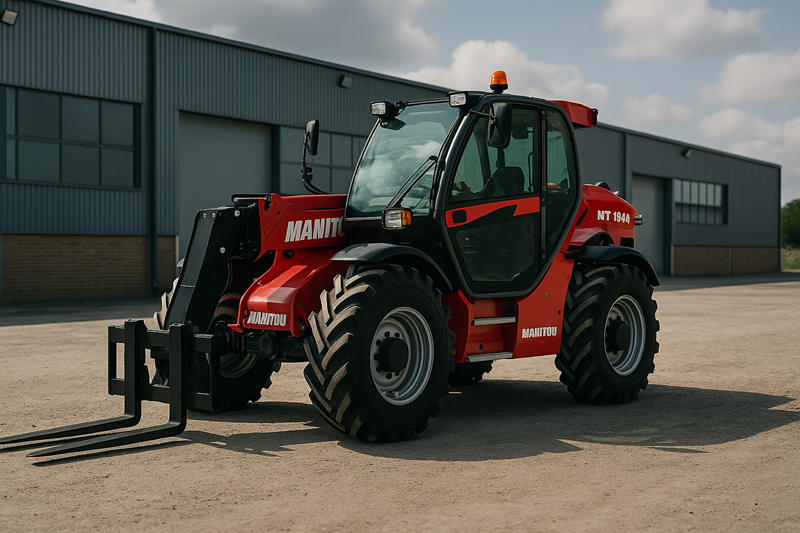
The Manitou MT 1840 has established itself as one of the most versatile and trusted telehandlers in the global construction and agricultural industries. By 2026, its role as a multi-purpose machine has only strengthened, thanks to its ability to replace cranes, forklifts, and loaders in a single package. Telehandlers have become indispensable in modern logistics, agriculture, and building projects because they bridge the gap between lifting power and maneuverability. With an 18-meter lifting height and a 4,000-kilogram maximum capacity, the MT 1840 provides the kind of reach and stability that medium to large-scale operations require.
For contractors in North America, farmers in the UK, or logistics managers in Australia, choosing the right telehandler is more than a matter of convenience. It directly impacts productivity, labor efficiency, and operating costs. The MT 1840 represents Manitou’s approach to balancing rugged performance with operator comfort, advanced hydraulics, and digital integration. With demand for safe, reliable, and fuel-efficient machines growing steadily, the 2026 edition of the MT 1840 stands as a benchmark in its class.
Manitou MT 1840 Price 2026: Regional Market Insights
Pricing in 2026 reflects both global inflationary pressures and Manitou’s steady position as a premium European manufacturer. In the United States, a new MT 1840 typically costs between $125,000 and $145,000, depending on specifications and attachments, while well-maintained used models from recent years fall between $75,000 and $95,000. In the United Kingdom, buyers can expect prices of £95,000 to £115,000 for new machines, with used options still commanding strong resale values because of demand in agriculture and construction. Canadian buyers generally see prices ranging from CAD $165,000 to $185,000 for new units.
Across markets, financing options are common, often spreading costs over three to five years through dealer-backed plans. Because Manitou has a global dealer network, resale value tends to remain strong, especially in North America and Western Europe where telehandlers are a staple of modern fleet operations. Buyers should also consider regional variations in tax incentives, particularly where telehandlers are used in agricultural settings, since subsidies in Canada and the UK may indirectly affect affordability.
Key Specifications and Features of the MT 1840
The 2026 Manitou MT 1840 continues to deliver an impressive 18-meter maximum lift height, which makes it suitable for multi-story construction projects, farm stacking operations, and warehouse logistics. With a 4,000-kilogram lift capacity, the machine is capable of handling heavy pallets of bricks, steel beams, or agricultural bales with stability. Power is supplied by a robust Deutz diesel engine that delivers the torque necessary for demanding conditions while meeting current emissions standards.
The hydrostatic transmission ensures smooth operation, allowing operators to position loads precisely, an essential factor when working at maximum reach. Stabilizers provide additional balance and safety when lifting at height, making the MT 1840 a preferred option for contractors who prioritize reliability. Inside the cab, ergonomics play a major role. The operator station is designed for long shifts, with adjustable seating, climate control, and intuitive visibility. Joystick controls provide responsive command over the boom and hydraulics, while load sensing hydraulic systems optimize performance by adjusting pressure based on demand, improving fuel efficiency.
In addition, the 2026 model integrates telematics systems that allow fleet managers to track performance, maintenance needs, and utilization rates remotely. This is particularly valuable for companies operating multiple machines across different sites, as it supports preventive maintenance and helps reduce downtime.
Telehandler Performance on Construction and Farm Sites
In real-world scenarios, the MT 1840 has proven itself as a machine that adapts seamlessly to varied applications. On construction sites, it is commonly used for lifting steel beams, placing roofing materials, or moving pallets of bricks to upper floors. Its ability to navigate tight urban environments while offering crane-like reach gives it a competitive edge in metropolitan projects.
In agriculture, the telehandler serves a very different but equally demanding role. Farmers use it for stacking bales, moving feed, and handling heavy loads around barns and fields. The stability and lifting capacity of the MT 1840 make it particularly useful in cooperative farm environments where multiple users rely on a single machine to perform diverse tasks.
Warehouse and logistics applications further highlight its versatility. With attachments such as forks, buckets, or lifting hooks, the MT 1840 transitions between unloading trucks, stacking pallets, and handling irregular loads. Across all these environments, performance is marked by reliability, consistent hydraulic power, and operator-friendly controls.
How Manitou Compares to JCB and Merlo
The telehandler market is competitive, with JCB and Merlo among the strongest rivals. The JCB 540-180, for instance, offers a similar reach and lifting capacity. In practice, U.S. contractors often compare the MT 1840 directly against the JCB for steel erection jobs, where precise placement and lifting strength are critical. Manitou’s advantage lies in its cab comfort and hydraulic responsiveness, while JCB maintains a slight edge in dealer coverage in certain regions of North America.
Merlo telehandlers, on the other hand, are known for their innovative designs and fuel efficiency. They compete closely in Europe, where farmers and contractors weigh the benefits of Merlo’s lighter frame against Manitou’s proven stability. Caterpillar, while strong in construction machinery, has a smaller telehandler presence compared to these European specialists, making Manitou and JCB the dominant choices for most buyers.
Buying New vs. Used: Which Option Fits Your Fleet?
For buyers evaluating new versus used, the decision depends on fleet size, workload, and financial strategy. A new MT 1840 offers the advantage of warranty coverage, the latest hydraulic and telematics features, and guaranteed compliance with emissions standards. For large construction contractors or corporate farms, these benefits justify the upfront investment, especially when reliability and uptime are critical.
Used machines, however, remain a practical choice for smaller businesses. A used MT 1840 from the past five years often retains strong lifting performance, provided maintenance records are complete. Buyers should carefully check wear on the boom, hydraulic systems, and tires, as these areas tend to show the first signs of heavy use. Dealer-inspected used units are often preferable, since they come with limited service guarantees and financing packages that extend their value.
Ultimately, both new and used Manitou telehandlers maintain good resale potential. Because Manitou enjoys solid recognition in Europe, North America, and Australia, the MT 1840 is less prone to sharp depreciation compared to niche or regional brands.
Frequently Asked Questions
What is the price of a Manitou MT 1840 in the U.S. in 2026?
A new MT 1840 costs between $125,000 and $145,000, while used models are typically available for $75,000 to $95,000 depending on age and condition.
How much weight can the MT 1840 lift?
The machine has a maximum lifting capacity of 4,000 kilograms, making it suitable for heavy pallets, steel beams, and large agricultural bales.
Is it fuel efficient compared to JCB?
The Deutz engine combined with load sensing hydraulics provides competitive fuel efficiency. While JCB machines are also efficient, many operators find Manitou’s balance of power and economy comparable.
What is the maximum lift height of the MT 1840?
The telehandler can reach up to 18 meters, allowing it to handle multi-story construction projects or large agricultural storage facilities.
What engine powers the MT 1840?
It is equipped with a Deutz diesel engine designed to deliver strong torque while meeting modern emissions requirements.
How does the MT 1840 compare to the JCB 540-180?
Both models offer similar lift height and capacity, but the MT 1840 is often praised for its cab comfort and hydraulic smoothness, while JCB maintains a larger dealer footprint in some regions.
What is the resale value of a Manitou MT 1840?
The MT 1840 holds resale value well in the U.S., UK, and Canada due to high demand, typically retaining strong market prices for 8–10 years.
Is the MT 1840 suitable for agriculture?
Yes, it is widely used for handling bales, feed, and farm equipment, making it a popular choice for cooperatives and large farms.
What technological features are included in 2026 models?
The latest versions feature joystick control, load sensing hydraulics, telematics integration, and improved cab comfort.
Should I buy new or used?
New models offer warranties and advanced features, while used options are more affordable and can deliver strong value if well maintained.
Related equipment for sale on AGGZ
| Machine | Year | Price | |
|---|---|---|---|
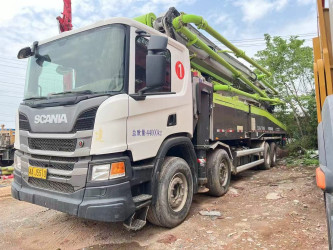 2020 ZOOMLION 56m SCANIA Pump Truck - Turkish Construction Game-Changer!
|
— | $77,600.00 | View |
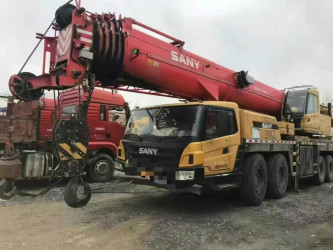 2019 SANY 80-Ton Crane - Heavy-Duty Powerhouse for Turkish Projects
|
— | $92,600.00 | View |
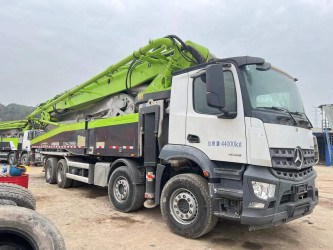 56 metre Zoomlion brand produced in 2021
|
— | $91,400.00 | View |
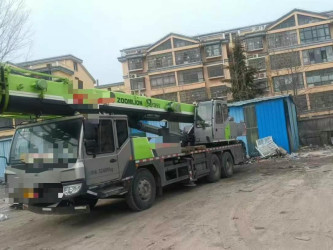 2018 ZOOMLION 25-Ton Crane - Your Next Smart Investment!
|
— | $35,900.00 | View |
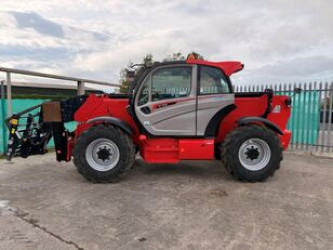 Manitou MT1840e telehandler 2024
|
2024 | — | View |
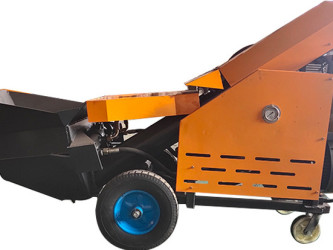 Portable Electric Concrete Pump- Your Ultimate Construction Partner
|
— | $5,000.00 | View |
Frequently asked questions
How much does used Concrete Machinery cost on AGGZ?
Prices depend on the year, operating hours and condition of each machine. Compare the current listings above to see real prices from sellers, then contact the seller directly.
What should I check when buying used Concrete Machinery?
Check the year of manufacture, operating hours or mileage, service and maintenance history, and overall condition. Arrange an inspection or request detailed photos before any payment.
Can I buy and export used Concrete Machinery from Turkey and abroad?
Yes. Many sellers on AGGZ ship internationally. Confirm shipping options, export documentation and payment terms directly with the seller before you buy.
Selling similar equipment?
List your machinery on AGGZ and reach buyers searching for Concrete Machinery, trucks, spare parts and industrial equipment.
Posted in:
Buyer & Seller Guides
Related posts
-
Used Road Rollers & Compactors in Poland: 2026 Prices & Buyer's Guide
A buyer's guide to used road rollers and compactors listed in Poland: what is available, current prices, what to...Read more
-
How to Import Used Construction Machinery from Abroad: 2026 Buyer's Guide
A practical guide to importing used heavy equipment from abroad — sources, shipping options, customs, inspection, and...Read more
-
Caterpillar for Sale: Prices, Specs & Used Market Guide 2026
A buyer's guide to used Caterpillar machines — the CAT 320-series excavators and road equipment, current price...Read more
-
Used Construction Machinery in the USA: 2026 Prices & Buyer's Guide
A buyer's guide to used road construction and paving machinery from the USA — current price ranges, an inspection...Read more
-
Used Road Rollers & Compactors from China: 2026 Prices & Buyer's Guide
A buyer's guide to recent, low-hour used road rollers and compactors sourced from China — what is available, current...Read more
Leave a comment