
A buyer's guide to used road rollers and compactors listed in Poland: what is available, current prices, what to...
Latest posts
-
 Used Road Rollers & Compactors in Poland: 2026 Prices & Buyer's GuideRead more
-
 How to Import Used Construction Machinery from Abroad: 2026 Buyer's GuideRead more
A practical guide to importing used heavy equipment from abroad — sources, shipping options, customs, inspection, and...
-
 Caterpillar for Sale: Prices, Specs & Used Market Guide 2026Read more
A buyer's guide to used Caterpillar machines — the CAT 320-series excavators and road equipment, current price...
-
 Used Construction Machinery in the USA: 2026 Prices & Buyer's GuideRead more
A buyer's guide to used road construction and paving machinery from the USA — current price ranges, an inspection...
-
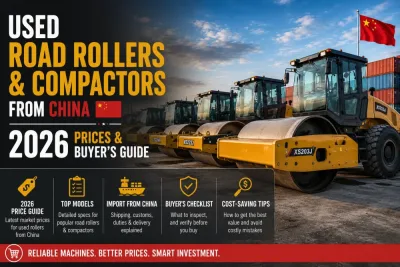 Used Road Rollers & Compactors from China: 2026 Prices & Buyer's GuideRead more
A buyer's guide to recent, low-hour used road rollers and compactors sourced from China — what is available, current...
-
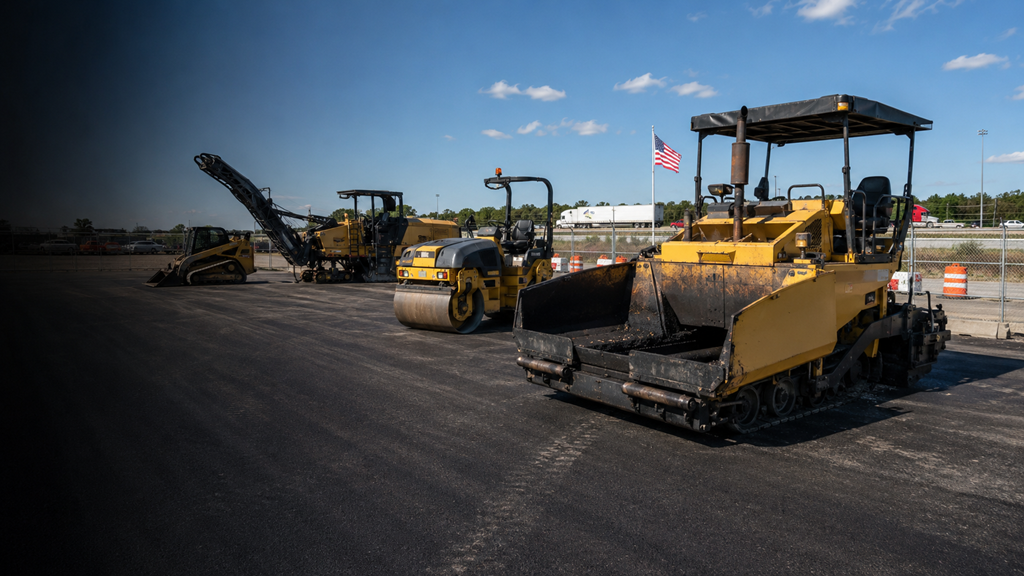 Used Asphalt & Paving Equipment in the USA: 2026 Prices & Buyer's GuideRead more
A practical buyer's guide to used asphalt and paving equipment sourced from the USA — what is available, current...
-
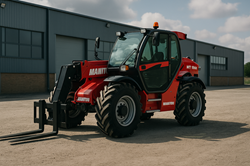 Manitou MT 1840 Specs and Price 2026: Official DataRead more
Official Manitou data for the MT 1840 ST5: 4,000 kg capacity, 17.55 m lifting height, 13.08 m outreach, 100 hp / 75...
-
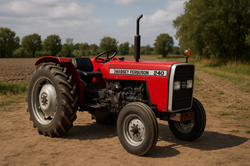 The Complete Guide to Massey Ferguson 240: Price, Specifications, and Global LegacyRead more
Massey Ferguson 240 sits in that sweet spot between light chores and real farm work. It’s part of the MF 200 series,...
-
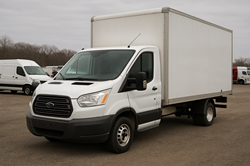 Ford Transit Box Truck for Sale: 2026 Buyer’s Guide for Small Business FleetsRead more
The Ford Transit box truck has long been a cornerstone of small business logistics, and in 2026 its position remains...
-
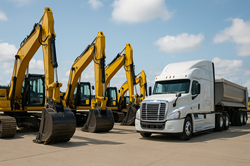 The Ultimate Guide to Buying Trucks & Excavators: Prices, Deals, and Insights for Contractors in the USA, UK, Canada, and AustraliaRead more
For contractors, fleet managers, farmers, and construction companies, investing in the right trucks and excavators...
Blog categories
- Automotive Parts (21) click
- Heavy Machinery & Equipment Parts (6)
- OEM vs. Aftermarket Parts (1)
- Maintenance & Repair Tips (0)
- Parts Compatibility & Cross-Referencing (0)
- Sustainability & Recycling (1)
- Industry News & Trends (2)
- Buyer & Seller Guides (60)
- Performance Upgrades & Modifications (0)
- Product Reviews & Comparisons (1)
Search in blog
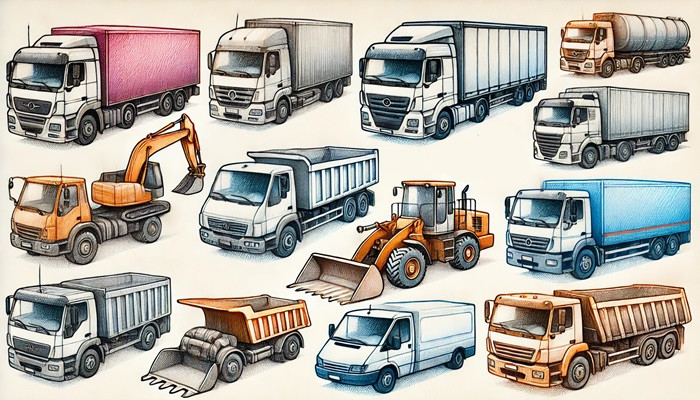
Glossary of Commercial Vehicles: Key Terms You Need to Know
Vehicle Types
- Commercial Vehicles: Motorized vehicles for transporting goods or passengers for business purposes, including trucks, vans, and buses.
- Heavy-Duty Trucks: Large vehicles designed for transporting heavy cargo over long distances, exceeding 33,000 pounds in weight.
- Light Commercial Vehicles (LCVs): Small cargo vans and trucks under 3.5 tons, ideal for urban logistics and last-mile deliveries.
- Medium-Duty Trucks: Vehicles between light and heavy-duty categories, used for regional goods transport or towing.
- Heavy-Duty Vehicles (HDVs): Includes heavy-duty trucks, buses, and specialized machinery for industrial and long-haul transport.
- Box Trucks: Enclosed cargo vehicles with a separate cab, suitable for moving furniture or goods.
- Delivery Vans: Compact vehicles optimized for e-commerce and small package delivery in urban areas.
- Refrigerated Trucks: Trucks with temperature control systems for transporting perishable goods like food and pharmaceuticals.
- Pickup Trucks: Versatile light-duty vehicles with open cargo areas, common in construction and agriculture.
- Flatbed Trucks: Open cargo areas for transporting oversized goods such as machinery and building materials.
- Tanker Trucks: Specialized trucks for liquids or gases like fuel, chemicals, or water.
- Dump Trucks: Hydraulic-equipped vehicles for unloading bulk materials like sand, gravel, or demolition waste.
- Tipper Trucks: Similar to dump trucks, used for hauling loose materials in construction and mining.
- Articulated Vehicles: Trucks with pivoting joints for better maneuverability, used for heavy freight.
- Long-Haul Trucks: Optimized for extended journeys with sleeper cabs and advanced fuel efficiency.
- Trailer Trucks: Designed to tow various trailer types for flexible cargo solutions.
- Mini Trucks: Compact, lightweight trucks for small-scale logistics or agricultural applications.
- Passenger Vans: Multi-seat vehicles for group transport, used in shuttle and transit services.
- Transit Buses: Fixed-route public transportation vehicles for cities and suburbs.
- Coaches: Large buses with amenities like reclining seats, designed for long-distance travel.
- School Buses: Built for safely transporting students.
- Shuttle Buses: Smaller buses for short-distance transport, common in airports and hotels.
- Semi-Trailers: Trailers without front axles, commonly used in freight transport.
- Tractor Units: Engine-powered parts of articulated vehicles that pull semi-trailers.
- Utility Vehicles: Multi-purpose vehicles for maintenance, repair, and logistics tasks.
- All-Terrain Vehicles (ATVs): Small, rugged vehicles for rough landscapes, used in construction or farming.
- Construction Vehicles: Heavy machinery like bulldozers and cranes for building projects.
- Mining Trucks: Massive vehicles for transporting ore in mining operations.
- Road Tankers: Bulk liquid or gas transport vehicles, such as for petroleum.
- Haulage Trucks: Trucks for heavy cargo over long distances, critical to freight logistics.
Specialized and Municipal Vehicles
- Garbage Trucks: For collecting and compacting municipal waste.
- Crane Trucks: Trucks equipped with cranes for lifting and construction tasks.
- Recovery Vehicles: Tow trucks for disabled or damaged vehicles.
- Concrete Mixers: Trucks with rotating drums for mixing and transporting concrete.
- Ambulances: Emergency vehicles with medical equipment for patient transport.
- Fire Trucks: Equipped with ladders, hoses, and tanks for firefighting and rescue.
- Specialized Vehicles: Custom vehicles for tasks like mobile workshops or food trucks.
- Livestock Trucks: Designed to transport animals safely and comfortably.
- Logging Trucks: For transporting large logs from forests to processing facilities.
- Parcel Delivery Vehicles: Vans optimized for efficient parcel delivery.
- Postal Trucks: Used by postal services for mail and package transport.
- Municipal Vehicles: Utility vehicles for tasks like snow plowing and street cleaning.
- Service Trucks: Equipped with tools for on-site repair and maintenance.
- Highway Maintenance Vehicles: Specialized for road repair, line painting, and snow removal.
Alternative Fuel and Energy Vehicles
- Electric Commercial Vehicles: Eco-friendly trucks and buses powered by electric motors.
- Hybrid Commercial Vehicles: Combine internal combustion and electric power for efficiency.
- Diesel Trucks: Known for torque and efficiency in heavy-duty applications.
- Gasoline Trucks: Typically used in light-duty applications for lower costs.
- Hydrogen Fuel Cell Trucks: Zero-emission trucks with extended ranges compared to electric ones.
Operations and Logistics
- Fleet Management: Overseeing vehicle fleets for logistics, maintenance, and cost optimization.
- Vehicle Leasing: Financial arrangements for businesses to use vehicles without purchase.
- Vehicle Rentals: Short-term hiring for peak seasons or emergencies.
- Truck Financing: Loans and leasing options to assist in vehicle acquisition.
- Fleet Insurance: Policies covering liability and damage for entire fleets.
- Telematics Systems: Technology for monitoring vehicle location and performance.
- GPS Tracking: Real-time route and activity monitoring systems.
- Fleet Optimization: Strategies to enhance efficiency, including route planning.
- Vehicle Maintenance: Routine checks to keep vehicles operational and safe.
- Preventive Maintenance: Scheduled care to prevent breakdowns.
- Truck Diagnostics: Tools to identify and resolve issues before they escalate.
Safety Systems and Compliance
- Vehicle Safety Systems: Technologies like airbags, collision avoidance, and lane-keeping assistance for driver and cargo safety.
- Anti-Lock Braking Systems (ABS): Prevents wheel locking during braking, improving control on slippery surfaces.
- Electronic Stability Control (ESC): Reduces skidding during sudden maneuvers to help maintain vehicle stability.
- Tire Management: Practices and tools for monitoring and maintaining tires to ensure fuel efficiency and safety.
- Load Optimization: Techniques to maximize cargo space utilization and maintain safe weight distribution.
- Overloading Prevention: Systems to avoid exceeding vehicle weight limits for safety and compliance.
- Driver Training: Programs to enhance driver skills, safety awareness, and fuel-efficient driving techniques.
- Commercial Licenses: Special permits required to operate commercial vehicles, such as Class A or B licenses in the U.S.
- Vehicle Compliance: Ensuring vehicles meet legal standards for emissions, weight, and equipment.
- Emission Standards: Regulations on pollutant levels emitted by commercial vehicles.
- Euro 6 Regulations: Stringent European standards to limit nitrogen oxides (NOx) and particulate matter (PM).
- Roadworthiness Tests: Inspections to confirm vehicles meet safety and operational standards.
Logistics and Supply Chain
- Commercial Auto Insurance: Policies tailored to commercial vehicles, covering liability and damages.
- Cargo Insurance: Protection against losses from theft or damage to goods during transit.
- Logistics Services: Comprehensive solutions for goods movement, including storage and transport.
- Supply Chain Solutions: Strategies for optimizing the flow of goods from suppliers to customers.
- Last-Mile Delivery: The final stage of delivery, bringing goods from hubs to their destinations.
- Warehousing: Facilities for storing goods before distribution or further transport.
- Freight Forwarding: Coordinating and arranging shipments across multiple transport modes.
- Intermodal Transportation: Using multiple transport modes, such as truck, rail, and ship, for efficient cargo movement.
- Overland Transport: Moving goods by road or rail networks, often across borders.
- Cross-Border Logistics: Managing the complexities of international goods movement, including customs clearance.
- Customs Clearance: Ensuring goods comply with regulations during import/export processes.
Vehicle Production and Engineering
- Vehicle Production: Manufacturing processes, including assembly, testing, and quality control.
- Automotive Engineering: Designing and developing vehicle systems, components, and technologies.
- Assembly Lines: Factory lines where vehicles are assembled in a sequential manner.
- Vehicle Body Fabrication: Designing and constructing the exteriors of commercial vehicles.
- Engine Manufacturing: Producing engines tailored to commercial vehicle needs, from diesel to electric motors.
- Chassis Design: Engineering vehicle base frames to support loads and optimize performance.
- Axles: Drivetrain components that bear weight and transmit power to the wheels.
- Transmission Systems: Mechanical systems transferring engine power to the wheels, including manual, automatic, and hybrid options.
- Gearboxes: Key parts of the transmission system enabling gear changes for performance optimization.
- Vehicle Aerodynamics: Reducing drag to enhance fuel efficiency, especially for long-haul trucks.
- Lightweight Materials: Advanced materials like aluminum and carbon fiber used to reduce vehicle weight and improve efficiency.
- Electric Drivetrains: Power systems for electric vehicles, including motors, batteries, and controllers.
Advanced Technologies and Future Trends
- Hydrogen Fuel Cells: Zero-emission technology converting hydrogen to electricity for vehicles.
- Diesel Engines: High-torque internal combustion engines used in heavy-duty applications.
- Hybrid Engines: Combining traditional fuel with electric power for efficiency and reduced emissions.
- Suspension Systems: Systems designed to absorb road shocks, maintaining stability and cargo safety.
- Brake Systems: Components like disc and drum brakes, and regenerative braking in electric vehicles.
- Smart Fleet Technology: Data-driven tools and software to enhance fleet efficiency and management.
- Digital Fleet Management: Software enabling real-time fleet tracking and optimization.
- Driver Behavior Monitoring: Tracking habits like speed and braking to improve safety and fuel efficiency.
- Truck Platooning: Technology allowing trucks to travel in close convoys, reducing fuel consumption.
- Autonomous Commercial Vehicles: Self-driving trucks and buses using AI and sensors for navigation.
- Self-Driving Trucks: Equipped with automation systems for semi-autonomous operation.
- Connected Vehicles: IoT-enabled vehicles for seamless communication with infrastructure and other vehicles.
- Vehicle-to-Vehicle Communication (V2V): Technology for vehicles to share data like speed and location for safety.
- Vehicle-to-Infrastructure Communication (V2I): Enabling vehicles to interact with infrastructure like traffic signals.
- Smart Logistics: Advanced technologies to streamline supply chains and improve delivery times.
- Smart Cities: Urban areas leveraging technology for improved mobility and reduced environmental impact.
- Urban Mobility: Solutions to optimize transportation in densely populated cities.
- Zero-Emission Vehicles: Vehicles producing no exhaust emissions, like electric and hydrogen trucks.
- Carbon Neutral Transport: Reducing or offsetting carbon emissions in logistics.
- Sustainable Logistics: Green technologies and practices to reduce freight transport's environmental impact.
- Renewable Energy Vehicles: Vehicles powered by renewable energy sources like solar or wind.
Sustainability and Energy Efficiency
- Battery Electric Trucks: Trucks powered entirely by batteries, ideal for short-haul and urban logistics with zero emissions.
- Charging Infrastructure: Networks of charging stations to support electric vehicle fleets.
- Fuel Efficiency: Measures and technologies to maximize mileage per unit of fuel, reducing operating costs and emissions.
- Route Optimization: Planning the most efficient delivery routes to save time, fuel, and costs.
- Road Freight: Goods transported by road using trucks and commercial vehicles.
- Truck Stops: Dedicated rest and refueling points for long-haul truck drivers, often with amenities.
- Vehicle Tracking: GPS systems for monitoring vehicle locations and routes in real time.
Cold Chain and Specialized Transport
- Cold Chain Logistics: Temperature-controlled logistics for perishable goods like food and medicine.
- Hazardous Material Transport: Safe and compliant movement of dangerous goods such as chemicals or explosives.
- Chemical Tankers: Trucks specialized for transporting bulk liquid chemicals under strict safety standards.
- Liquid Transport: Bulk movement of liquids like fuel, milk, or water using tanker trucks.
- Dry Bulk Trucks: Trucks for transporting dry goods like grains, sand, or cement.
- Intermodal Freight: Combining transport modes (e.g., truck, rail, ship) for efficient goods movement.
- Heavy Haulage: Transporting oversized or overweight cargo using specialized trucks.
Trailers and Cargo Handling
- Flatbed Trailers: Open trailers for large, irregularly shaped cargo like machinery.
- Lowboy Trailers: Trailers with low deck heights for transporting tall or heavy equipment.
- Curtain-Sider Trailers: Trailers with retractable sides for easy loading and unloading.
- Step Deck Trailers: Two-level trailers for taller cargo without exceeding height limits.
- Reefer Trailers: Refrigerated trailers for temperature-sensitive goods.
- Cargo Loading: Arranging goods for maximum space utilization and safety.
- Palletized Goods: Items organized on pallets for easier handling and transport.
- Forklifts: Industrial vehicles for lifting and moving goods in warehouses or loading docks.
- Cranes: Heavy equipment mounted on trucks for lifting large loads.
- Loading Docks: Designated areas for loading and unloading commercial vehicles.
Containers and Rental Solutions
- Cargo Containers: Standardized containers for efficient handling and transport.
- Shipping Containers: Durable containers for intermodal freight by truck, rail, or ship.
- Freight Boxes: Smaller containers for parcel delivery or short-distance transport.
- Trailer Rentals: Temporary rental services for cargo trailers.
- Used Trucks: Pre-owned vehicles as cost-effective options for businesses.
- Fleet Auctions: Events for purchasing used commercial vehicles or equipment at competitive prices.
- Vehicle Depreciation: The decline in value of vehicles over time, affecting resale and ownership costs.
- Resale Value: The market value of used commercial vehicles, depending on condition and demand.
- Certified Pre-Owned Trucks: Used trucks inspected and certified for quality and reliability.
- Trade-In Vehicles: Older vehicles exchanged as part of purchasing new or upgraded models.
Financial Services and Maintenance
- Equipment Financing: Financial services for acquiring vehicles and equipment like trailers or refrigeration units.
- Aftermarket Parts: Non-original parts, often more affordable than OEM components.
- Original Equipment Manufacturer (OEM): Companies producing vehicle parts used in original manufacturing.
- OEM Components: Factory-grade parts designed specifically for compatibility and performance.
- Commercial Tires: Durable tires made for heavy loads and various terrains.
- Retread Tires: Used tires refurbished with new treads as a cost-effective solution.
- Tire Pressure Monitoring Systems (TPMS): Sensors that track tire pressure to improve safety and fuel efficiency.
- Vehicle Leasing Contracts: Agreements outlining terms for leasing commercial vehicles.
- Maintenance Contracts: Agreements for regular servicing to minimize downtime and unexpected costs.
- Breakdown Assistance: Immediate support for vehicles that break down during operations.
- Roadside Assistance: Emergency help like towing, tire changes, or minor repairs for commercial vehicles.
- Vehicle Recovery: Services to tow and transport damaged or disabled vehicles.
- Accident Repairs: Specialized services to restore vehicles after collisions.
- Commercial Body Shops: Workshops focused on structural repairs and maintenance for commercial vehicles.
Technology and Analytics
- Custom Truck Modifications: Tailored changes to vehicles for specific business needs.
- Fleet Analytics: Using data analytics to enhance fleet performance and reduce costs.
- Data-Driven Logistics: Real-time data insights for better decision-making in supply chains.
- Real-Time Tracking: Live updates on vehicle location and cargo status.
- AI in Logistics: Artificial intelligence to optimize routes, schedules, and supply chain management.
- Blockchain in Supply Chain: Secure and transparent systems for tracking goods and transactions.
- Transportation Management Systems (TMS): Software for planning, executing, and optimizing freight transportation.
- Freight Rate Optimization: Strategies to balance cost-efficiency and profitability in cargo transport.
- Route Scheduling: Planning routes to ensure timely deliveries.
- Load Balancing: Evenly distributing cargo weight to improve safety and efficiency.
Driver and Workforce Management
- Driver Welfare: Programs focused on improving working conditions, health, and satisfaction for commercial drivers.
- Rest Areas: Dedicated zones along highways for drivers to rest, refuel, and access amenities.
- Logbooks: Records maintained by drivers to document working hours, mileage, and vehicle condition, often required by regulations.
- Digital Tachographs: Electronic devices that monitor driving time, speed, and distance for compliance with safety laws.
- Compliance Monitoring: Processes and tools to ensure adherence to regulatory standards, including vehicle maintenance and driver hours.
Regulations and Policies
- Traffic Regulations: Laws and guidelines governing the operation of commercial vehicles on public roads.
- Urban Freight Policies: Regulations aimed at reducing congestion and emissions from commercial vehicles in cities.
- Toll Roads: Roads requiring payment for usage, impacting route planning and operating costs.
- Highway Infrastructure: Roads, bridges, and facilities designed to accommodate heavy and commercial vehicles.
Fuel and Energy
- Fuel Stations: Refueling locations, often equipped for both diesel and alternative fuels.
- Diesel Refueling: The process of replenishing diesel fuel for commercial vehicles, essential for long-haul operations.
- Green Energy Refueling: Infrastructure for alternative fuels like hydrogen and electric vehicle charging.
- Road Safety: Practices and technologies aimed at reducing accidents and enhancing safety for vehicles and other road users.
Security and Risk Management
- Fleet Risk Management: Identifying, analyzing, and mitigating risks in fleet operations.
- Cargo Theft Prevention: Measures to secure goods in transit, including smart locks and GPS tracking.
- Smart Cargo Locking: IoT-enabled systems for enhanced security of transported goods.
- Vehicle Anti-Theft Systems: Features like immobilizers and tracking systems to prevent vehicle theft.
Metrics and Trends
- Fleet Performance Metrics: Indicators to measure and improve fleet efficiency, safety, and profitability.
- Industry Trends: Emerging technologies and practices like electrification, automation, and smart logistics.
Hazardous and Temperature-Sensitive Transport
- Hazardous Material Handling: Procedures for safely transporting dangerous goods, including proper loading and unloading.
- Cold Chain Monitoring: Technology ensuring consistent temperature control for perishable goods.
Advanced Logistics Strategies
- Palletized Shipping: Using pallets to organize and secure cargo for easier handling and transport.
- Forklift-Compatible Cargo: Goods designed for efficient handling with forklifts, improving loading and unloading times.
- Cross-Docking: A logistics strategy to transfer goods directly from inbound to outbound vehicles without long-term storage.
- Containerized Freight: Standard-sized containers enabling seamless intermodal transport.
- Drayage Services: Short-distance transport linking shipping ports to warehouses or distribution centers.
- Smart Warehousing: Automation and technology-enhanced storage facilities for efficient goods handling and inventory management.
- Reverse Logistics: Managing the return, recycling, or disposal of goods, particularly in e-commerce and manufacturing.
Sustainability and Carbon Management
- Fleet Electrification: Transitioning fleets from fossil fuels to electric power to reduce environmental impact.
- Zero-Emission Freight: Transportation using vehicles that produce no exhaust emissions.
- Carbon Offsetting: Investing in environmental projects to balance out carbon emissions from logistics operations.
- Battery Recycling: Recovering materials from used batteries to support sustainability in electric vehicle operations.
- Hydrogen Refueling Stations: Infrastructure supporting hydrogen-powered vehicles with fast and efficient fueling.
Vehicle Lifecycle Management
- Vehicle Lifecycle Management: Strategies for managing the entire lifespan of vehicles, from acquisition to disposal.
- Real-Time Delivery Tracking: Providing live updates on delivery status for transparency and improved customer experience.
- Predictive Maintenance: Using data analytics to forecast and prevent vehicle breakdowns.
Future Technologies in Logistics
- Fleet Digitization: Digital platforms transforming fleet operations for efficiency and transparency.
- AI-Powered Route Planning: Artificial intelligence optimizing delivery routes for speed and cost savings.
- Blockchain in Freight: Securing logistics transactions and data with blockchain technology for transparency and efficiency.
- Autonomous Freight Solutions: Self-driving vehicles and robots reducing reliance on human drivers.
- Digital Freight Matching: Platforms connecting shippers and carriers for optimal cargo space utilization.
- Crowdsourced Delivery: Leveraging independent drivers and smaller vehicles for last-mile delivery.
Urban and E-Commerce Logistics
- Urban Freight Hubs: Consolidation centers for efficient distribution in cities, reducing traffic congestion.
- E-Commerce Logistics: Tailored supply chain strategies to meet the unique demands of online shopping.
- Retail Supply Chains: Ensuring seamless delivery of goods from manufacturers to retailers.
Seasonal and Shared Fleet Strategies
- Seasonal Fleet Expansion: Adding temporary vehicles during peak seasons to meet increased demand.
- Fleet Sharing: Collaborative use of vehicles among businesses to reduce costs and maximize resource utilization.
Workforce Retention and Development
- Driver Retention Programs: Initiatives to improve driver satisfaction and reduce turnover.
- Driver Assist Technologies: Systems like adaptive cruise control and lane-departure warnings to improve driver safety and comfort.
Infrastructure Planning
- Road Infrastructure Planning: Designing and maintaining road networks to accommodate commercial vehicle operations.
- Emergency Response Vehicles: Specialized vehicles like ambulances and fire trucks for critical situations.
- Heavy Equipment Transport: Moving large machinery and equipment using specialized trailers.
- Load Securement: Ensuring cargo safety during transit with proper techniques and equipment.
Environmental Metrics and Accessibility
- Fleet Carbon Footprint: Measuring the environmental impact of fleet operations to guide sustainability initiatives.
- Electric Vehicle Charging Networks: Expanding charging infrastructure for fast and reliable EV support.
- Vehicle Accessibility Solutions: Designing modifications for accessibility, including for individuals with disabilities.
Autonomous and Urban Delivery Innovations
- Driverless Delivery Vehicles: Autonomous vehicles for last-mile urban deliveries.
Related equipment for sale on AGGZ
| Machine | Year | Location | Price | |
|---|---|---|---|---|
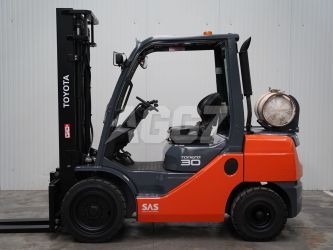 Toyota 02-8FGF30 LPG Forklift 2018 |
2018 | Belgium | $15,850.00 | View |
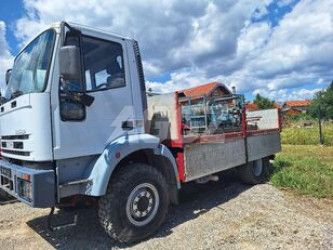 1997 IVECO 95E21 WINCH flatbed truck - 625 HP - Croatia |
1997 | Croatia | $15,500.00 | View |
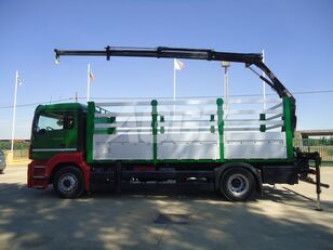 2010 MAN TGM 18 290 Flatbed Truck with Hiab 066 Crane - 331 HP - Spain |
2010 | Spain | — | View |
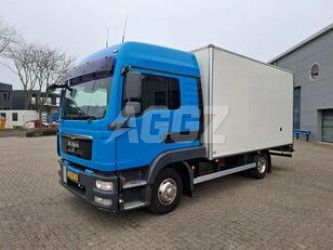 2009 MAN TGL8.220 / NL TRUCK / TUV:20-10-2026 / ONLY:474226 KM / CLEAN TR box truck - 220 HP - Netherlands |
2009 | Netherlands | $11,500.00 | View |
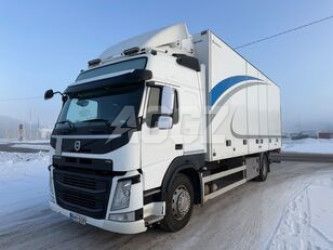 2014 Volvo FM330 4x2 E6 Carrier-cooler 7.7m box refrigerated truck - 330 HP - Finland |
2014 | Finland | $18,900.00 | View |
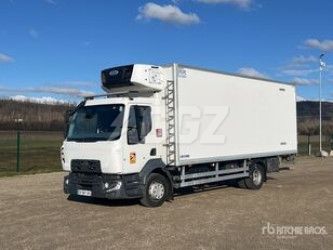 2018 Renault D12 refrigerated truck - France |
2018 | France | — | View |
Selling similar equipment?
List your machinery on AGGZ and reach buyers searching for Trucks, trucks, spare parts and industrial equipment.
Posted in:
Automotive Parts
Related posts
-
 Unleash the Power: A Complete Guide to Essential Engine Parts
A comprehensive, expert-level guide that explains how car engines work by breaking down all essential components—from...Read more
-
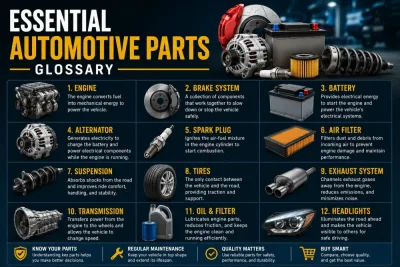 Essential Automotive Parts Glossary
For anyone diving into the world of automotive parts, understanding each component’s function is crucial. Here’s a...Read more
-
 Transmission & Drivetrain Glossary
Here is an essential guide to key components in the transmission and drivetrain systems, providing a clear...Read more
-
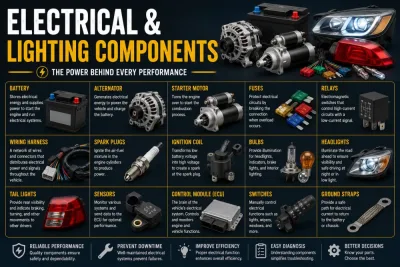 Electrical & Lighting Components
In automotive systems, electrical and lighting components are essential for visibility, safety, and functionality....Read more
-
 Suspension & Steering Glossary
The Suspension & Steering system ensures a smooth, stable ride by absorbing shocks and allowing control over the...Read more
Leave a comment
Comments
I m not to crash I m asking your grunts that it really allowed me pieces from
By: Luchiana Iagulli On 11/19/2024I m not to crash I m asking your grunts that it really allowed me pieces from
Replied by: Editorial Staff On 11/30/2024