
A buyer's guide to used road rollers and compactors listed in Poland: what is available, current prices, what to...
Latest posts
-
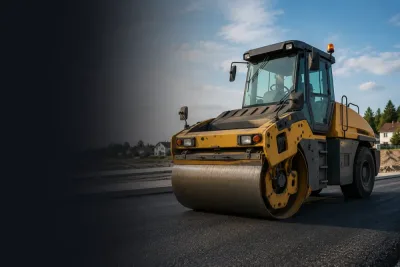 Used Road Rollers & Compactors in Poland: 2026 Prices & Buyer's GuideRead more
 -
 How to Import Used Construction Machinery from Abroad: 2026 Buyer's GuideRead more
A practical guide to importing used heavy equipment from abroad — sources, shipping options, customs, inspection, and...
-
 Caterpillar for Sale: Prices, Specs & Used Market Guide 2026Read more
A buyer's guide to used Caterpillar machines — the CAT 320-series excavators and road equipment, current price...
-
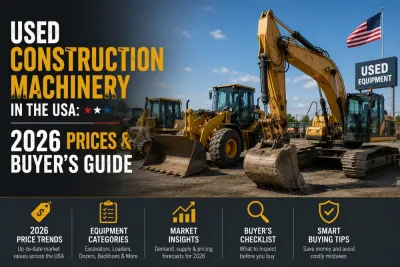 Used Construction Machinery in the USA: 2026 Prices & Buyer's GuideRead more
A buyer's guide to used road construction and paving machinery from the USA — current price ranges, an inspection...
-
 Used Road Rollers & Compactors from China: 2026 Prices & Buyer's GuideRead more
A buyer's guide to recent, low-hour used road rollers and compactors sourced from China — what is available, current...
-
 Used Asphalt & Paving Equipment in the USA: 2026 Prices & Buyer's GuideRead more
A practical buyer's guide to used asphalt and paving equipment sourced from the USA — what is available, current...
-
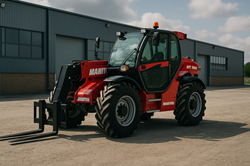 Manitou MT 1840 Telehandler 2026: Current Prices, Specs, and Buyer’s GuideRead more
The Manitou MT 1840 has established itself as one of the most versatile and trusted telehandlers in the global...
-
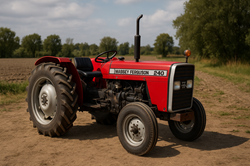 The Complete Guide to Massey Ferguson 240: Price, Specifications, and Global LegacyRead more
Massey Ferguson 240 sits in that sweet spot between light chores and real farm work. It’s part of the MF 200 series,...
-
 Ford Transit Box Truck for Sale: 2026 Buyer’s Guide for Small Business FleetsRead more
The Ford Transit box truck has long been a cornerstone of small business logistics, and in 2026 its position remains...
-
 The Ultimate Guide to Buying Trucks & Excavators: Prices, Deals, and Insights for Contractors in the USA, UK, Canada, and AustraliaRead more
For contractors, fleet managers, farmers, and construction companies, investing in the right trucks and excavators...
Blog categories
- Automotive Parts (21) click
- Heavy Machinery & Equipment Parts (6)
- OEM vs. Aftermarket Parts (1)
- Maintenance & Repair Tips (0)
- Parts Compatibility & Cross-Referencing (0)
- Sustainability & Recycling (1)
- Industry News & Trends (2)
- Buyer & Seller Guides (60)
- Performance Upgrades & Modifications (0)
- Product Reviews & Comparisons (1)
Search in blog

Buying a Car in Greece: 2026 Price Trends, Local Market Insights & EU Export Guide
In 2026, the Greek automotive market continues to offer a mix of affordability, accessibility, and legal transparency that attracts a wide range of buyers from local residents and expats to EU car traders and short-term foreign visitors. As new vehicle prices across the EU remain volatile due to inflation and emissions regulations, Greece has retained a relatively steady second-hand car market, with strong demand in the budget and mid-range segments. The country's used car inventory is largely composed of well-maintained, lower-mileage vehicles imported from central Europe, especially Germany and the Netherlands, many of which are resold at prices slightly below the Western European average. This makes Greece a favorable spot for purchasing reliable vehicles whether for domestic use or for legal export within the EU or beyond.
The process of buying a car in Greece begins with identifying the right source. Licensed dealerships in Athens, Thessaloniki, and Patras offer the advantage of warranty-backed purchases, registration support, and often, English-speaking staff. These dealers typically source their cars from leasing returns or trade-ins and maintain a more transparent service history. Private sellers can also be an option, especially for buyers looking for better deals in rural areas or islands, though transactions here require more due diligence. Online platforms such as Car.gr remain the most popular starting point for any search, offering thousands of listings with filters for location, mileage, year, fuel type, and more. Many listings include the car’s license plate so buyers can verify ownership and roadworthiness through government databases.
In terms of vehicle availability, the Greek market is dominated by European makes, particularly Renault, Peugeot, Opel, and Volkswagen. Japanese models like Toyota and Nissan also hold a significant presence due to their reputation for fuel economy and reliability. Prices for small city hatchbacks and compact crossovers remain competitive compared to the rest of the EU, particularly when sourced directly from Greek owners. However, due to the higher cost of fuel and road tax on larger-displacement engines, SUVs and performance cars are often undervalued in Greece, making them appealing options for foreign buyers intending to export.
When it comes to registration, the process for locals and foreign residents alike is relatively straightforward but bureaucratic. Once a sale is agreed upon, a visit to a local KEP (Citizen Service Center) is required to handle ownership transfer and license plate issuance. The buyer must present proof of identity, residence (or legal stay), a tax identification number (AFM), and valid insurance. Expats who possess a valid EU driving license and have residency status can register a vehicle in their name with no special restrictions. Non-residents, however, must work through intermediaries or registered companies if they intend to register a vehicle locally.
Exporting a vehicle from Greece to another EU country is legally permitted and well-supported by the Greek licensing framework. Buyers intending to export should ensure that the vehicle has a clear title, valid EU conformity documents, and up-to-date inspection certificates. Temporary export plates (provisional tags) can be issued for transit purposes. Since Greece is within the European Union, customs clearance is generally not required for vehicles moving between EU member states, although local taxes and registration fees will still apply in the destination country. For exports to non-EU countries like the UK post-Brexit, or to the Middle East or North Africa, additional documentation such as customs declaration and proof of VAT payment or exemption will be necessary.
For short-term residents, international drivers, and tourists, Greece allows the operation of foreign-registered vehicles for a limited time without registration, provided insurance and inspection documentation are valid. However, if the vehicle remains in Greece for more than six months, local registration is legally required. Driving with a foreign license is permitted for most visitors, especially from EU/EEA countries and nations with bilateral agreements, though long-term residents are expected to convert their license within 185 days of residency.
Frequently Asked Questions (FAQs)
Are cars cheaper in Greece compared to Germany or France?
In general, used cars in Greece—particularly older models with higher fuel consumption—tend to be more affordable than in Germany or France. This is due to local taxation policies and buyer preferences for smaller, economical cars. However, new vehicle prices in Greece are often higher due to VAT and registration costs.
Can non-residents buy and register a car in Greece?
Non-residents can purchase a vehicle but may not be able to register it in their name unless they hold a local address and tax number (AFM). Many foreign buyers instead work with a Greek intermediary or choose to export the vehicle directly under temporary transit plates.
What documents are required for buying a used car in Greece?
Buyers need to present a valid passport or ID, Greek tax number (AFM), proof of insurance, and often proof of residence or legal stay. The seller should provide the vehicle’s registration, technical inspection certificate (KTEO), and proof of road tax payment.
Are there additional taxes or registration fees?
Yes. A registration tax applies based on CO₂ emissions, engine displacement, and vehicle age. New owners also pay an annual circulation tax (road tax), which is mandatory for keeping the vehicle street-legal. Imported vehicles may incur extra duties if not previously taxed in the EU.
Can I drive with a foreign license in Greece?
Yes, EU citizens and visitors from countries with bilateral agreements can drive with their foreign license. Residents staying longer than six months may be required to convert their license to a Greek one, especially for professional driving or vehicles over 3.5 tons.
How do I export a car from Greece to another EU country?
You will need the vehicle’s registration documents, proof of ownership, EU conformity certificate, a technical inspection (KTEO), and export plates. No customs duties apply within the EU, but you must complete registration in the destination country within a set period.
What is the most common platform for car listings in Greece?
Car.gr is the leading online marketplace for used and new vehicles in Greece. It provides detailed listings, seller contact info, and often includes verified technical inspection status.
Is insurance expensive in Greece?
Compared to Western Europe, car insurance in Greece is relatively affordable. Third-party coverage is mandatory, while comprehensive coverage is optional. Premiums vary based on vehicle type, age, driver’s history, and location.
Can I get VAT back if I export the car?
In certain cases, yes. If the vehicle is new and purchased from a VAT-registered business for export outside the EU, a VAT refund may apply. However, for most used cars, VAT is already included and not refundable.
How long does it take to complete a car purchase and registration?
With all documents in place, the ownership transfer can be completed in 1–2 business days via the KEP office. Registration plates are typically issued the same day or within 48 hours.
Do cars in Greece come with a warranty?
New cars are sold with factory warranties, typically ranging from 2 to 5 years. Used cars from licensed dealers may include a short-term mechanical warranty. Private sales rarely offer any guarantees.
What are the most popular car brands in Greece?
Peugeot, Toyota, Opel, Renault, and Hyundai are widely available and popular for their efficiency and maintenance cost. Many of these models are imported from other EU countries.
Can I import a left-hand drive car from Greece to the UK?
You can, but LHD vehicles are subject to special inspection and registration requirements in the UK. Importing from Greece to right-hand drive markets is rare unless for collector or fleet use.
Related equipment for sale on AGGZ
| Machine | Year | Price | |
|---|---|---|---|
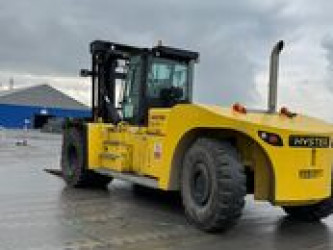 Hyster h32 container handler 2024
|
2024 | $375,400.00 | View |
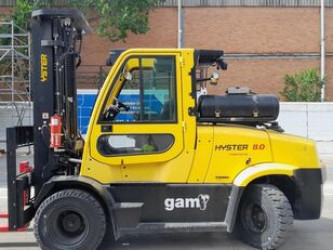 Hyster H8.0FT-9 gas forklift 2021
|
2021 | $92,970.00 | View |
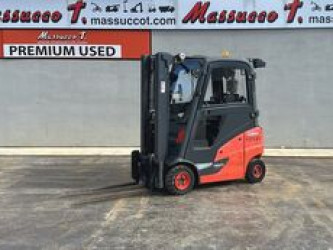 Linde H16D-01 diesel forklift 2017
|
2017 | $23,240.00 | View |
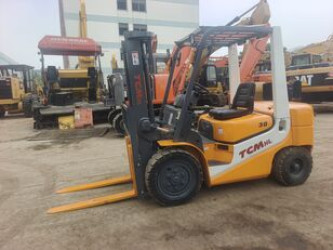 TCM FD30 diesel forklift 2018
|
2018 | $7,000.00 | View |
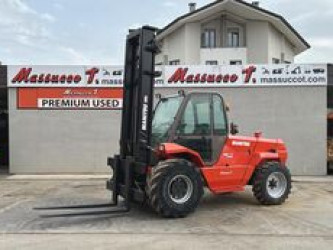 Manitou MC70 T rough terrain forklift 1998
|
1998 | $44,100.00 | View |
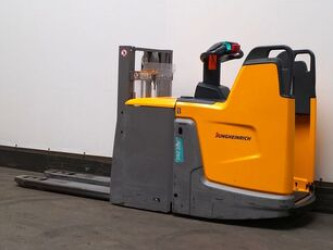 Jungheinrich ERD220 pallet stacker 2020
|
2020 | — | View |
Frequently asked questions
How much does used Pallet Jacks & Stackers cost on AGGZ?
Prices depend on the year, operating hours and condition of each machine. Compare the current listings above to see real prices from sellers, then contact the seller directly.
What should I check when buying used Pallet Jacks & Stackers?
Check the year of manufacture, operating hours or mileage, service and maintenance history, and overall condition. Arrange an inspection or request detailed photos before any payment.
Can I buy and export used Pallet Jacks & Stackers from Turkey and abroad?
Yes. Many sellers on AGGZ ship internationally. Confirm shipping options, export documentation and payment terms directly with the seller before you buy.
Selling similar equipment?
List your machinery on AGGZ and reach buyers searching for Pallet Jacks & Stackers, trucks, spare parts and industrial equipment.
Posted in:
Buyer & Seller Guides
Related posts
-
Used Road Rollers & Compactors in Poland: 2026 Prices & Buyer's Guide
A buyer's guide to used road rollers and compactors listed in Poland: what is available, current prices, what to...Read more
-
How to Import Used Construction Machinery from Abroad: 2026 Buyer's Guide
A practical guide to importing used heavy equipment from abroad — sources, shipping options, customs, inspection, and...Read more
-
Caterpillar for Sale: Prices, Specs & Used Market Guide 2026
A buyer's guide to used Caterpillar machines — the CAT 320-series excavators and road equipment, current price...Read more
-
Used Construction Machinery in the USA: 2026 Prices & Buyer's Guide
A buyer's guide to used road construction and paving machinery from the USA — current price ranges, an inspection...Read more
-
Used Road Rollers & Compactors from China: 2026 Prices & Buyer's Guide
A buyer's guide to recent, low-hour used road rollers and compactors sourced from China — what is available, current...Read more
Leave a comment