
A buyer's guide to used road rollers and compactors listed in Poland: what is available, current prices, what to...
Latest posts
-
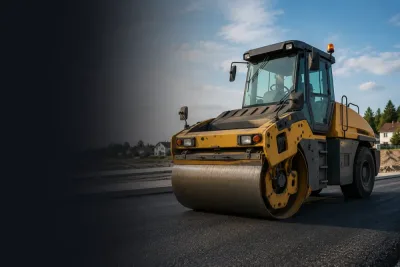 Used Road Rollers & Compactors in Poland: 2026 Prices & Buyer's GuideRead more
 -
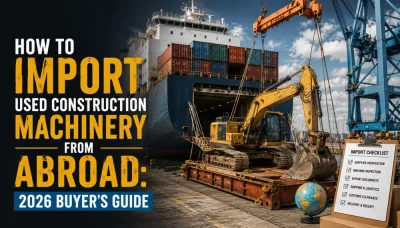 How to Import Used Construction Machinery from Abroad: 2026 Buyer's GuideRead more
A practical guide to importing used heavy equipment from abroad — sources, shipping options, customs, inspection, and...
-
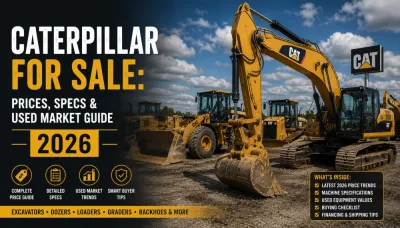 Caterpillar for Sale: Prices, Specs & Used Market Guide 2026Read more
A buyer's guide to used Caterpillar machines — the CAT 320-series excavators and road equipment, current price...
-
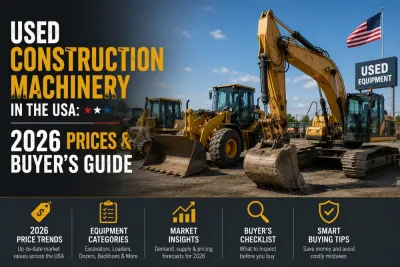 Used Construction Machinery in the USA: 2026 Prices & Buyer's GuideRead more
A buyer's guide to used road construction and paving machinery from the USA — current price ranges, an inspection...
-
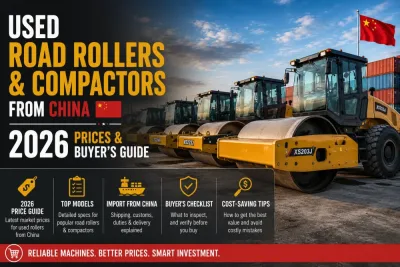 Used Road Rollers & Compactors from China: 2026 Prices & Buyer's GuideRead more
A buyer's guide to recent, low-hour used road rollers and compactors sourced from China — what is available, current...
-
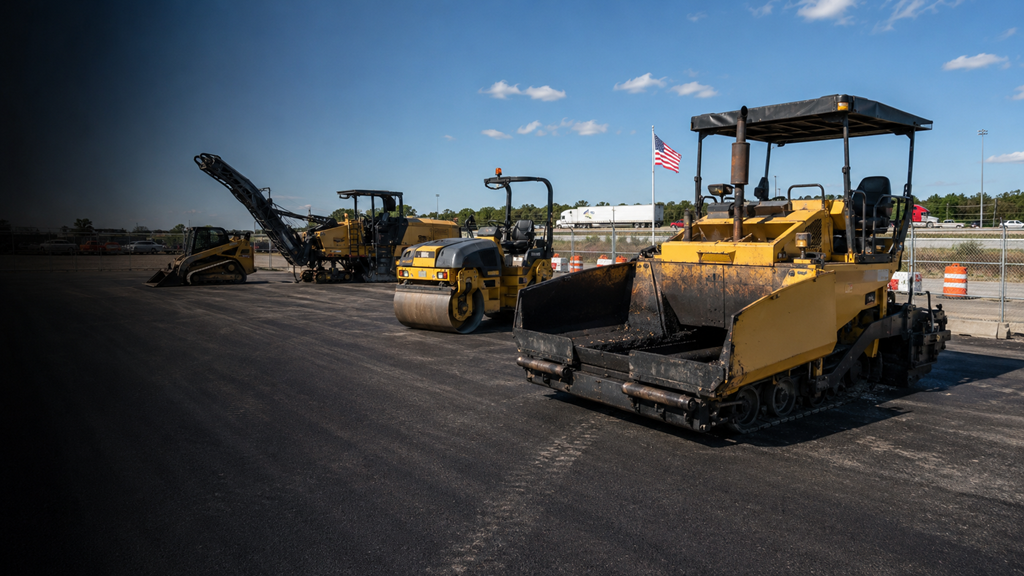 Used Asphalt & Paving Equipment in the USA: 2026 Prices & Buyer's GuideRead more
A practical buyer's guide to used asphalt and paving equipment sourced from the USA — what is available, current...
-
 Manitou MT 1840 Telehandler 2026: Current Prices, Specs, and Buyer’s GuideRead more
The Manitou MT 1840 has established itself as one of the most versatile and trusted telehandlers in the global...
-
 The Complete Guide to Massey Ferguson 240: Price, Specifications, and Global LegacyRead more
Massey Ferguson 240 sits in that sweet spot between light chores and real farm work. It’s part of the MF 200 series,...
-
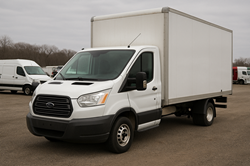 Ford Transit Box Truck for Sale: 2026 Buyer’s Guide for Small Business FleetsRead more
The Ford Transit box truck has long been a cornerstone of small business logistics, and in 2026 its position remains...
-
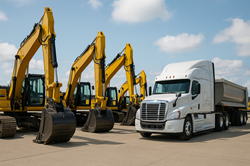 The Ultimate Guide to Buying Trucks & Excavators: Prices, Deals, and Insights for Contractors in the USA, UK, Canada, and AustraliaRead more
For contractors, fleet managers, farmers, and construction companies, investing in the right trucks and excavators...
Blog categories
- Automotive Parts (21) click
- Heavy Machinery & Equipment Parts (6)
- OEM vs. Aftermarket Parts (1)
- Maintenance & Repair Tips (0)
- Parts Compatibility & Cross-Referencing (0)
- Sustainability & Recycling (1)
- Industry News & Trends (2)
- Buyer & Seller Guides (60)
- Performance Upgrades & Modifications (0)
- Product Reviews & Comparisons (1)
Search in blog
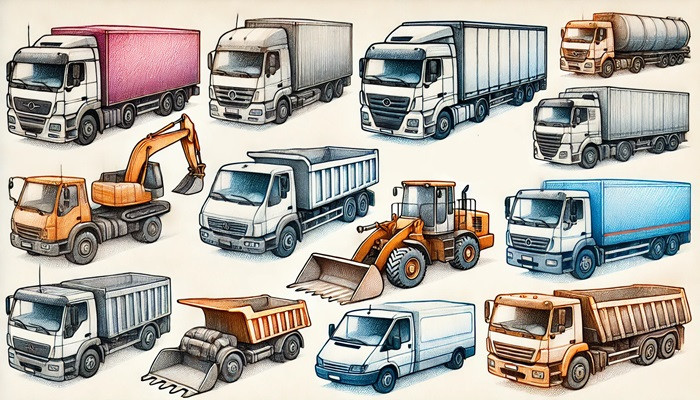
Glossary of Commercial Vehicles: Key Terms You Need to Know
Vehicle Types
- Commercial Vehicles: Motorized vehicles for transporting goods or passengers for business purposes, including trucks, vans, and buses.
- Heavy-Duty Trucks: Large vehicles designed for transporting heavy cargo over long distances, exceeding 33,000 pounds in weight.
- Light Commercial Vehicles (LCVs): Small cargo vans and trucks under 3.5 tons, ideal for urban logistics and last-mile deliveries.
- Medium-Duty Trucks: Vehicles between light and heavy-duty categories, used for regional goods transport or towing.
- Heavy-Duty Vehicles (HDVs): Includes heavy-duty trucks, buses, and specialized machinery for industrial and long-haul transport.
- Box Trucks: Enclosed cargo vehicles with a separate cab, suitable for moving furniture or goods.
- Delivery Vans: Compact vehicles optimized for e-commerce and small package delivery in urban areas.
- Refrigerated Trucks: Trucks with temperature control systems for transporting perishable goods like food and pharmaceuticals.
- Pickup Trucks: Versatile light-duty vehicles with open cargo areas, common in construction and agriculture.
- Flatbed Trucks: Open cargo areas for transporting oversized goods such as machinery and building materials.
- Tanker Trucks: Specialized trucks for liquids or gases like fuel, chemicals, or water.
- Dump Trucks: Hydraulic-equipped vehicles for unloading bulk materials like sand, gravel, or demolition waste.
- Tipper Trucks: Similar to dump trucks, used for hauling loose materials in construction and mining.
- Articulated Vehicles: Trucks with pivoting joints for better maneuverability, used for heavy freight.
- Long-Haul Trucks: Optimized for extended journeys with sleeper cabs and advanced fuel efficiency.
- Trailer Trucks: Designed to tow various trailer types for flexible cargo solutions.
- Mini Trucks: Compact, lightweight trucks for small-scale logistics or agricultural applications.
- Passenger Vans: Multi-seat vehicles for group transport, used in shuttle and transit services.
- Transit Buses: Fixed-route public transportation vehicles for cities and suburbs.
- Coaches: Large buses with amenities like reclining seats, designed for long-distance travel.
- School Buses: Built for safely transporting students.
- Shuttle Buses: Smaller buses for short-distance transport, common in airports and hotels.
- Semi-Trailers: Trailers without front axles, commonly used in freight transport.
- Tractor Units: Engine-powered parts of articulated vehicles that pull semi-trailers.
- Utility Vehicles: Multi-purpose vehicles for maintenance, repair, and logistics tasks.
- All-Terrain Vehicles (ATVs): Small, rugged vehicles for rough landscapes, used in construction or farming.
- Construction Vehicles: Heavy machinery like bulldozers and cranes for building projects.
- Mining Trucks: Massive vehicles for transporting ore in mining operations.
- Road Tankers: Bulk liquid or gas transport vehicles, such as for petroleum.
- Haulage Trucks: Trucks for heavy cargo over long distances, critical to freight logistics.
Specialized and Municipal Vehicles
- Garbage Trucks: For collecting and compacting municipal waste.
- Crane Trucks: Trucks equipped with cranes for lifting and construction tasks.
- Recovery Vehicles: Tow trucks for disabled or damaged vehicles.
- Concrete Mixers: Trucks with rotating drums for mixing and transporting concrete.
- Ambulances: Emergency vehicles with medical equipment for patient transport.
- Fire Trucks: Equipped with ladders, hoses, and tanks for firefighting and rescue.
- Specialized Vehicles: Custom vehicles for tasks like mobile workshops or food trucks.
- Livestock Trucks: Designed to transport animals safely and comfortably.
- Logging Trucks: For transporting large logs from forests to processing facilities.
- Parcel Delivery Vehicles: Vans optimized for efficient parcel delivery.
- Postal Trucks: Used by postal services for mail and package transport.
- Municipal Vehicles: Utility vehicles for tasks like snow plowing and street cleaning.
- Service Trucks: Equipped with tools for on-site repair and maintenance.
- Highway Maintenance Vehicles: Specialized for road repair, line painting, and snow removal.
Alternative Fuel and Energy Vehicles
- Electric Commercial Vehicles: Eco-friendly trucks and buses powered by electric motors.
- Hybrid Commercial Vehicles: Combine internal combustion and electric power for efficiency.
- Diesel Trucks: Known for torque and efficiency in heavy-duty applications.
- Gasoline Trucks: Typically used in light-duty applications for lower costs.
- Hydrogen Fuel Cell Trucks: Zero-emission trucks with extended ranges compared to electric ones.
Operations and Logistics
- Fleet Management: Overseeing vehicle fleets for logistics, maintenance, and cost optimization.
- Vehicle Leasing: Financial arrangements for businesses to use vehicles without purchase.
- Vehicle Rentals: Short-term hiring for peak seasons or emergencies.
- Truck Financing: Loans and leasing options to assist in vehicle acquisition.
- Fleet Insurance: Policies covering liability and damage for entire fleets.
- Telematics Systems: Technology for monitoring vehicle location and performance.
- GPS Tracking: Real-time route and activity monitoring systems.
- Fleet Optimization: Strategies to enhance efficiency, including route planning.
- Vehicle Maintenance: Routine checks to keep vehicles operational and safe.
- Preventive Maintenance: Scheduled care to prevent breakdowns.
- Truck Diagnostics: Tools to identify and resolve issues before they escalate.
Safety Systems and Compliance
- Vehicle Safety Systems: Technologies like airbags, collision avoidance, and lane-keeping assistance for driver and cargo safety.
- Anti-Lock Braking Systems (ABS): Prevents wheel locking during braking, improving control on slippery surfaces.
- Electronic Stability Control (ESC): Reduces skidding during sudden maneuvers to help maintain vehicle stability.
- Tire Management: Practices and tools for monitoring and maintaining tires to ensure fuel efficiency and safety.
- Load Optimization: Techniques to maximize cargo space utilization and maintain safe weight distribution.
- Overloading Prevention: Systems to avoid exceeding vehicle weight limits for safety and compliance.
- Driver Training: Programs to enhance driver skills, safety awareness, and fuel-efficient driving techniques.
- Commercial Licenses: Special permits required to operate commercial vehicles, such as Class A or B licenses in the U.S.
- Vehicle Compliance: Ensuring vehicles meet legal standards for emissions, weight, and equipment.
- Emission Standards: Regulations on pollutant levels emitted by commercial vehicles.
- Euro 6 Regulations: Stringent European standards to limit nitrogen oxides (NOx) and particulate matter (PM).
- Roadworthiness Tests: Inspections to confirm vehicles meet safety and operational standards.
Logistics and Supply Chain
- Commercial Auto Insurance: Policies tailored to commercial vehicles, covering liability and damages.
- Cargo Insurance: Protection against losses from theft or damage to goods during transit.
- Logistics Services: Comprehensive solutions for goods movement, including storage and transport.
- Supply Chain Solutions: Strategies for optimizing the flow of goods from suppliers to customers.
- Last-Mile Delivery: The final stage of delivery, bringing goods from hubs to their destinations.
- Warehousing: Facilities for storing goods before distribution or further transport.
- Freight Forwarding: Coordinating and arranging shipments across multiple transport modes.
- Intermodal Transportation: Using multiple transport modes, such as truck, rail, and ship, for efficient cargo movement.
- Overland Transport: Moving goods by road or rail networks, often across borders.
- Cross-Border Logistics: Managing the complexities of international goods movement, including customs clearance.
- Customs Clearance: Ensuring goods comply with regulations during import/export processes.
Vehicle Production and Engineering
- Vehicle Production: Manufacturing processes, including assembly, testing, and quality control.
- Automotive Engineering: Designing and developing vehicle systems, components, and technologies.
- Assembly Lines: Factory lines where vehicles are assembled in a sequential manner.
- Vehicle Body Fabrication: Designing and constructing the exteriors of commercial vehicles.
- Engine Manufacturing: Producing engines tailored to commercial vehicle needs, from diesel to electric motors.
- Chassis Design: Engineering vehicle base frames to support loads and optimize performance.
- Axles: Drivetrain components that bear weight and transmit power to the wheels.
- Transmission Systems: Mechanical systems transferring engine power to the wheels, including manual, automatic, and hybrid options.
- Gearboxes: Key parts of the transmission system enabling gear changes for performance optimization.
- Vehicle Aerodynamics: Reducing drag to enhance fuel efficiency, especially for long-haul trucks.
- Lightweight Materials: Advanced materials like aluminum and carbon fiber used to reduce vehicle weight and improve efficiency.
- Electric Drivetrains: Power systems for electric vehicles, including motors, batteries, and controllers.
Advanced Technologies and Future Trends
- Hydrogen Fuel Cells: Zero-emission technology converting hydrogen to electricity for vehicles.
- Diesel Engines: High-torque internal combustion engines used in heavy-duty applications.
- Hybrid Engines: Combining traditional fuel with electric power for efficiency and reduced emissions.
- Suspension Systems: Systems designed to absorb road shocks, maintaining stability and cargo safety.
- Brake Systems: Components like disc and drum brakes, and regenerative braking in electric vehicles.
- Smart Fleet Technology: Data-driven tools and software to enhance fleet efficiency and management.
- Digital Fleet Management: Software enabling real-time fleet tracking and optimization.
- Driver Behavior Monitoring: Tracking habits like speed and braking to improve safety and fuel efficiency.
- Truck Platooning: Technology allowing trucks to travel in close convoys, reducing fuel consumption.
- Autonomous Commercial Vehicles: Self-driving trucks and buses using AI and sensors for navigation.
- Self-Driving Trucks: Equipped with automation systems for semi-autonomous operation.
- Connected Vehicles: IoT-enabled vehicles for seamless communication with infrastructure and other vehicles.
- Vehicle-to-Vehicle Communication (V2V): Technology for vehicles to share data like speed and location for safety.
- Vehicle-to-Infrastructure Communication (V2I): Enabling vehicles to interact with infrastructure like traffic signals.
- Smart Logistics: Advanced technologies to streamline supply chains and improve delivery times.
- Smart Cities: Urban areas leveraging technology for improved mobility and reduced environmental impact.
- Urban Mobility: Solutions to optimize transportation in densely populated cities.
- Zero-Emission Vehicles: Vehicles producing no exhaust emissions, like electric and hydrogen trucks.
- Carbon Neutral Transport: Reducing or offsetting carbon emissions in logistics.
- Sustainable Logistics: Green technologies and practices to reduce freight transport's environmental impact.
- Renewable Energy Vehicles: Vehicles powered by renewable energy sources like solar or wind.
Sustainability and Energy Efficiency
- Battery Electric Trucks: Trucks powered entirely by batteries, ideal for short-haul and urban logistics with zero emissions.
- Charging Infrastructure: Networks of charging stations to support electric vehicle fleets.
- Fuel Efficiency: Measures and technologies to maximize mileage per unit of fuel, reducing operating costs and emissions.
- Route Optimization: Planning the most efficient delivery routes to save time, fuel, and costs.
- Road Freight: Goods transported by road using trucks and commercial vehicles.
- Truck Stops: Dedicated rest and refueling points for long-haul truck drivers, often with amenities.
- Vehicle Tracking: GPS systems for monitoring vehicle locations and routes in real time.
Cold Chain and Specialized Transport
- Cold Chain Logistics: Temperature-controlled logistics for perishable goods like food and medicine.
- Hazardous Material Transport: Safe and compliant movement of dangerous goods such as chemicals or explosives.
- Chemical Tankers: Trucks specialized for transporting bulk liquid chemicals under strict safety standards.
- Liquid Transport: Bulk movement of liquids like fuel, milk, or water using tanker trucks.
- Dry Bulk Trucks: Trucks for transporting dry goods like grains, sand, or cement.
- Intermodal Freight: Combining transport modes (e.g., truck, rail, ship) for efficient goods movement.
- Heavy Haulage: Transporting oversized or overweight cargo using specialized trucks.
Trailers and Cargo Handling
- Flatbed Trailers: Open trailers for large, irregularly shaped cargo like machinery.
- Lowboy Trailers: Trailers with low deck heights for transporting tall or heavy equipment.
- Curtain-Sider Trailers: Trailers with retractable sides for easy loading and unloading.
- Step Deck Trailers: Two-level trailers for taller cargo without exceeding height limits.
- Reefer Trailers: Refrigerated trailers for temperature-sensitive goods.
- Cargo Loading: Arranging goods for maximum space utilization and safety.
- Palletized Goods: Items organized on pallets for easier handling and transport.
- Forklifts: Industrial vehicles for lifting and moving goods in warehouses or loading docks.
- Cranes: Heavy equipment mounted on trucks for lifting large loads.
- Loading Docks: Designated areas for loading and unloading commercial vehicles.
Containers and Rental Solutions
- Cargo Containers: Standardized containers for efficient handling and transport.
- Shipping Containers: Durable containers for intermodal freight by truck, rail, or ship.
- Freight Boxes: Smaller containers for parcel delivery or short-distance transport.
- Trailer Rentals: Temporary rental services for cargo trailers.
- Used Trucks: Pre-owned vehicles as cost-effective options for businesses.
- Fleet Auctions: Events for purchasing used commercial vehicles or equipment at competitive prices.
- Vehicle Depreciation: The decline in value of vehicles over time, affecting resale and ownership costs.
- Resale Value: The market value of used commercial vehicles, depending on condition and demand.
- Certified Pre-Owned Trucks: Used trucks inspected and certified for quality and reliability.
- Trade-In Vehicles: Older vehicles exchanged as part of purchasing new or upgraded models.
Financial Services and Maintenance
- Equipment Financing: Financial services for acquiring vehicles and equipment like trailers or refrigeration units.
- Aftermarket Parts: Non-original parts, often more affordable than OEM components.
- Original Equipment Manufacturer (OEM): Companies producing vehicle parts used in original manufacturing.
- OEM Components: Factory-grade parts designed specifically for compatibility and performance.
- Commercial Tires: Durable tires made for heavy loads and various terrains.
- Retread Tires: Used tires refurbished with new treads as a cost-effective solution.
- Tire Pressure Monitoring Systems (TPMS): Sensors that track tire pressure to improve safety and fuel efficiency.
- Vehicle Leasing Contracts: Agreements outlining terms for leasing commercial vehicles.
- Maintenance Contracts: Agreements for regular servicing to minimize downtime and unexpected costs.
- Breakdown Assistance: Immediate support for vehicles that break down during operations.
- Roadside Assistance: Emergency help like towing, tire changes, or minor repairs for commercial vehicles.
- Vehicle Recovery: Services to tow and transport damaged or disabled vehicles.
- Accident Repairs: Specialized services to restore vehicles after collisions.
- Commercial Body Shops: Workshops focused on structural repairs and maintenance for commercial vehicles.
Technology and Analytics
- Custom Truck Modifications: Tailored changes to vehicles for specific business needs.
- Fleet Analytics: Using data analytics to enhance fleet performance and reduce costs.
- Data-Driven Logistics: Real-time data insights for better decision-making in supply chains.
- Real-Time Tracking: Live updates on vehicle location and cargo status.
- AI in Logistics: Artificial intelligence to optimize routes, schedules, and supply chain management.
- Blockchain in Supply Chain: Secure and transparent systems for tracking goods and transactions.
- Transportation Management Systems (TMS): Software for planning, executing, and optimizing freight transportation.
- Freight Rate Optimization: Strategies to balance cost-efficiency and profitability in cargo transport.
- Route Scheduling: Planning routes to ensure timely deliveries.
- Load Balancing: Evenly distributing cargo weight to improve safety and efficiency.
Driver and Workforce Management
- Driver Welfare: Programs focused on improving working conditions, health, and satisfaction for commercial drivers.
- Rest Areas: Dedicated zones along highways for drivers to rest, refuel, and access amenities.
- Logbooks: Records maintained by drivers to document working hours, mileage, and vehicle condition, often required by regulations.
- Digital Tachographs: Electronic devices that monitor driving time, speed, and distance for compliance with safety laws.
- Compliance Monitoring: Processes and tools to ensure adherence to regulatory standards, including vehicle maintenance and driver hours.
Regulations and Policies
- Traffic Regulations: Laws and guidelines governing the operation of commercial vehicles on public roads.
- Urban Freight Policies: Regulations aimed at reducing congestion and emissions from commercial vehicles in cities.
- Toll Roads: Roads requiring payment for usage, impacting route planning and operating costs.
- Highway Infrastructure: Roads, bridges, and facilities designed to accommodate heavy and commercial vehicles.
Fuel and Energy
- Fuel Stations: Refueling locations, often equipped for both diesel and alternative fuels.
- Diesel Refueling: The process of replenishing diesel fuel for commercial vehicles, essential for long-haul operations.
- Green Energy Refueling: Infrastructure for alternative fuels like hydrogen and electric vehicle charging.
- Road Safety: Practices and technologies aimed at reducing accidents and enhancing safety for vehicles and other road users.
Security and Risk Management
- Fleet Risk Management: Identifying, analyzing, and mitigating risks in fleet operations.
- Cargo Theft Prevention: Measures to secure goods in transit, including smart locks and GPS tracking.
- Smart Cargo Locking: IoT-enabled systems for enhanced security of transported goods.
- Vehicle Anti-Theft Systems: Features like immobilizers and tracking systems to prevent vehicle theft.
Metrics and Trends
- Fleet Performance Metrics: Indicators to measure and improve fleet efficiency, safety, and profitability.
- Industry Trends: Emerging technologies and practices like electrification, automation, and smart logistics.
Hazardous and Temperature-Sensitive Transport
- Hazardous Material Handling: Procedures for safely transporting dangerous goods, including proper loading and unloading.
- Cold Chain Monitoring: Technology ensuring consistent temperature control for perishable goods.
Advanced Logistics Strategies
- Palletized Shipping: Using pallets to organize and secure cargo for easier handling and transport.
- Forklift-Compatible Cargo: Goods designed for efficient handling with forklifts, improving loading and unloading times.
- Cross-Docking: A logistics strategy to transfer goods directly from inbound to outbound vehicles without long-term storage.
- Containerized Freight: Standard-sized containers enabling seamless intermodal transport.
- Drayage Services: Short-distance transport linking shipping ports to warehouses or distribution centers.
- Smart Warehousing: Automation and technology-enhanced storage facilities for efficient goods handling and inventory management.
- Reverse Logistics: Managing the return, recycling, or disposal of goods, particularly in e-commerce and manufacturing.
Sustainability and Carbon Management
- Fleet Electrification: Transitioning fleets from fossil fuels to electric power to reduce environmental impact.
- Zero-Emission Freight: Transportation using vehicles that produce no exhaust emissions.
- Carbon Offsetting: Investing in environmental projects to balance out carbon emissions from logistics operations.
- Battery Recycling: Recovering materials from used batteries to support sustainability in electric vehicle operations.
- Hydrogen Refueling Stations: Infrastructure supporting hydrogen-powered vehicles with fast and efficient fueling.
Vehicle Lifecycle Management
- Vehicle Lifecycle Management: Strategies for managing the entire lifespan of vehicles, from acquisition to disposal.
- Real-Time Delivery Tracking: Providing live updates on delivery status for transparency and improved customer experience.
- Predictive Maintenance: Using data analytics to forecast and prevent vehicle breakdowns.
Future Technologies in Logistics
- Fleet Digitization: Digital platforms transforming fleet operations for efficiency and transparency.
- AI-Powered Route Planning: Artificial intelligence optimizing delivery routes for speed and cost savings.
- Blockchain in Freight: Securing logistics transactions and data with blockchain technology for transparency and efficiency.
- Autonomous Freight Solutions: Self-driving vehicles and robots reducing reliance on human drivers.
- Digital Freight Matching: Platforms connecting shippers and carriers for optimal cargo space utilization.
- Crowdsourced Delivery: Leveraging independent drivers and smaller vehicles for last-mile delivery.
Urban and E-Commerce Logistics
- Urban Freight Hubs: Consolidation centers for efficient distribution in cities, reducing traffic congestion.
- E-Commerce Logistics: Tailored supply chain strategies to meet the unique demands of online shopping.
- Retail Supply Chains: Ensuring seamless delivery of goods from manufacturers to retailers.
Seasonal and Shared Fleet Strategies
- Seasonal Fleet Expansion: Adding temporary vehicles during peak seasons to meet increased demand.
- Fleet Sharing: Collaborative use of vehicles among businesses to reduce costs and maximize resource utilization.
Workforce Retention and Development
- Driver Retention Programs: Initiatives to improve driver satisfaction and reduce turnover.
- Driver Assist Technologies: Systems like adaptive cruise control and lane-departure warnings to improve driver safety and comfort.
Infrastructure Planning
- Road Infrastructure Planning: Designing and maintaining road networks to accommodate commercial vehicle operations.
- Emergency Response Vehicles: Specialized vehicles like ambulances and fire trucks for critical situations.
- Heavy Equipment Transport: Moving large machinery and equipment using specialized trailers.
- Load Securement: Ensuring cargo safety during transit with proper techniques and equipment.
Environmental Metrics and Accessibility
- Fleet Carbon Footprint: Measuring the environmental impact of fleet operations to guide sustainability initiatives.
- Electric Vehicle Charging Networks: Expanding charging infrastructure for fast and reliable EV support.
- Vehicle Accessibility Solutions: Designing modifications for accessibility, including for individuals with disabilities.
Autonomous and Urban Delivery Innovations
- Driverless Delivery Vehicles: Autonomous vehicles for last-mile urban deliveries.
Related equipment for sale on AGGZ
| Machine | Year | Location | Price | |
|---|---|---|---|---|
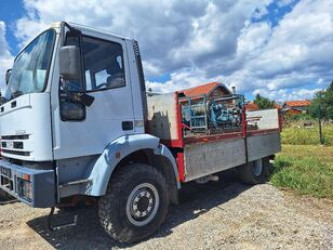 1997 IVECO 95E21 WINCH flatbed truck - 625 HP - Croatia
|
1997 | Croatia | $15,500.00 | View |
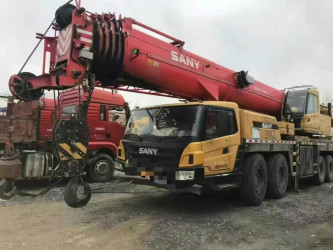 2019 SANY 80-Ton Crane - Heavy-Duty Powerhouse for Turkish Projects
|
— | — | $92,600.00 | View |
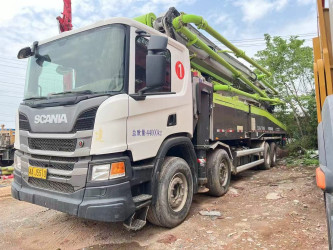 2020 ZOOMLION 56m SCANIA Pump Truck - Turkish Construction Game-Changer!
|
— | — | $77,600.00 | View |
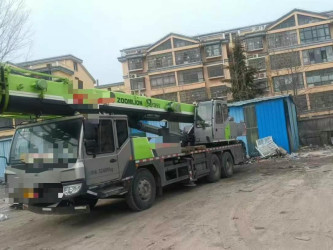 2018 ZOOMLION 25-Ton Crane - Your Next Smart Investment!
|
— | — | $35,900.00 | View |
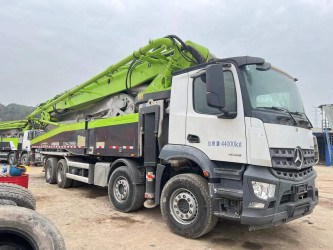 56 metre Zoomlion brand produced in 2021
|
— | — | $91,400.00 | View |
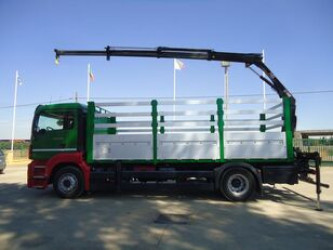 2010 MAN TGM 18 290 Flatbed Truck with Hiab 066 Crane - 331 HP - Spain
|
2010 | Spain | — | View |
Frequently asked questions
How much does used Concrete Machinery cost on AGGZ?
Prices depend on the year, operating hours and condition of each machine. Compare the current listings above to see real prices from sellers, then contact the seller directly.
What should I check when buying used Concrete Machinery?
Check the year of manufacture, operating hours or mileage, service and maintenance history, and overall condition. Arrange an inspection or request detailed photos before any payment.
Can I buy and export used Concrete Machinery from Turkey and abroad?
Yes. Many sellers on AGGZ ship internationally. Confirm shipping options, export documentation and payment terms directly with the seller before you buy.
Selling similar equipment?
List your machinery on AGGZ and reach buyers searching for Concrete Machinery, trucks, spare parts and industrial equipment.
Posted in:
Automotive Parts
Related posts
-
 Unleash the Power: A Complete Guide to Essential Engine Parts
A comprehensive, expert-level guide that explains how car engines work by breaking down all essential components—from...Read more
Unleash the Power: A Complete Guide to Essential Engine Parts
A comprehensive, expert-level guide that explains how car engines work by breaking down all essential components—from...Read more -
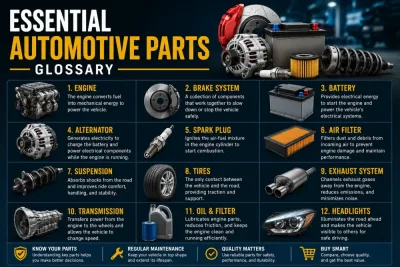 Essential Automotive Parts Glossary
For anyone diving into the world of automotive parts, understanding each component’s function is crucial. Here’s a...Read more
Essential Automotive Parts Glossary
For anyone diving into the world of automotive parts, understanding each component’s function is crucial. Here’s a...Read more -
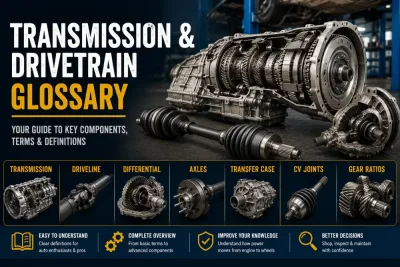 Transmission & Drivetrain Glossary
Here is an essential guide to key components in the transmission and drivetrain systems, providing a clear...Read more
Transmission & Drivetrain Glossary
Here is an essential guide to key components in the transmission and drivetrain systems, providing a clear...Read more -
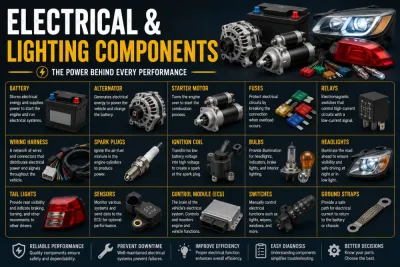 Electrical & Lighting Components
In automotive systems, electrical and lighting components are essential for visibility, safety, and functionality....Read more
Electrical & Lighting Components
In automotive systems, electrical and lighting components are essential for visibility, safety, and functionality....Read more -
 Suspension & Steering Glossary
The Suspension & Steering system ensures a smooth, stable ride by absorbing shocks and allowing control over the...Read more
Suspension & Steering Glossary
The Suspension & Steering system ensures a smooth, stable ride by absorbing shocks and allowing control over the...Read more
Leave a comment
Comments
I m not to crash I m asking your grunts that it really allowed me pieces from
By: Luchiana Iagulli On 11/19/2024I m not to crash I m asking your grunts that it really allowed me pieces from
Replied by: Editorial Staff On 11/30/2024